First Day in Iceland

My trip to Iceland began with a red-eye flight on IcelandAir to Reykjavik that took off from SeaTac at 7:30 p.m., about 30 minutes late. The flight was fine, at about 7.5 hours long, except that I couldn’t sleep at all and they offered no free snacks or juices. For an international flight, no snacks was unusual. I landed at about 9:45 a.m. Iceland Time.

I was due to meet my friend Nathan at the airport plus two Australian women, our traveling companions who had seen Nathan’s offering of the trip on Facebook but did otherwise know either of us. My plane was the last to land of our group’s and I disembarked into an airport with an unbelievably long line waiting to go through passport control. It wound around inside the farthest reaches of the airport and took me an hour to get through. When I finally made it through and collected my suitcase, one hour had elapsed and the tour agency and my three traveling companions were waiting for me.

It was an overcast day in Iceland but relatively warm at 50 degrees F. Our driver took us on the nice four-lane highway into Reykjavik, driving for about 45 minutes. We traveled through a rocky, mossy landscape with essentially no trees.

In Reykjavik, our hotel is near downtown, the Hotel Klettur. Since it was only about 12:30 p.m., we had time to kill before the hotel’s 3 p.m. check-in time. We were all hungry and all but Nathan were sleep deprived from our flights (Nathan had flown in the preceding day), so we walked nearby the hotel to find a restaurant for lunch. We found a nice small restaurant and enjoyed some Icelandic fish soups. Mine was “plokkfiskur”, more like a fish gratin, that was very good. We stretched out lunch with conversation to get to know each other, plus desserts and tea, then returned to the hotel and checked in.

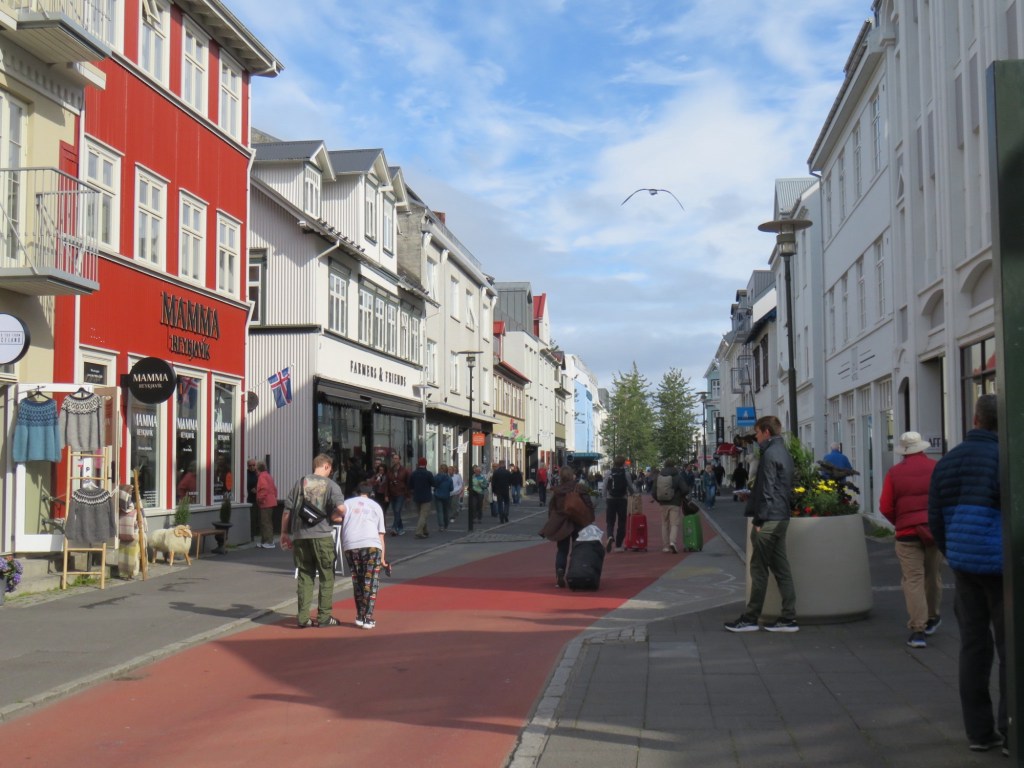
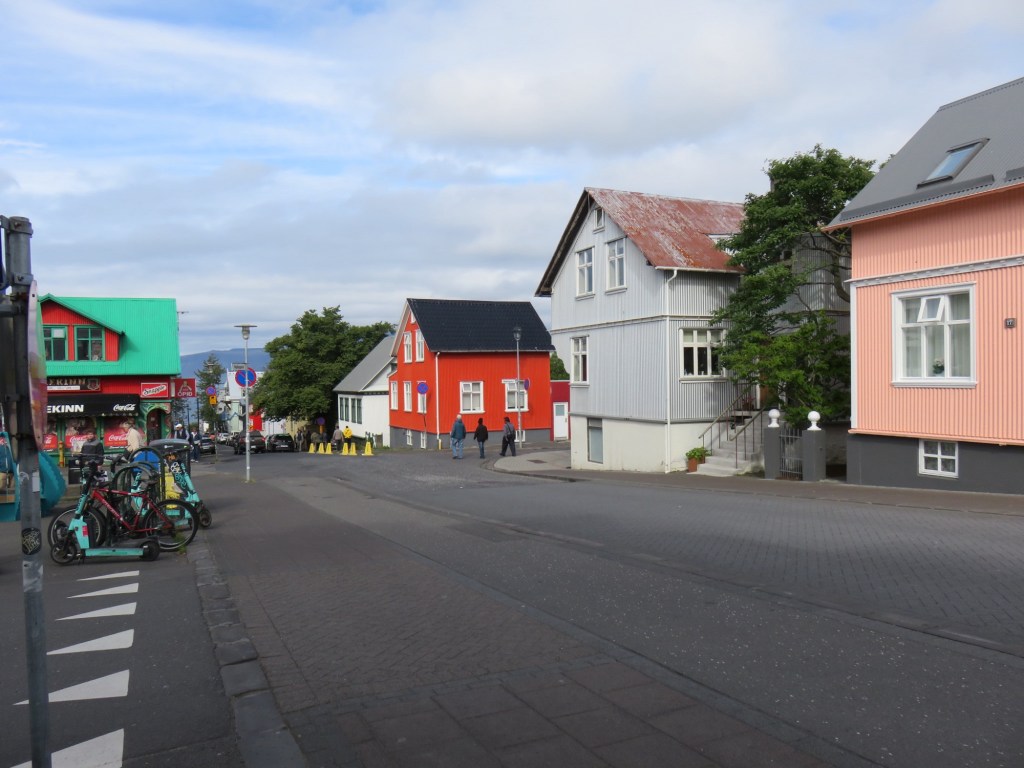
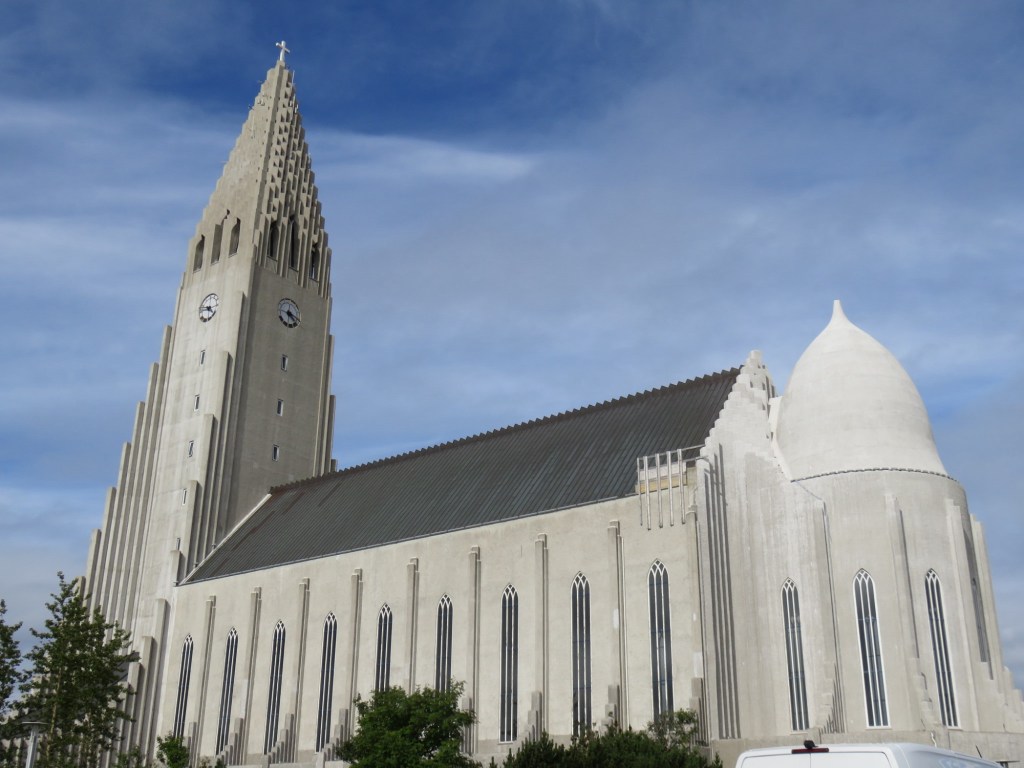
Nathan and I decided to walk around downtown to explore, but one of our companions had twisted her knee so didn’t want to join us. Nathan and I walked around the iconic Hallgrimskyrka, the huge cathedral-like church in downtown and found the touristy pedestrian streets and shops nearby.
We ate dinner in a restaurant featuring more Icelandic food, where I ate another version of the fish gratin “plokkfiskur” that was better than the first and Nathan had Scandinavian fish and chips that was pretty much just normal fish and chips. That was as much sightseeing as my tired body could take, so we walked back to the hotel and called it a day.
Sequoia National Park

Waking up early once again, this time at the bed and breakfast in Yokuts Valley, Stephanie and I walked outside in the yard to find birds in the early sunshine. We were happy to see, among others, Oak Titmouse and Hooded Oriole among the bird species there. Then our host, Mike, prepared a good breakfast of scrambled eggs and pancakes with homemade jams, while talking with us about Sequoia National Park and other topics. Soon after, we packed up and took leave of the accommodations, on our way to the park on this last day of our trip.

Arriving in Sequoia National Park, which is at a pretty high elevation, we were distressed to see that large swathes of trees had burned. Interpretive signage that we saw later in the park noted there were several large fires at different parts of the park between 2015 and 2023.

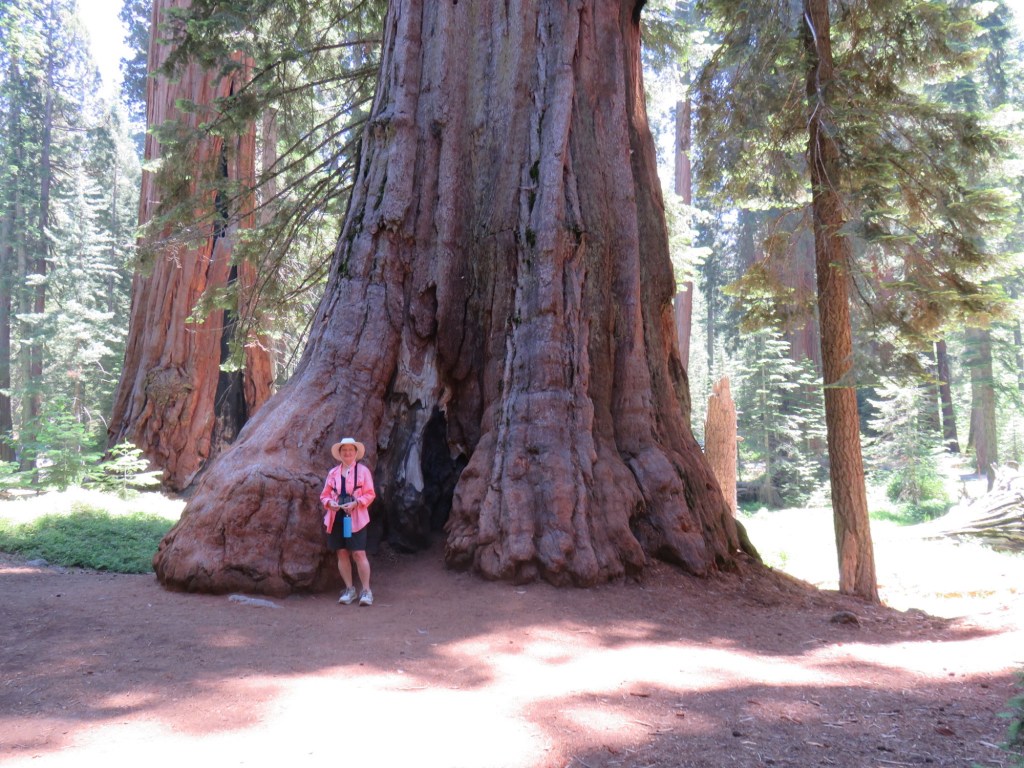
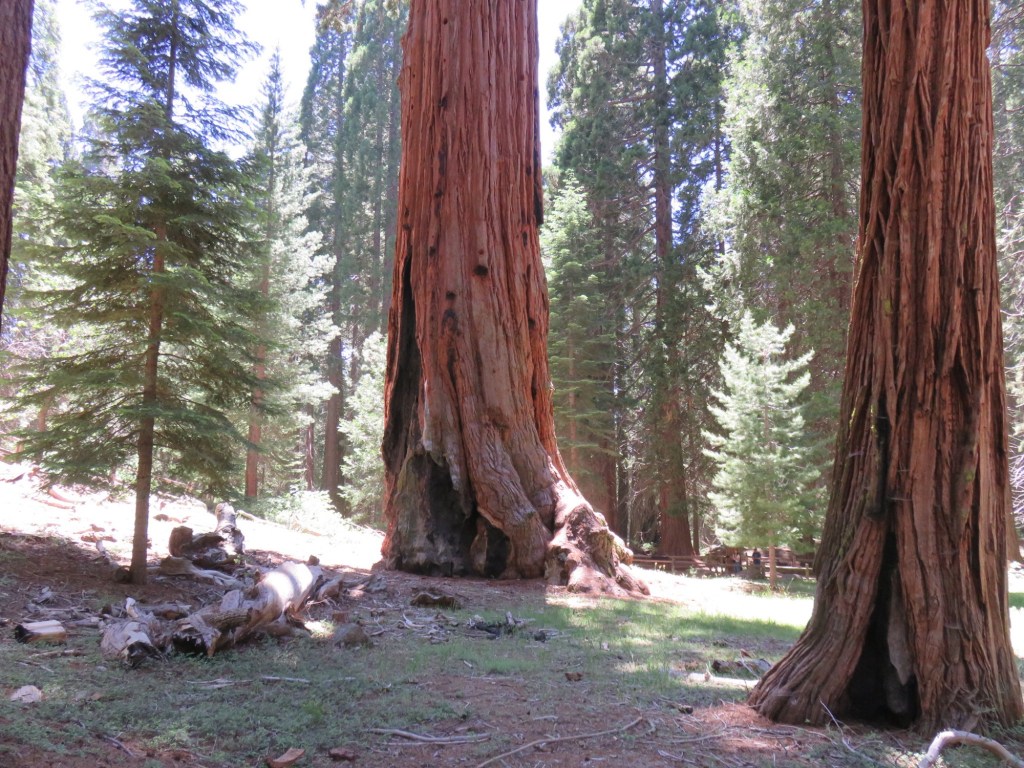
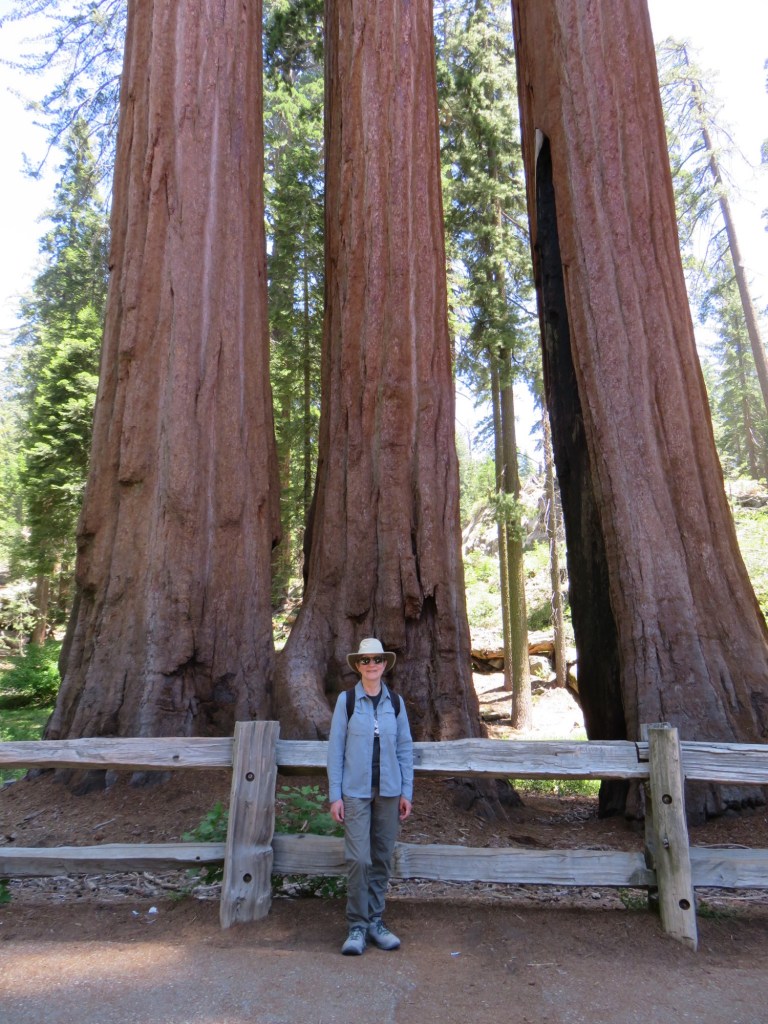
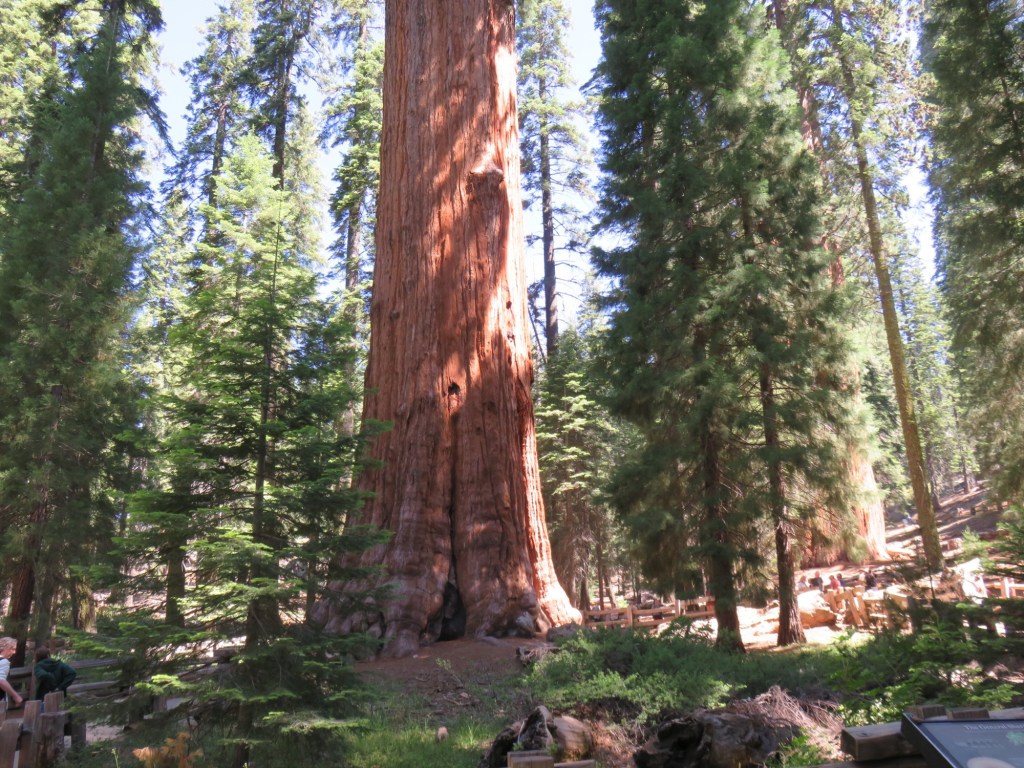
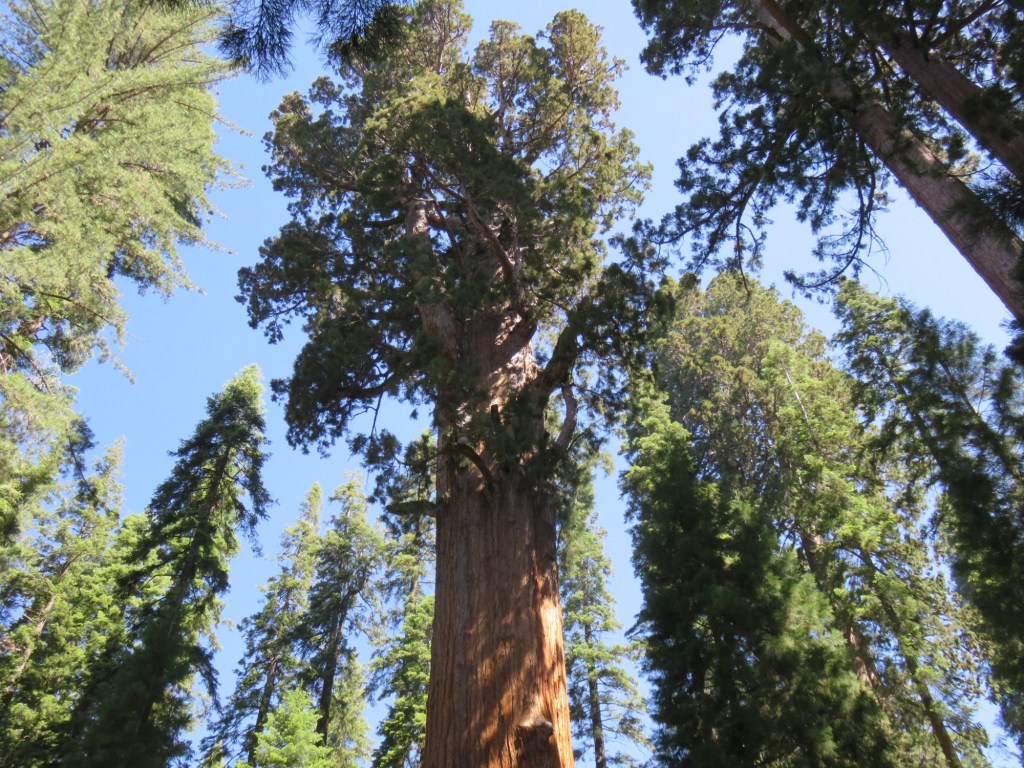
We first went to the Lodgepole Visitor Center to get some information on parking and crowded times. Then we drove to see the General Sherman Tree, a huge sequoia that is the largest tree by volume in the world. (The General Grant Tree that we had seen in Kings Canyon Park yesterday is the third largest.) We walked down from the parking lot on a half-mile paved path downhill to view the tree. After seeing it and taking photos, we walked a little farther down to take a free shuttle bus back uphill to the parking lot, since neither Stephanie nor I were feeling particularly energetic for the somewhat strenuous uphill hike. The shuttle bus was great.

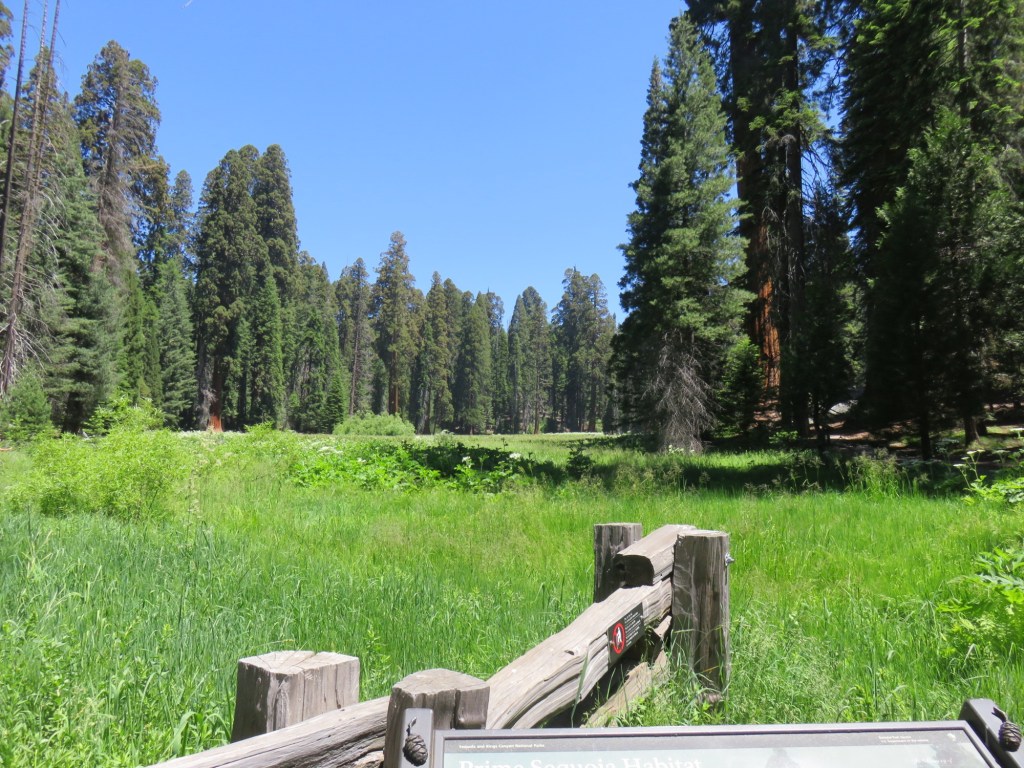
Next we wanted to view the Giant Forest Museum and walk the Big Trees loop trail, which circled around a pretty meadow and through many more sequoias. We slowly walked the path, identifying birds along the way and feeling awed at the huge trees.

It was after 1 p.m. by that time and we were really hungry. We stopped to get a snack at Lodgepole Visitor Center, then left the park and drove over an hour to the agricultural city of Sanger, which is on the way to Fresno Airport. In Sanger we found a Mexican restaurant in the old downtown and ate lunch while watching a World Cup match in Spanish on the restaurant TV. Stephanie had heard recommendations of Mexican ice cream too, so we asked the young employee lady in the restaurant to point us to a Mexican ice cream store nearby and we immediately went to get dessert there, enjoying unique popsicles, called paletas, in the store La Real Michoacana. Outside, it was nearly 100 degrees at 4 p.m.

From Sanger, we drove to the Fresno Airport, returned our rental car, and found our way to the gate for our flight. Fresno is a relatively small airport and since we both are enrolled in TSA Precheck, it was easy and fast to get through security and to the gate. We were a couple hours early for our evening flight, but it was nice to relax at the quiet gate area. Our flight was on time, about 2 hours long, and uneventful. An Uber brought us back to Stephanie’s in a warm Seattle summer evening, and I drove home from there, reaching my house just before midnight. My Sonny kitty was happy to see me.

Kings Canyon National Park

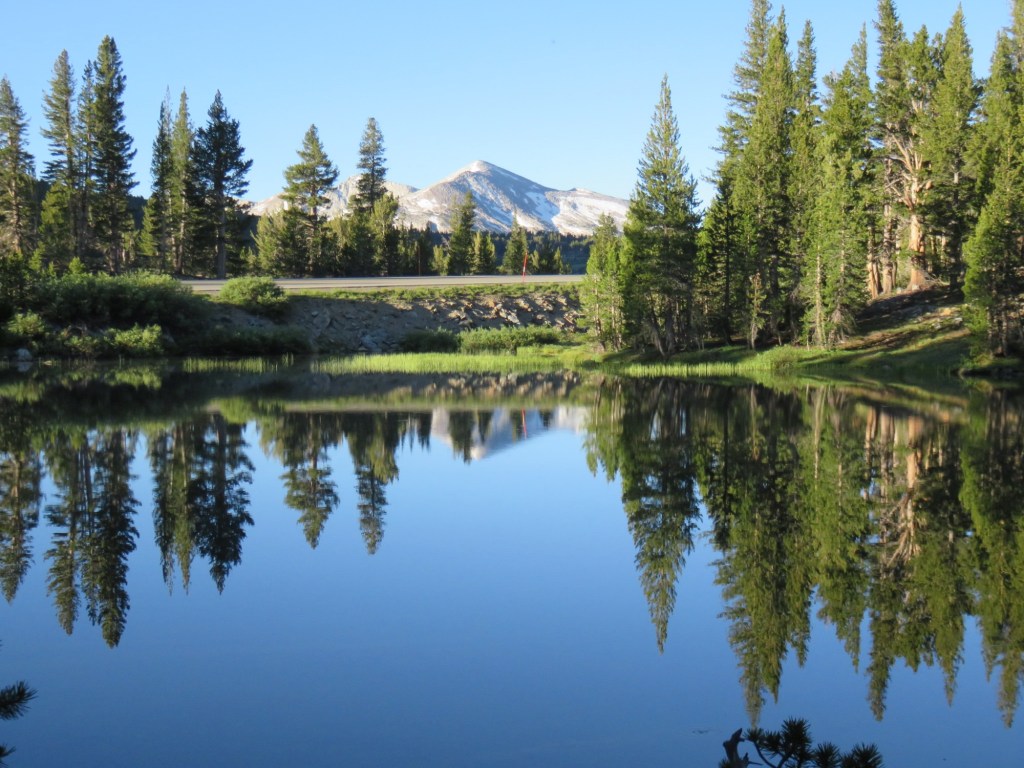
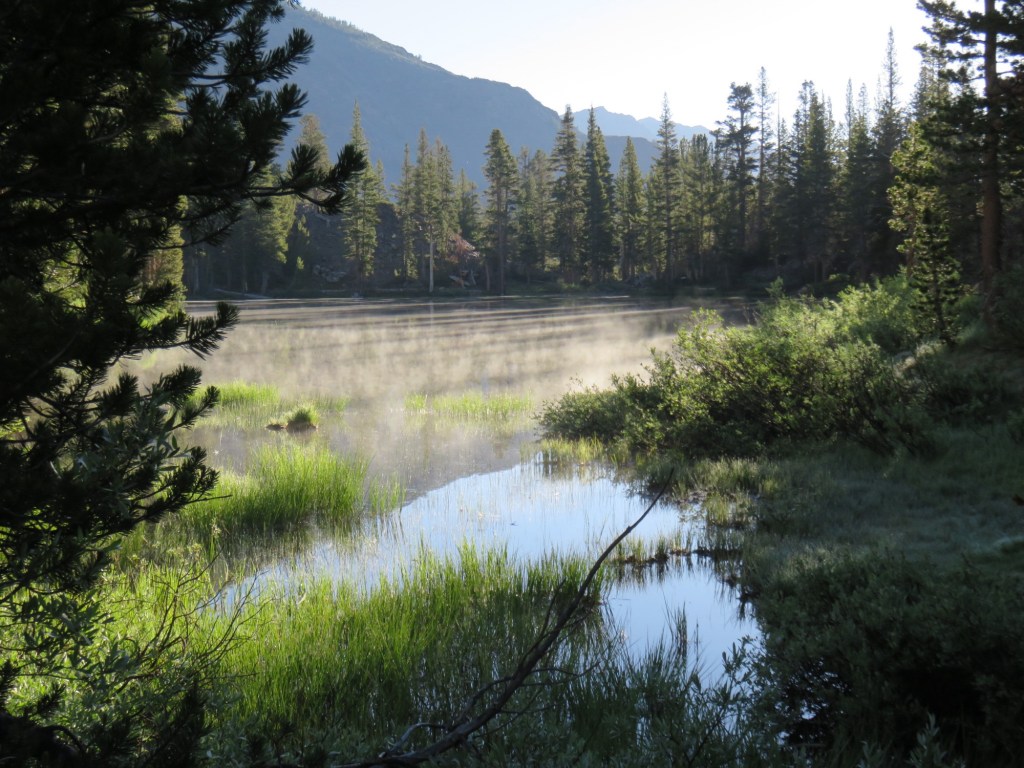
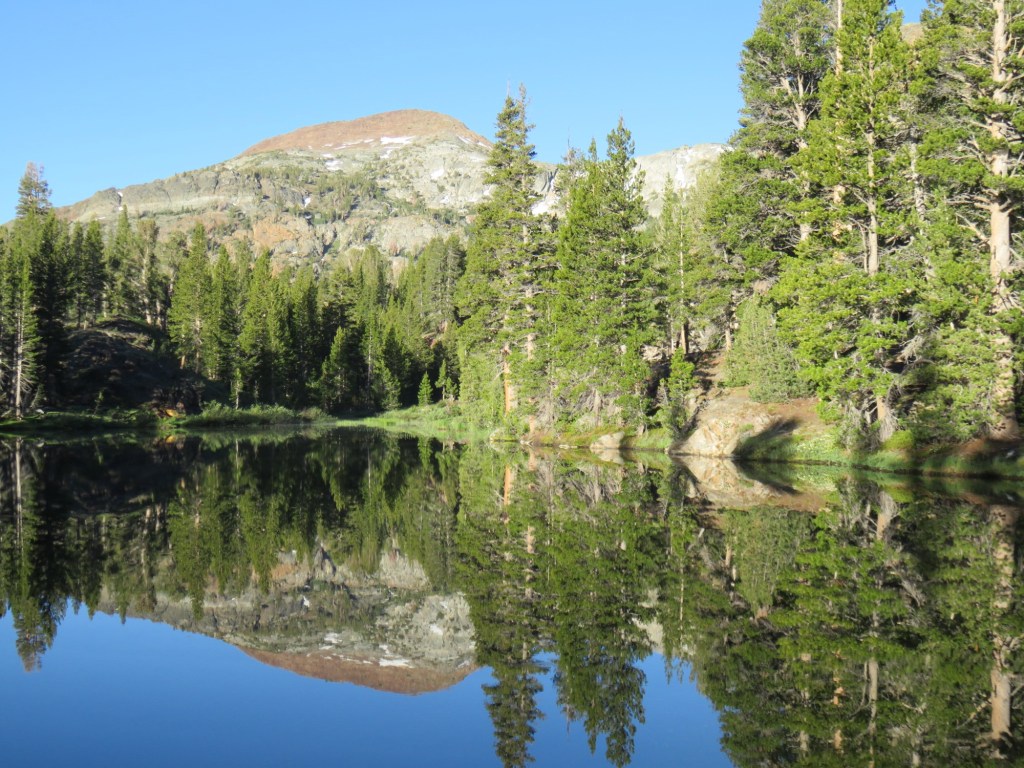
We started another sunny and cool morning in Lee Vining with a breakfast of yogurt on the deck of our hotel room. Soon afterwards, we packed up and set off toward Tioga Pass, backtracking through Yosemite National Park westward. Near the pass, we stopped to walk a lovely quarter-mile trail around a couple of small lakes. We had it to ourselves since it was only 6:30 a.m. We spotted a coyote a couple hundred feet from the trail and enjoyed the quiet morning.

Driving through Yosemite was easy, with very light traffic, although we did have a 15-minute wait on the road while a work party cleared some debris from downed trees. We drove through Fresno and then stopped for gasoline and lunch in an agricultural town named Sanger. We ate Mexican food from a food truck at the gas station, sitting on a picnic bench in the shade of an awning. It was hot there, probably in the high 80s.

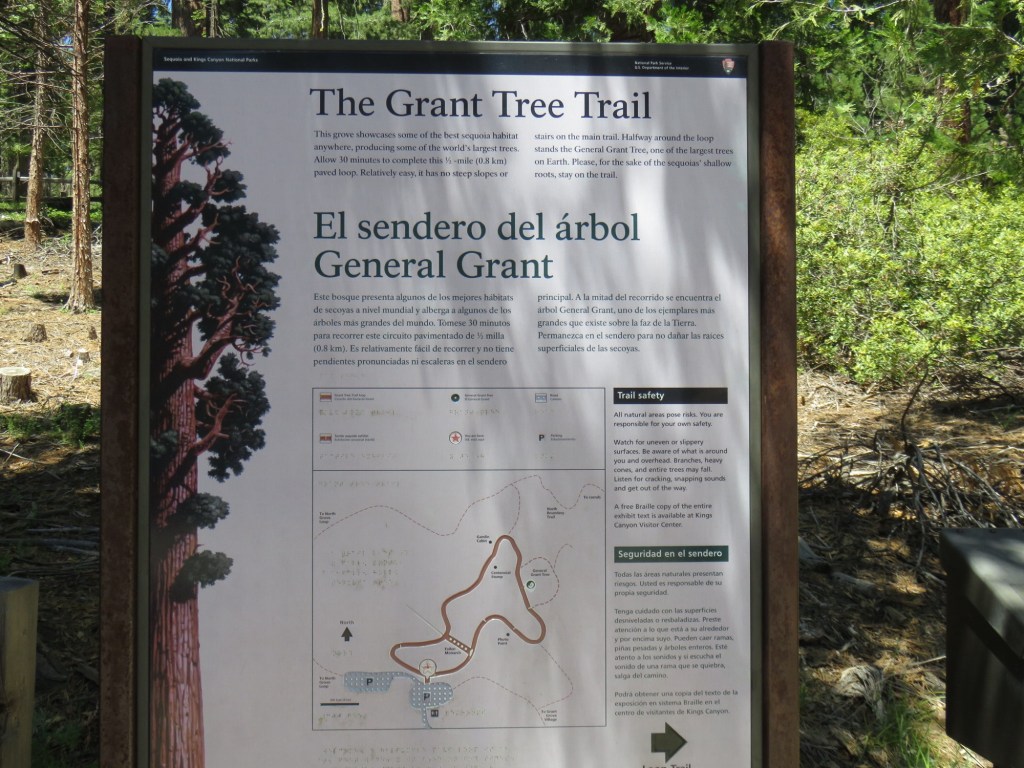
We continued in to Kings Canyon National Park, where crowds were quite light. First we saw the General Grant Tree, a sequoia that is the third largest tree in the world by volume. It was among lots of other giant sequoias. We also saw two woodpeckers while walking among the trees: a Red-breasted Sapsucker and a White-headed Woodpecker.

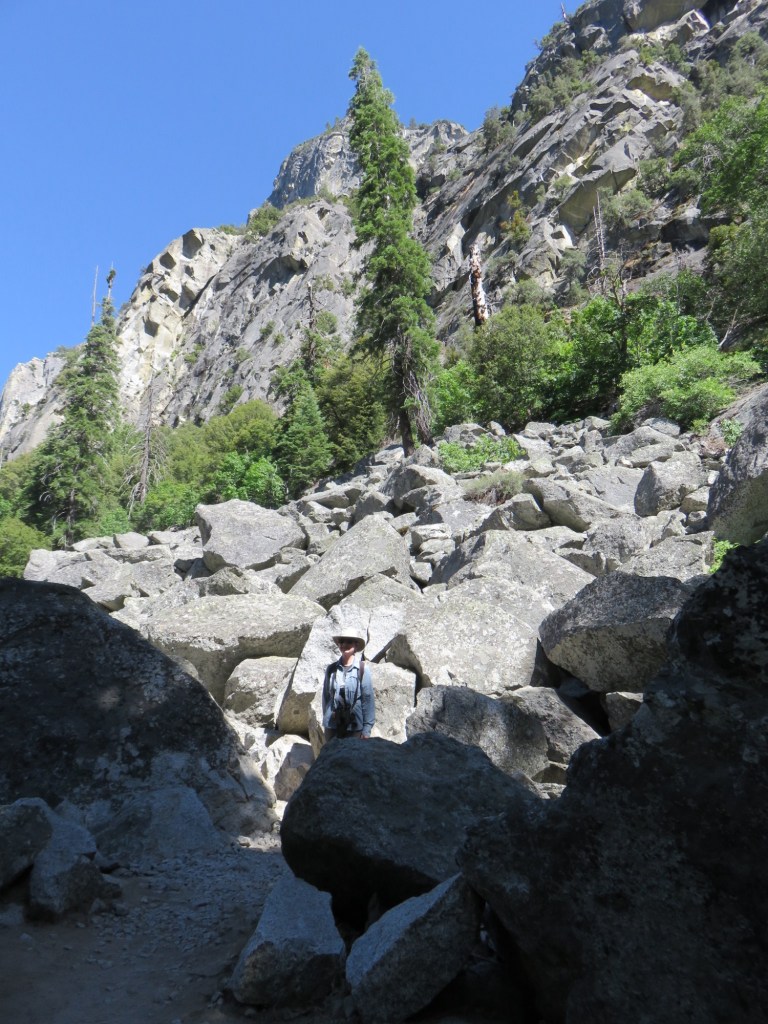
Driving on, we traveled along a 30-mile winding road that went down into Kings Canyon itself. Our goal was to walk the boardwalk that went over a meadow called Zumwalt Meadow, near the end of the road. It took an hour to arrive at the meadow. We walked on the trail toward the meadow, but then was disappointed to see the boardwalk over the meadow was broken and closed. We started along another trail to try and reach another approach to the meadow, but it was hot, rocky, and longer than we wanted to walk. So we turned around and walked back.

Hiking near Zumwalt Meadow

We drove back to the park entrance, reaching it around 5 p.m. and continued out on the highway toward our bed and breakfast room in a house that would be our lodging for the night. Along the way we stopped at a pizza restaurant and had dinner.

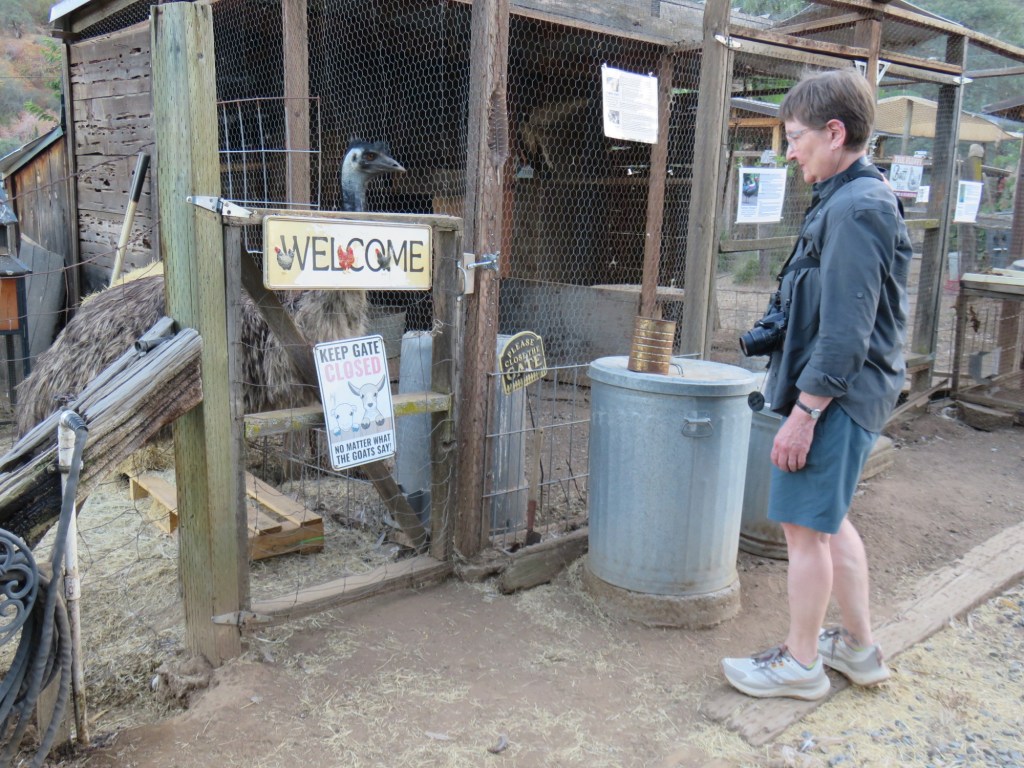
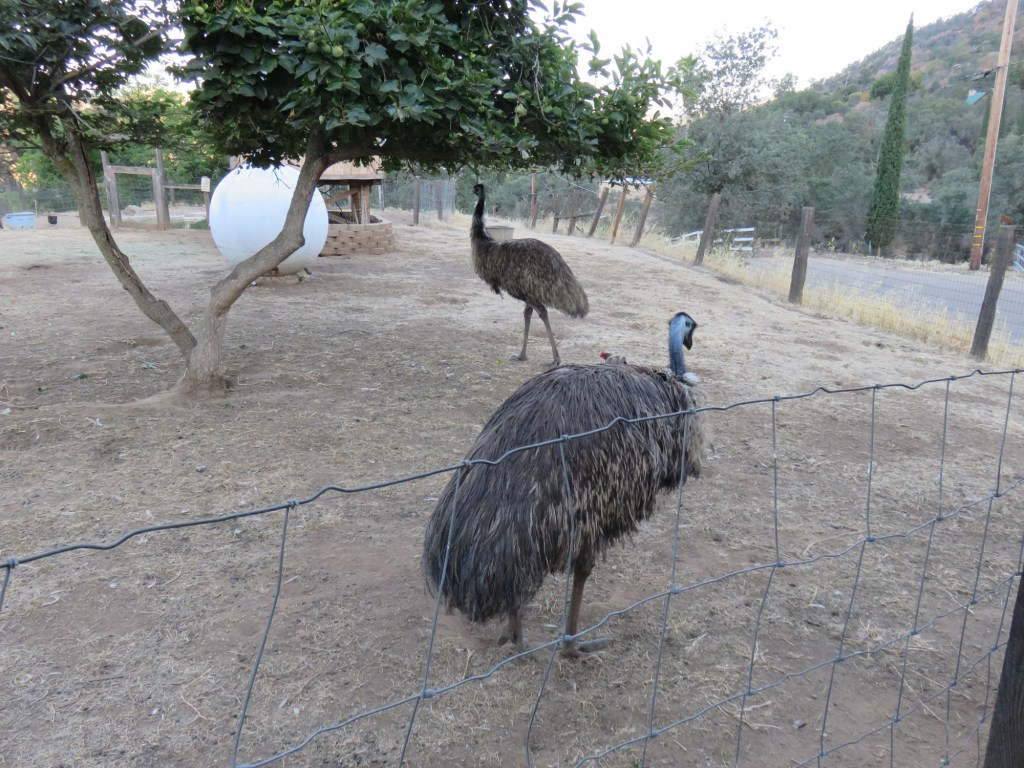
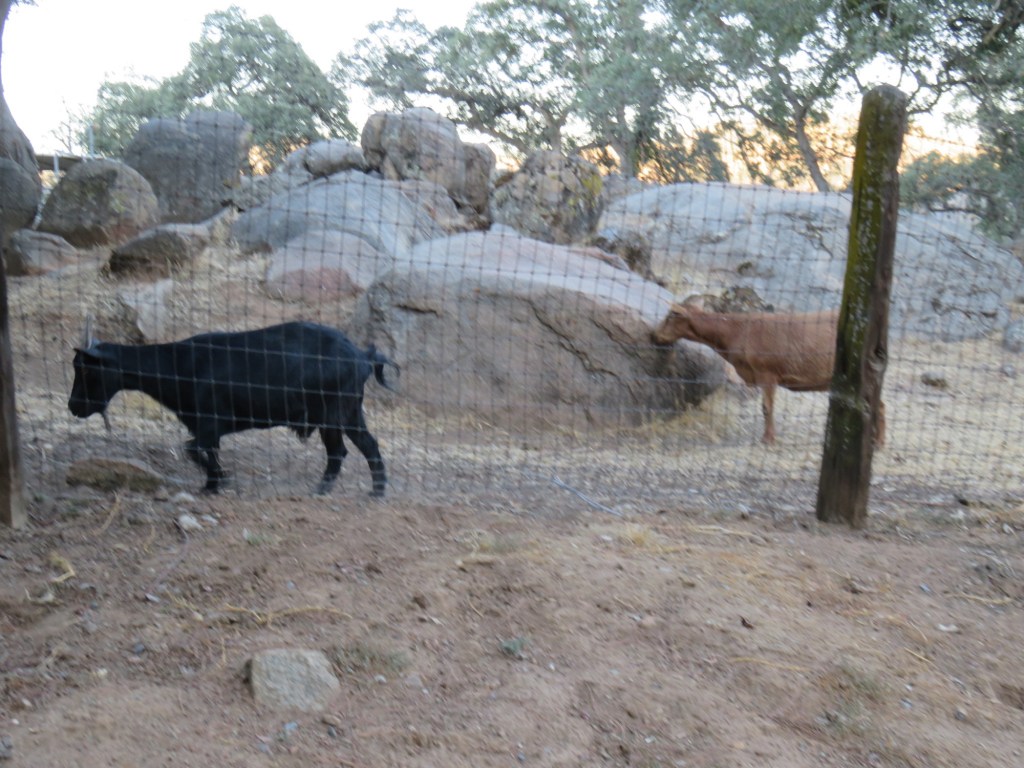
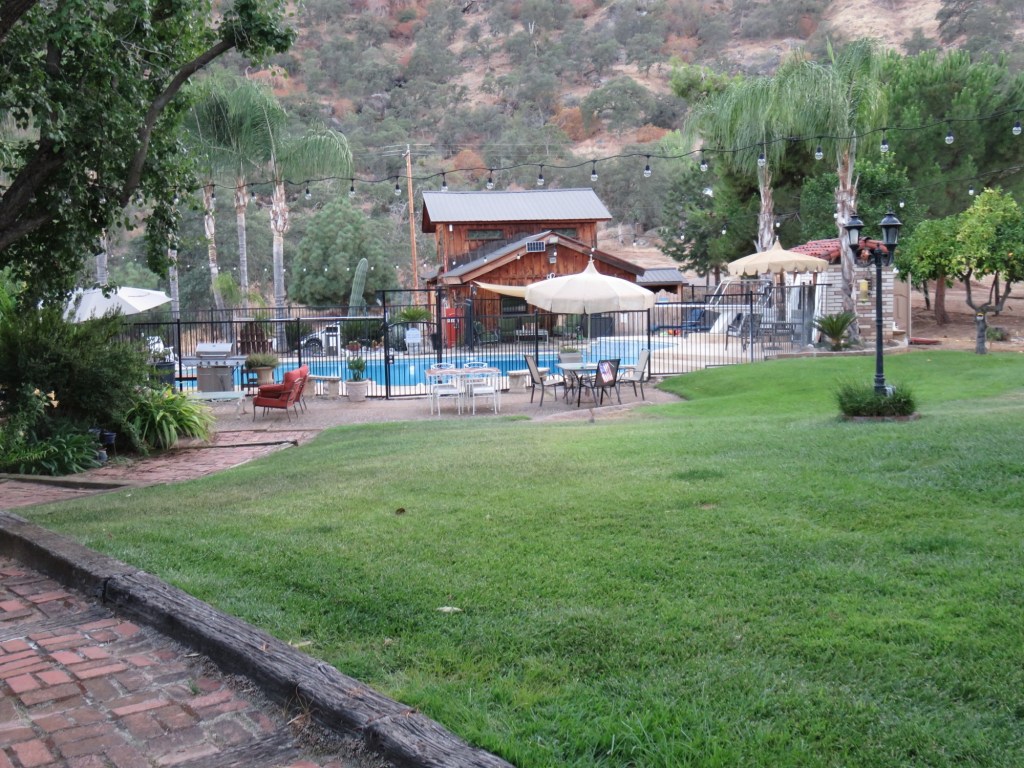
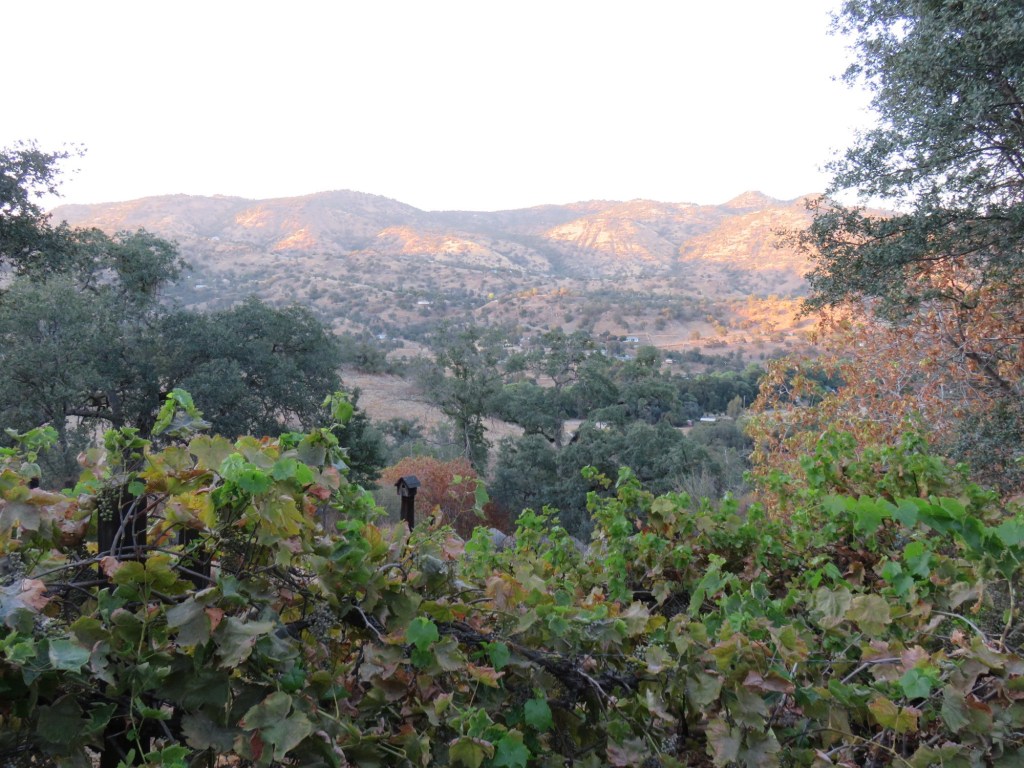
Our lodging is called Rustic Rooms in the Yokuts Valley, where it was near 90 degrees. We were met at the door by our hostess Bobbi. She showed us around and to our room. They rent out 4 rooms to guests. In their large yard they also keep two emu birds, turkeys, chickens, a peacock, several exotic pheasants, quails, Pygmy goats, and pigs. They also have a beautiful pool. Stephanie cooled her feet in the pool and saw some good birds in the hour just before sunset, including a Hermit Warbler and an Acorn Woodpecker. I was too tired from the day’s many hours of driving to spend time at the pool.

Birding the Mono Lake Basin

Another sunny day in Lee Vining dawned this morning. After a restful night, Stephanie and I woke early again. (We’re both habitual early risers.) After getting dressed, we sat out on our room’s back deck and ate yogurt we had purchased last night. Then we got rolling.

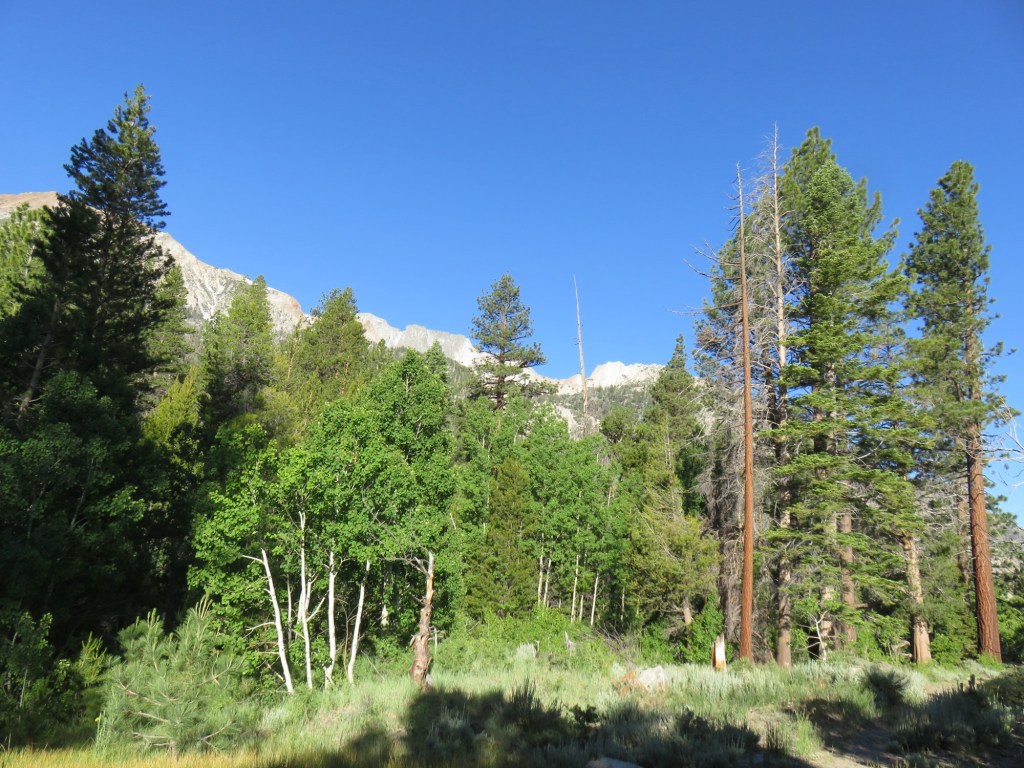
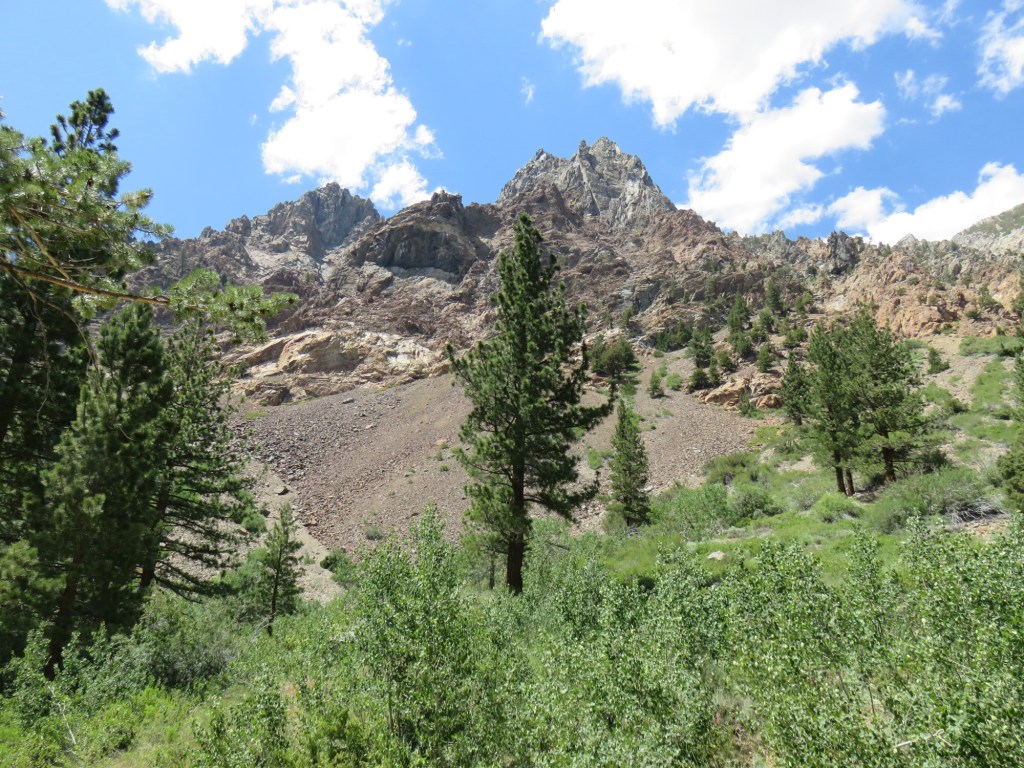
Our first birding spot was back towards Tioga Pass a short distance: Lee Vining Canyon. We turned off on a side road, drove a little ways and then parked just off the road. We were in a mixed conifer and poplar forest with a large creek running by. It was a beautiful spot and there were a few birds around, although they tended to hide and were difficult to see well or identify.

Lee Vining Canyon

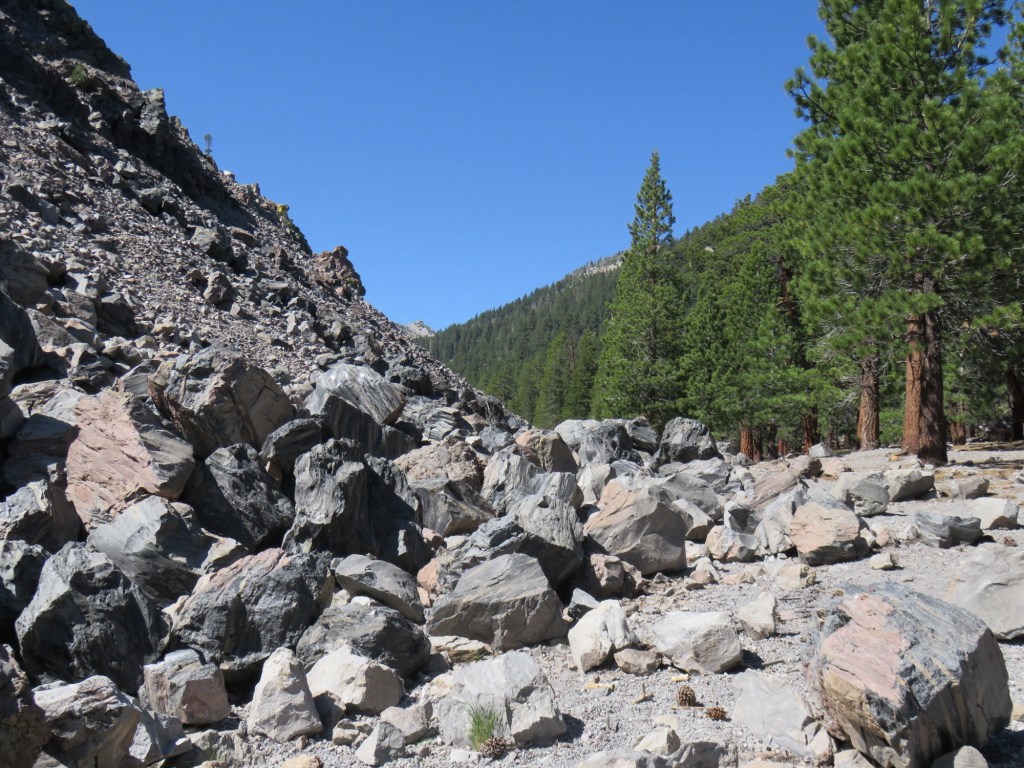
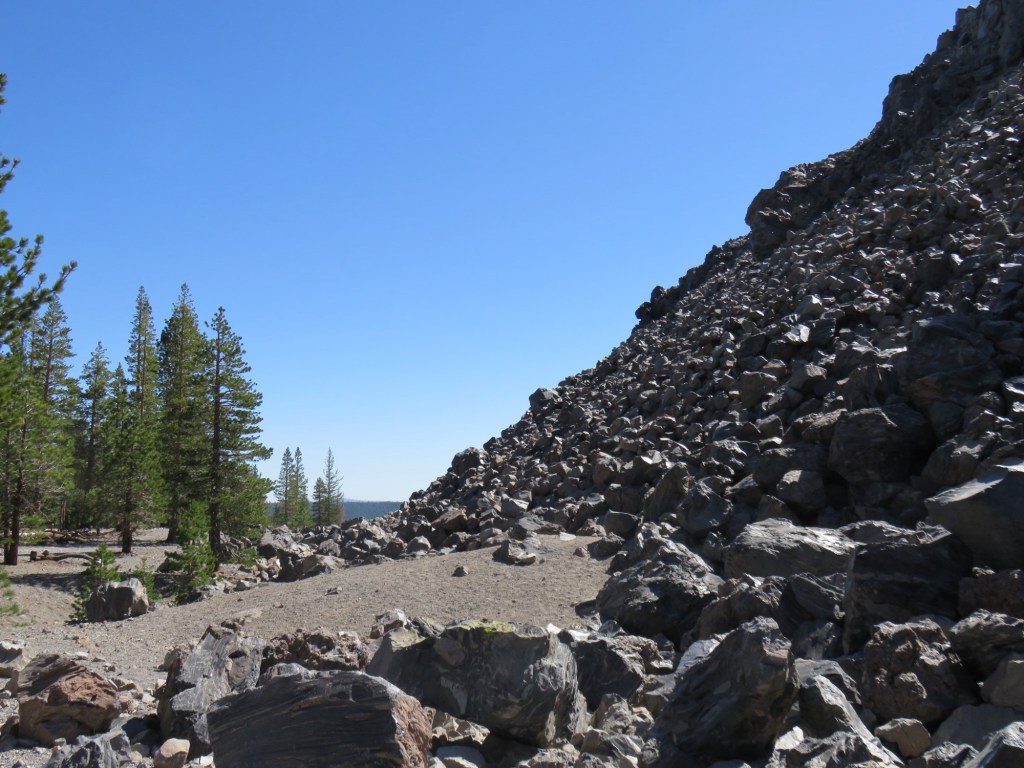
Then we drove further south, through the June Lakes Loop area and down to a place called Obsidian Dome, where a huge amount of obsidian rock had been deposited by volcanic activity. It was interesting to see the obsidian and the surrounding pine forest, but as far as birds, it was fairly quiet.

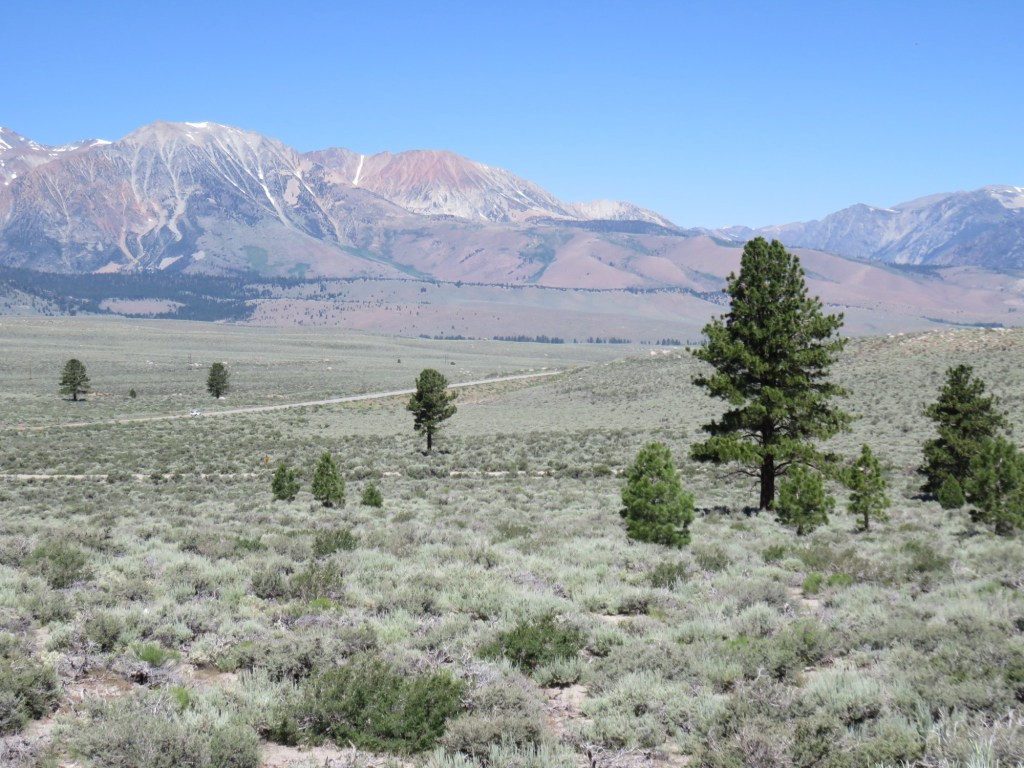
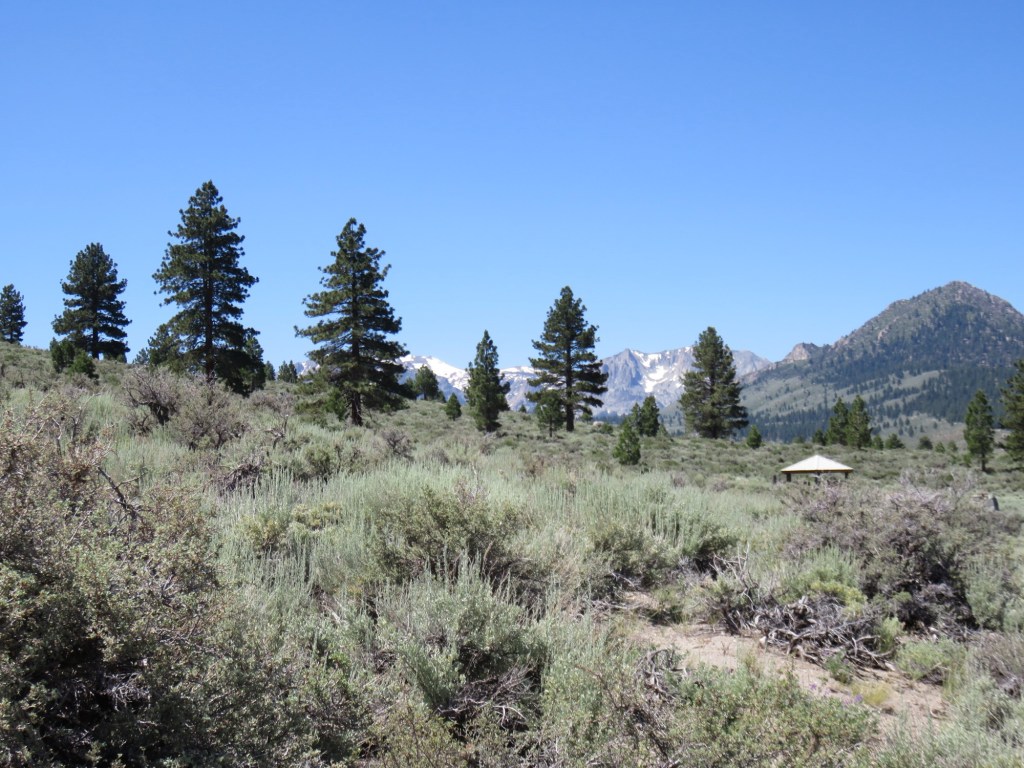
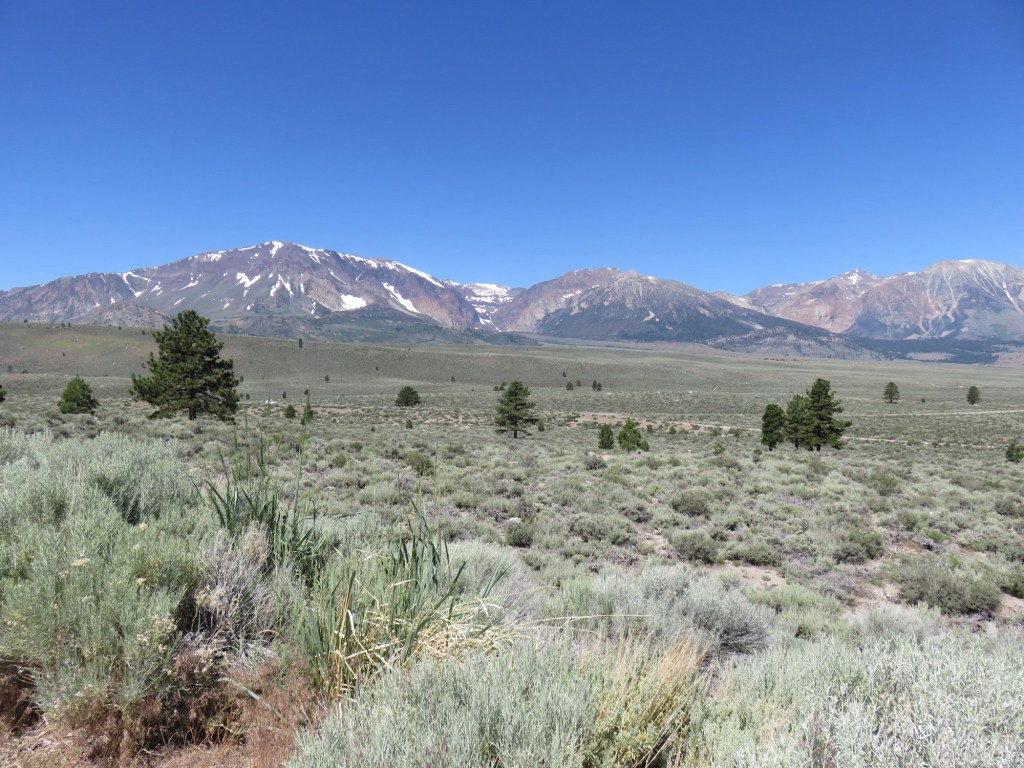
Turning north again, we went to a high viewpoint that’s south of Lee Vining and were awed by the view of the Sierra Nevada mountains with very little snow, and the Mono Lake Basin.

By that time, it was late morning and we were getting hungry. We went to the most famous restaurant in Lee Vining, the Whoa Nelly Deli, located at a Mobil gas station/mini mart. It’s famous for delicious fish tacos and mango margaritas, so that’s what we ordered. We ate them outside in a grassy area with picnic tables shaded by trees. The food was great, the drinks were large, and the temperature and setting were pleasant. (Sorry, no pics of the food or gas station.)

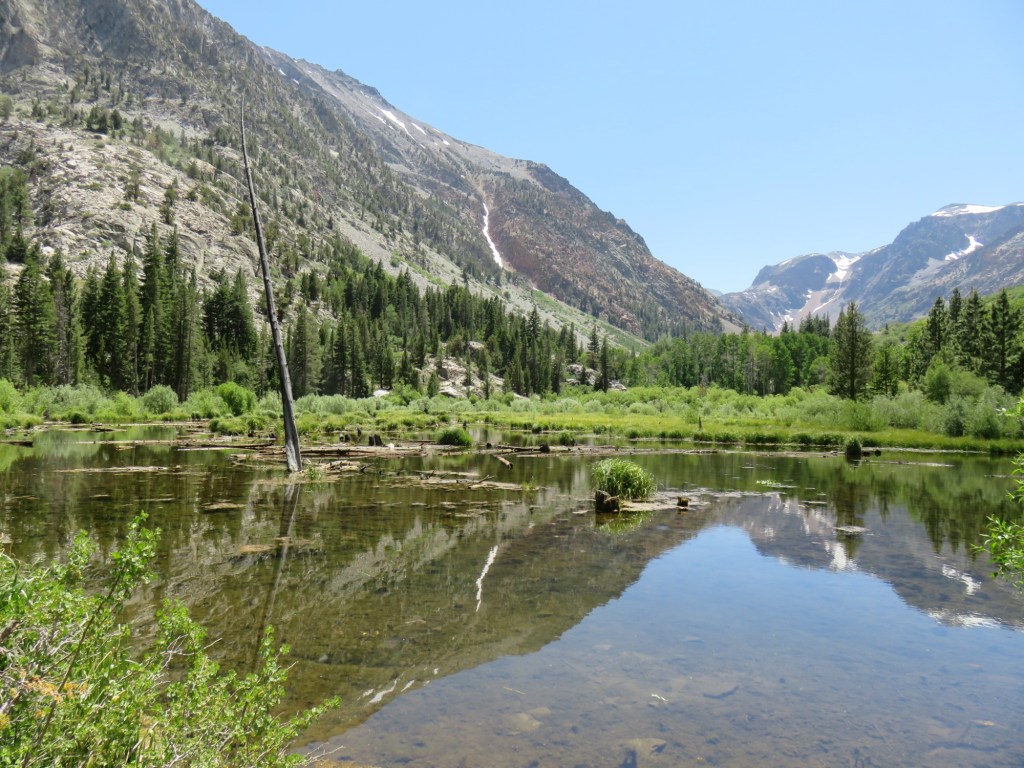
After a rest back at the hotel room, at mid afternoon we set out again, this time to see what birds might be in Lundy Canyon, just north of the town. A creek ran through this canyon too, but much of the water was temporarily diverted by beaver dams, creating a nice wetland. We walked along a gravel road beside the wetland to see what birds might be there. One of the birds we spotted high above us, soaring next to a mountain, was a Golden Eagle.

It was quite hot in the canyon, so as we drove back to Lee Vining, we stopped to get ice cream cones from the store next to our hotel and then enjoyed them while sitting in the shade in the hotel’s garden.

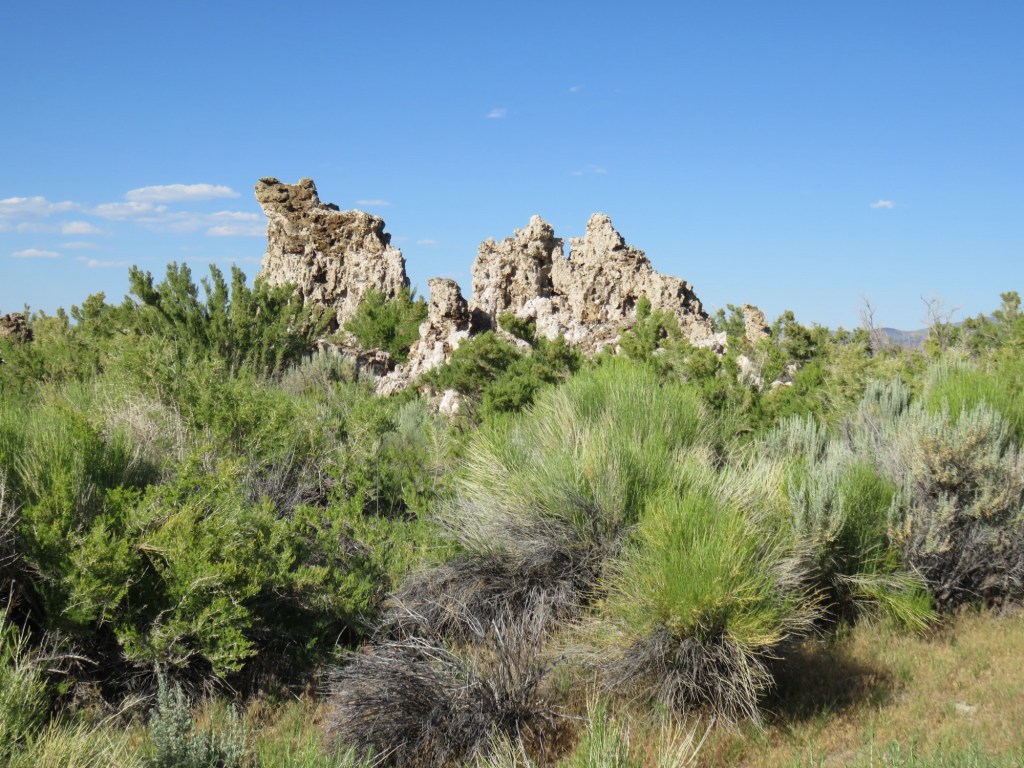
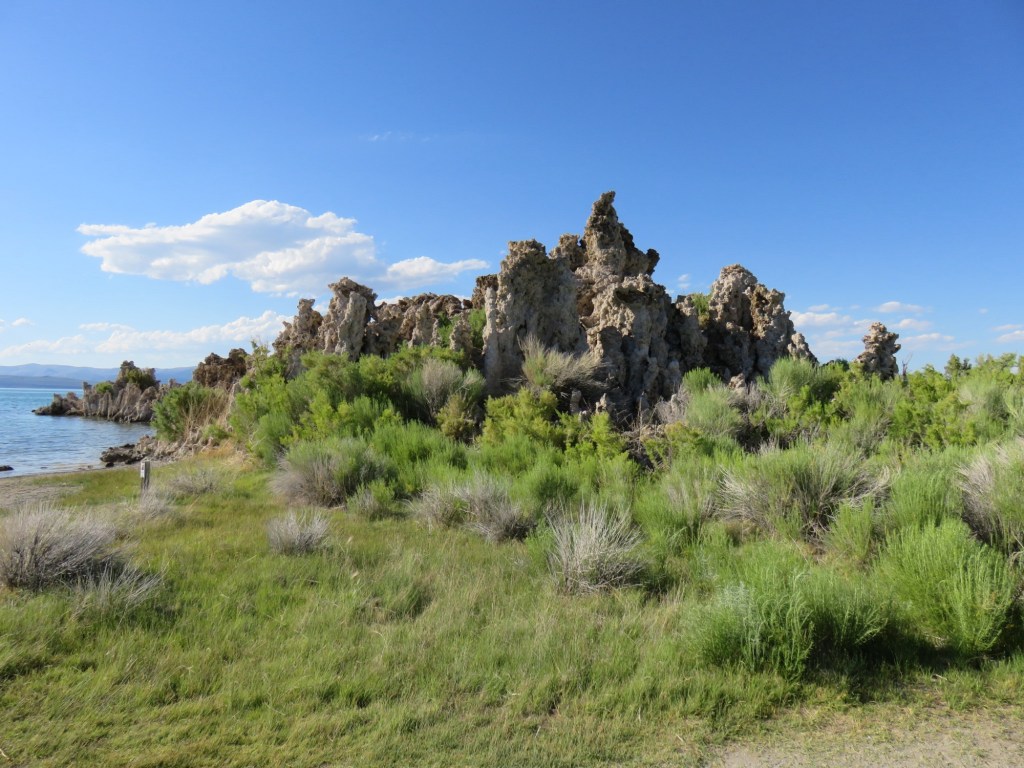
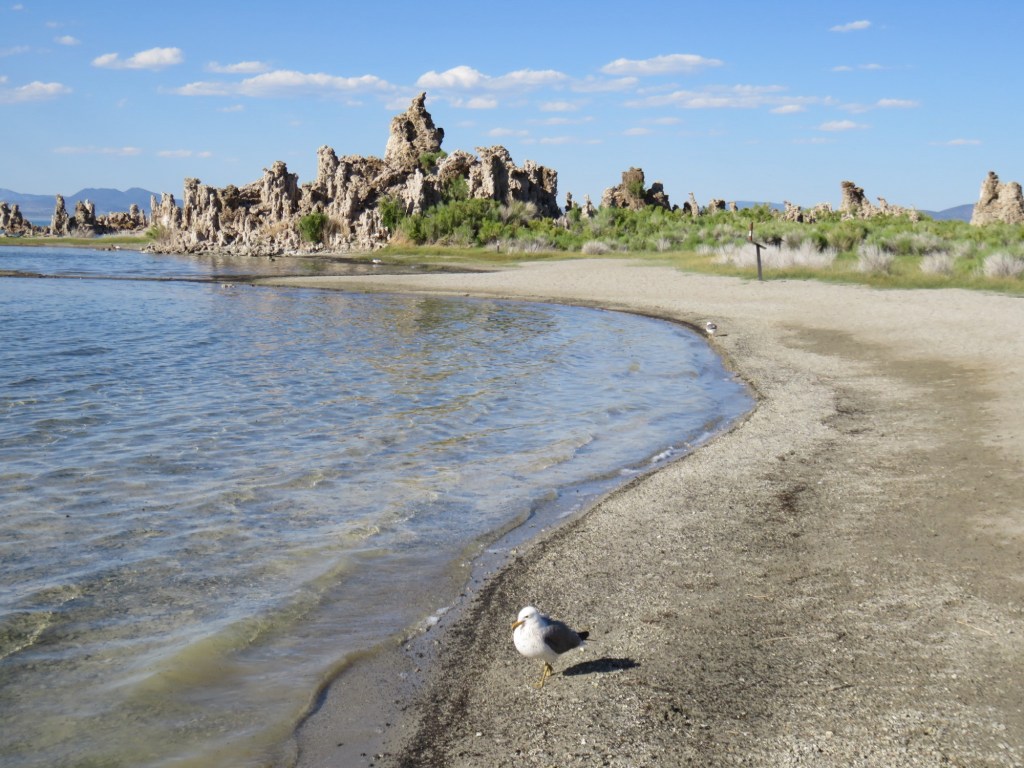
To finish off the day, we drove to the south end of Mono Lake, first to a historic site where pine trees had been cut, milled and placed on a train that went to the mining town of Bodie in the late 1800s. The wood supported the booming mining industry and population of Bodie at its peak. Then we visited the calcium carbonate tufa formations on the south shore of Mono Lake and saw a few California Gulls catching and eating the alkali flies that thrive in the extremely salty water of the lake. The shoreline was black with the flies, which hatch underwater and crawl out.

By this time, we were running low on energy due to the heat and elevation so we headed back to the hotel where we ate leftovers that we had stashed in the room’s fridge.

Through Yosemite to Lee Vining

Today was the first full day of a birding trip to California for Stephanie and I. We flew into Fresno yesterday evening, rented a car and drove to Madera, a city about 30 minutes north. That’s where we spent the night, at a La Quinta Inn.

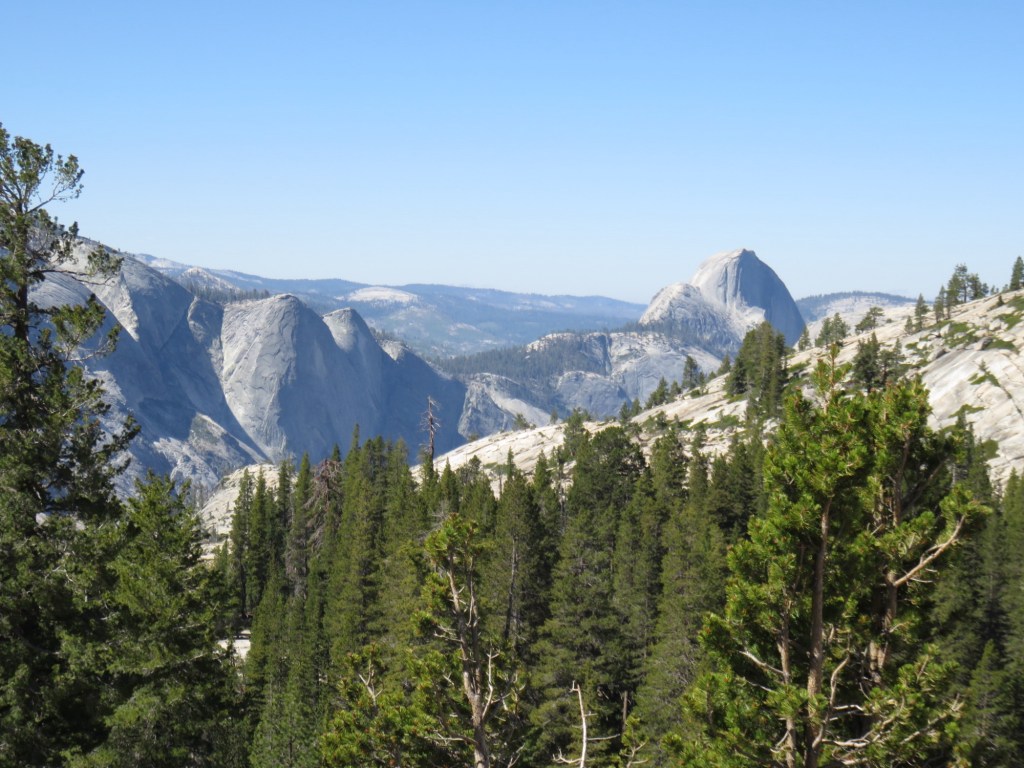
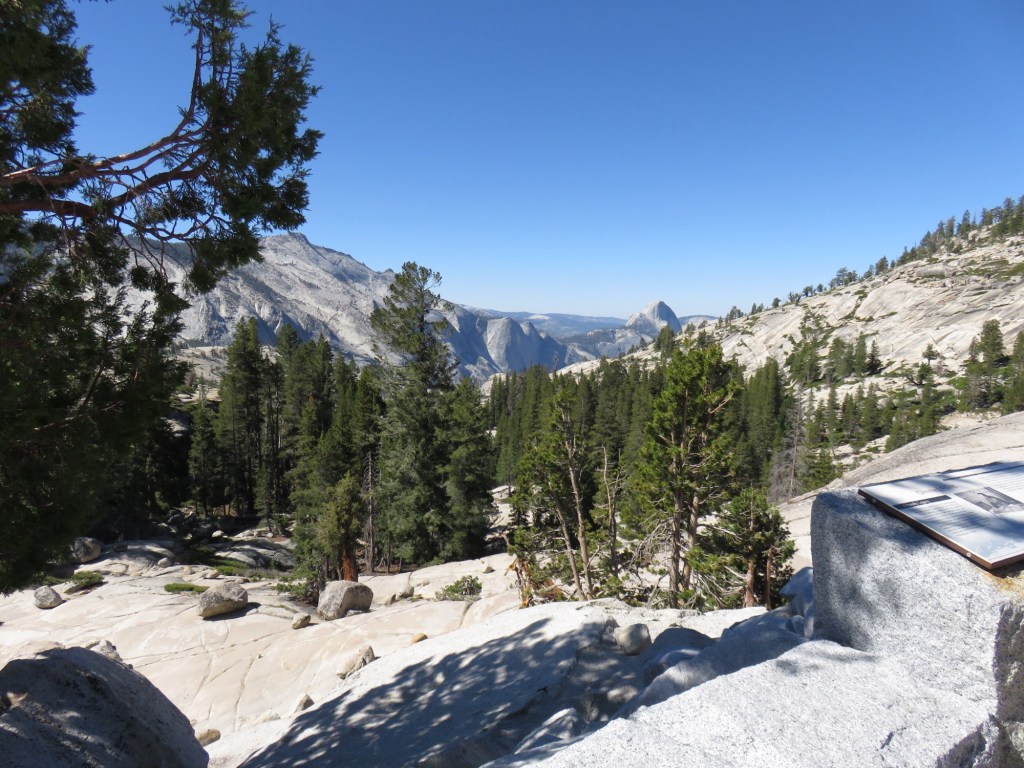
Then early this morning we got up, got ready, and we were out the door by 6 a.m. because we planned to drive through Yosemite National Park before the crowds of visitors slowed down the drive. And we did beat the crowd. The drive through the park was beautiful and not congested. We only stopped a couple of times in the park and one of them was at Olmsted Point, where we had an awesome view of Half Dome.

Exiting Yosemite on the eastern side, we drove through Tioga Pass and then quickly descended to the small town of Lee Vining, next to Mono Lake. The elevation of Tioga Pass is more than 9,900 feet and Lee Vining is about 6,300 feet and we made that descent in about 15 minutes.

There are only about 200 residents in Lee Vining, but the town was buzzing with lots of visitors because it was the end of the Mono Basin Bird Chautauqua, an annual birding festival that attracts lots of birders. We stopped for lunch in town at Mono Cone, where we ordered burgers and milkshakes and ate outside at a picnic table. The weather was comfortable in the shade with a temperature in the high 70s.

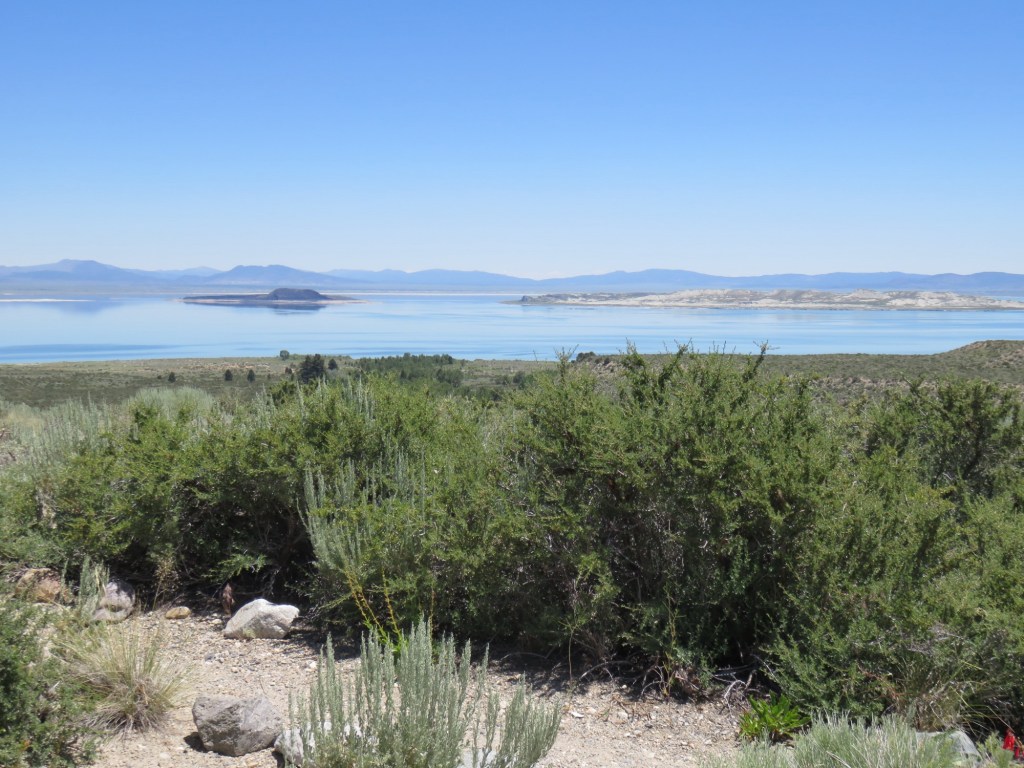
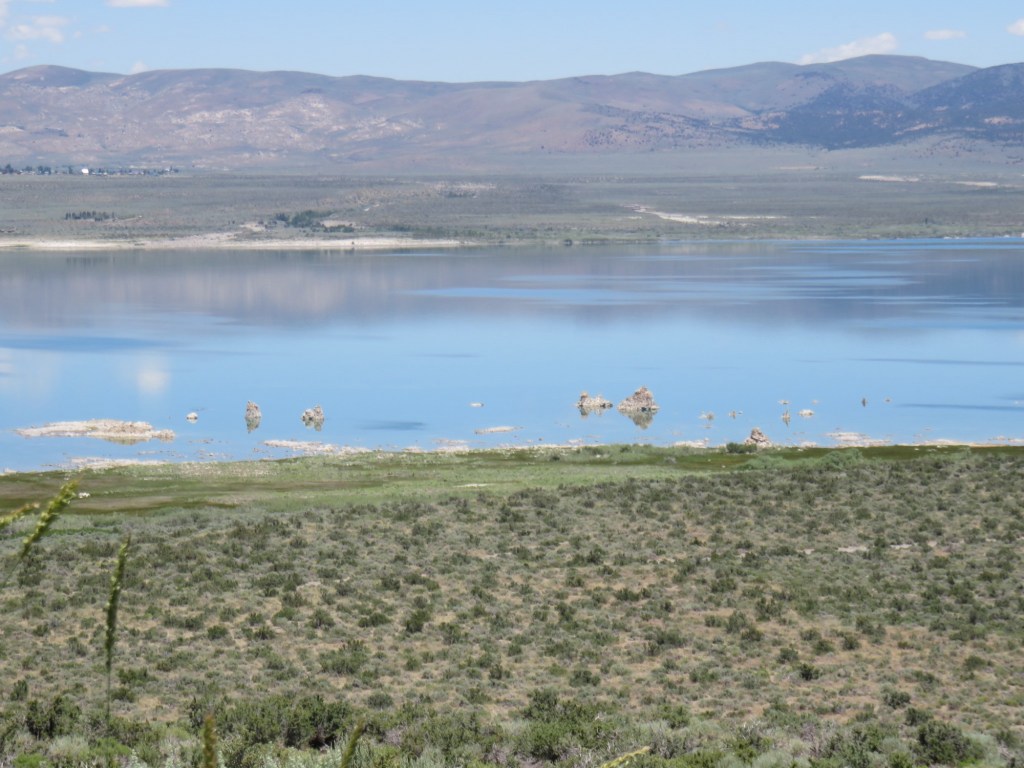
Just outside of town is a Forest Service visitor center, where we stopped for information and for great views of Mono Lake. The water in the lake was glassy smooth and it was quite warm.

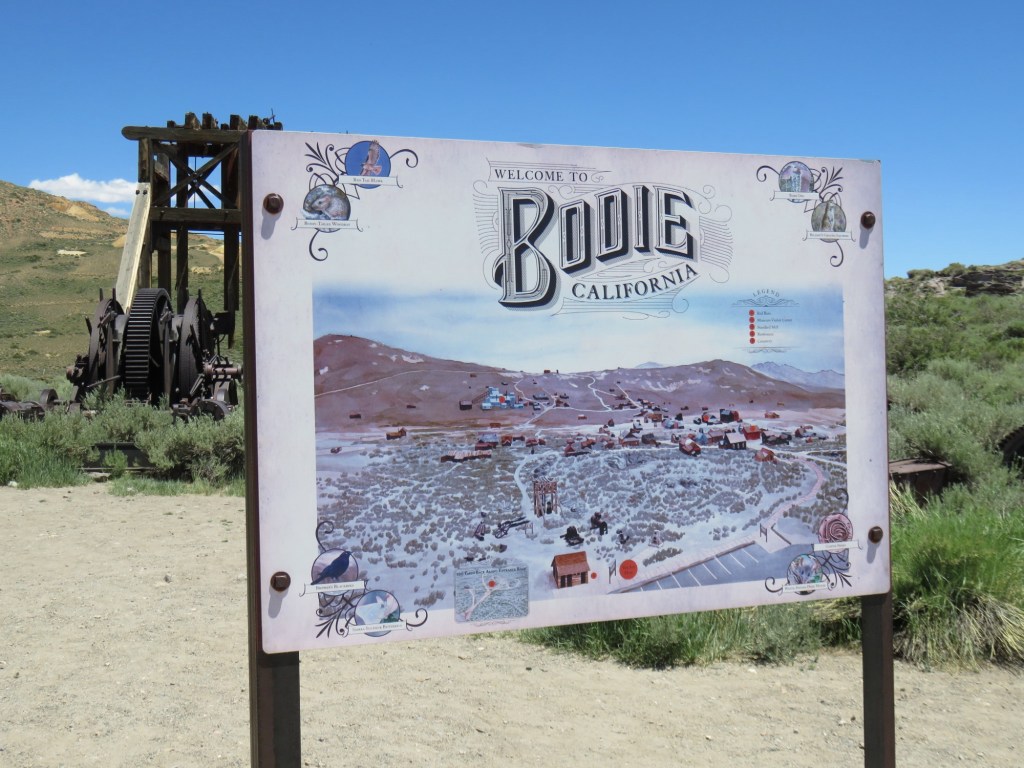
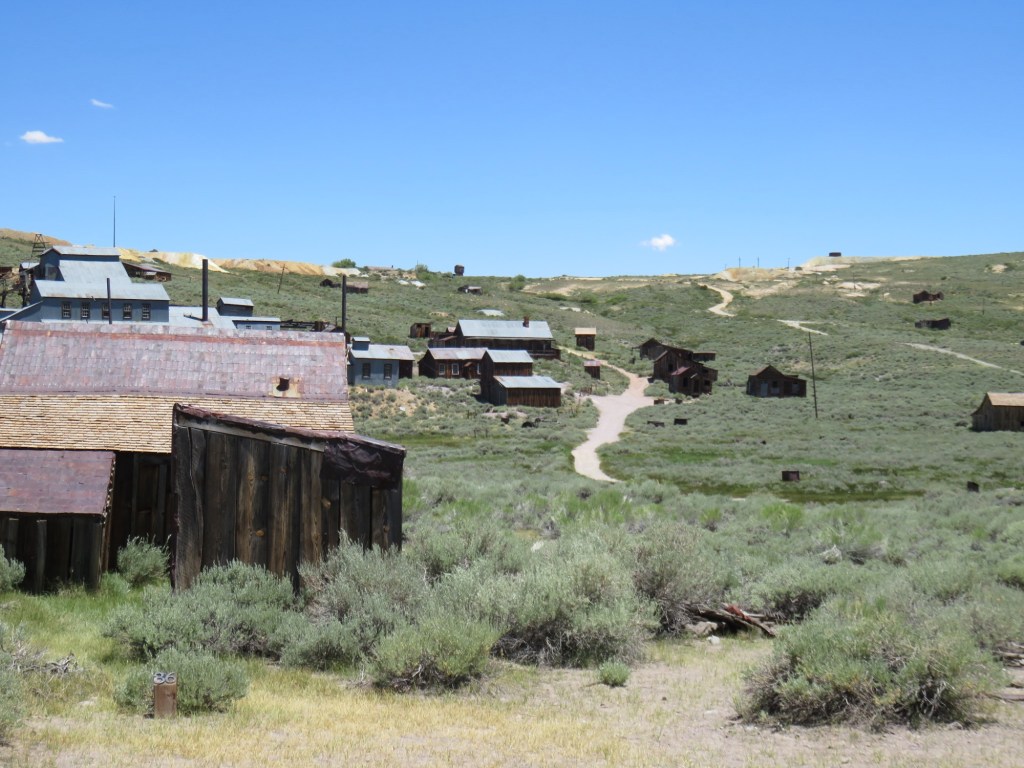
Then we drove north to the state historical park of Bodie, now a ghost town but once a bustling mining town in the 1880s. We walked around the town, looking in the windows along with quite a few other tourists.

On the way back to Lee Vining, we stopped at Virginia Lake Resort, a rustic old cafe and store set on the edge of a lake. A lady birder saw our binoculars and greeted us in the parking lot, inviting us to see some Gray-crowned Rosy Finches, which aren’t too common, and Mountain Bluebirds, at the store’s bird feeder. We saw these two species plus some red Cassin’s Finches, and several different types of squirrels and chipmunks under the feeder as we sat in the shade and drank a soda. It was a pleasant way to cool off and slow down.

After that cool interlude, we drove back into Lee Vining and checked into our hotel, the Lake View Lodge. We walked over to the lodge’s restaurant, ordered dinner, and ate outside in the shade of their trees while watching birds overhead.

After dinner, we took one more drive out for some evening birding at DeChambeau Ranch, a ways out on a gravel road neat Mono Lake. It is an old ranch, now abandoned and probably owned by the Forest Service. We were alone there as the sun set behind the mountains. But before it did, we saw and heard several kinds of birds, including a Common Nighthawk, catching flies as it flew overhead.

It was a beautiful day with lots of interesting sightseeing and good birding.