Parks Near the Columbia Gorge

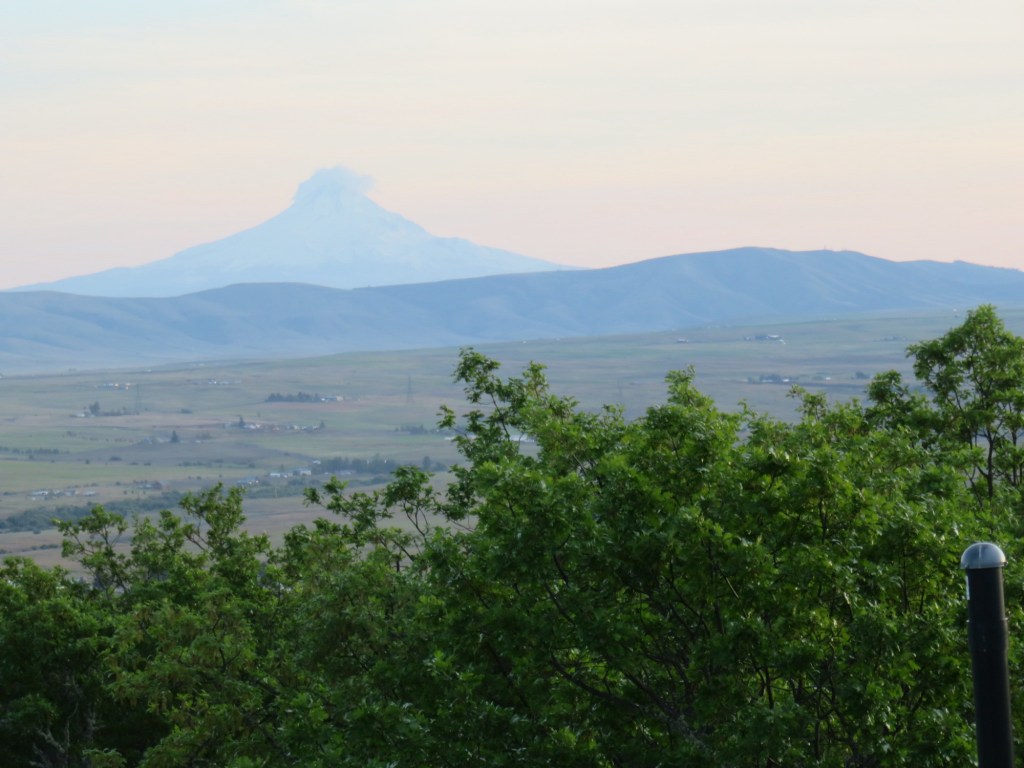
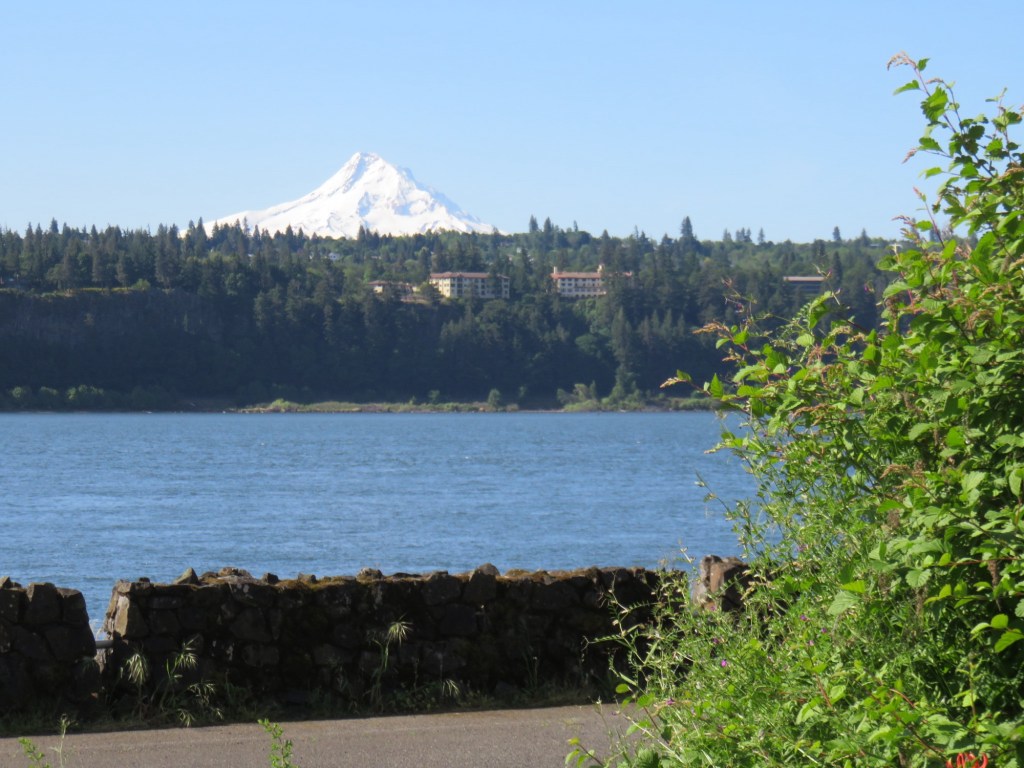
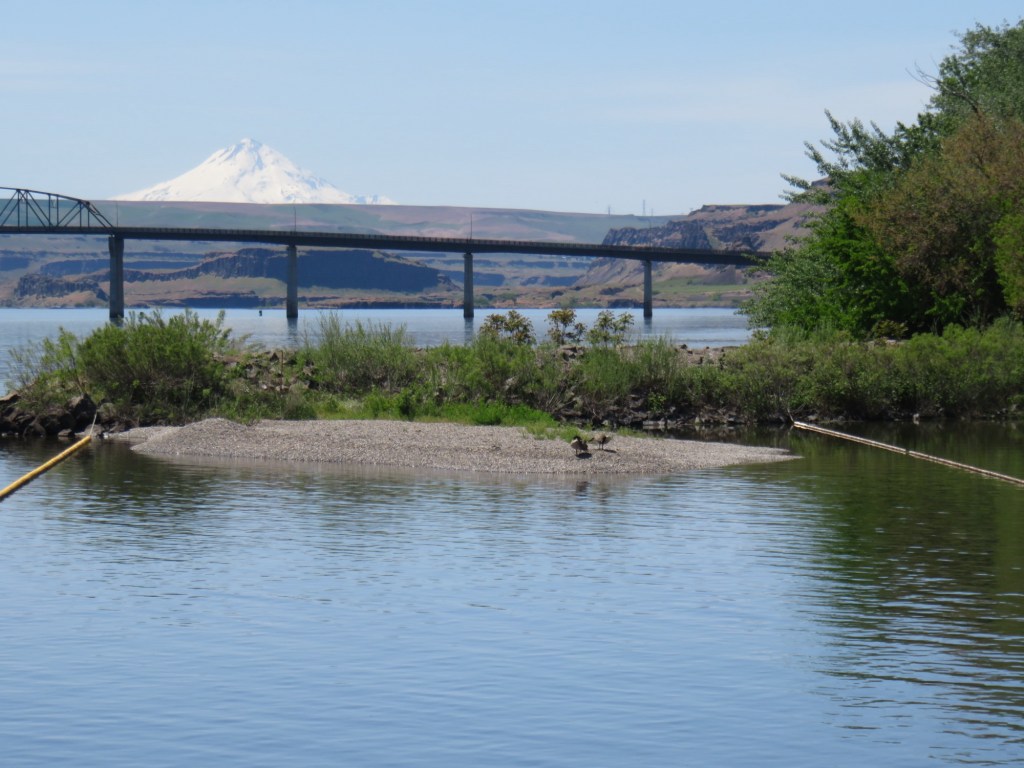
Another sunny day greeted us Thursday morning in Vancouver. After enjoying the free breakfast at the hotel, we started out toward our first state park of the day, Spring Creek Hatchery, located along the Columbia River in Skamania County. We parked on the grounds and walked toward the visitor center, appreciating the view of Mt. Hood across the river.

At the visitor center, an employee was just unlocking the door and we walked in with him. It was a small visitor center with displays about the salmon cycle and a viewing platform to watch spawning salmon, but nothing was happening this time of year.

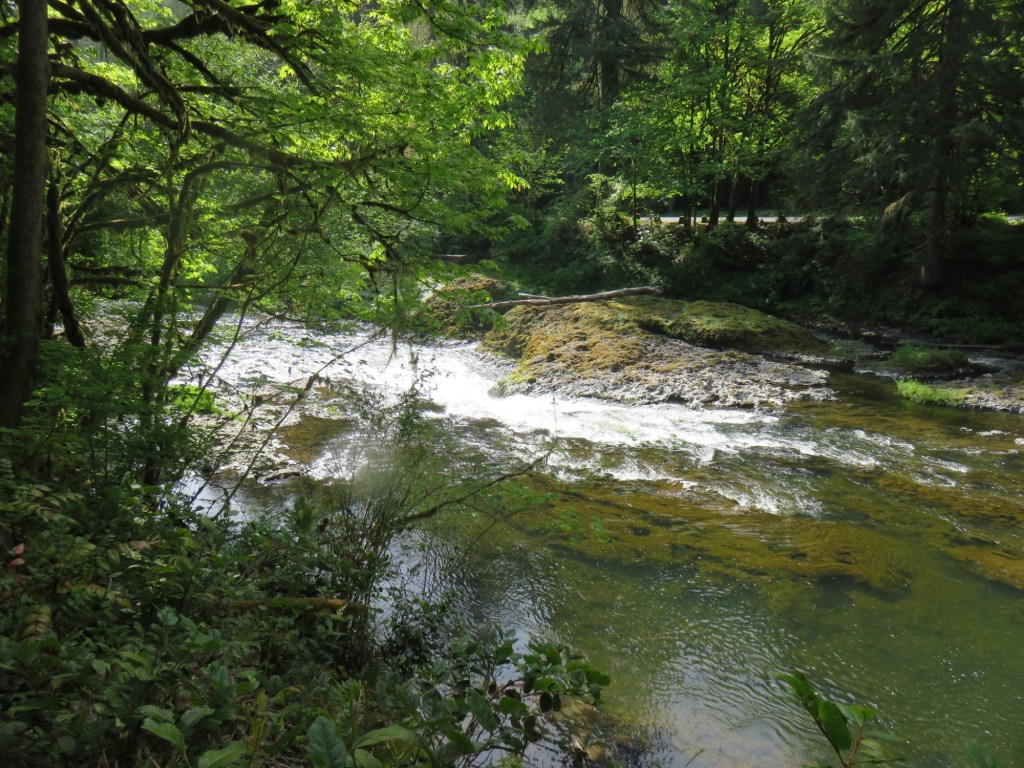
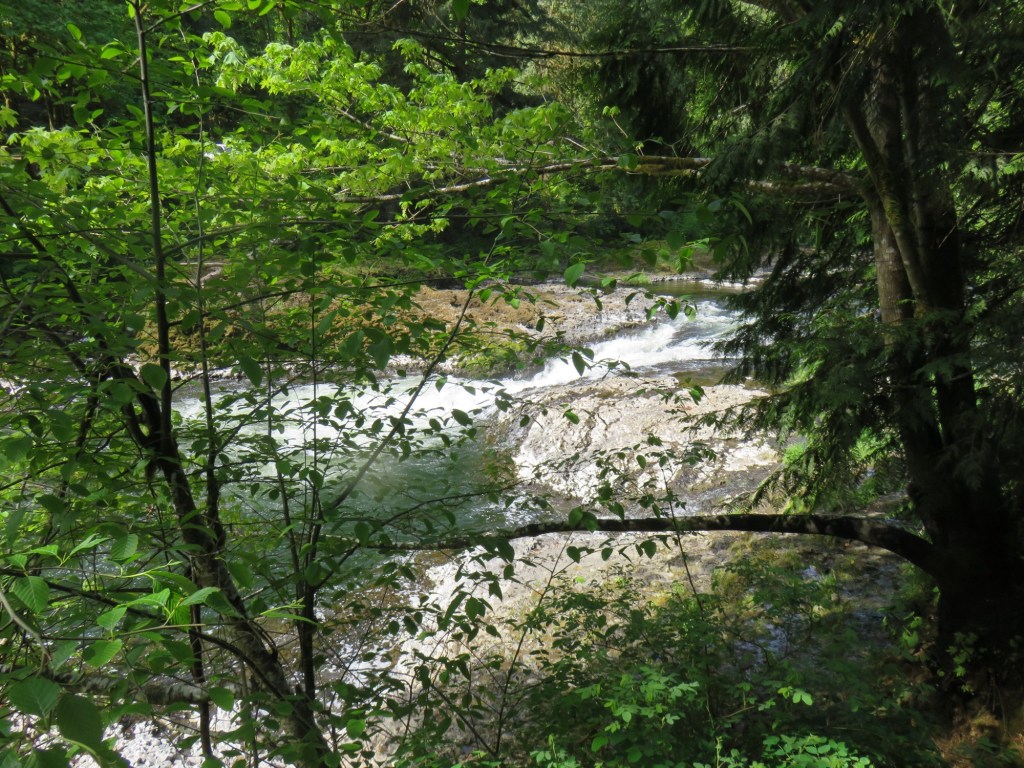
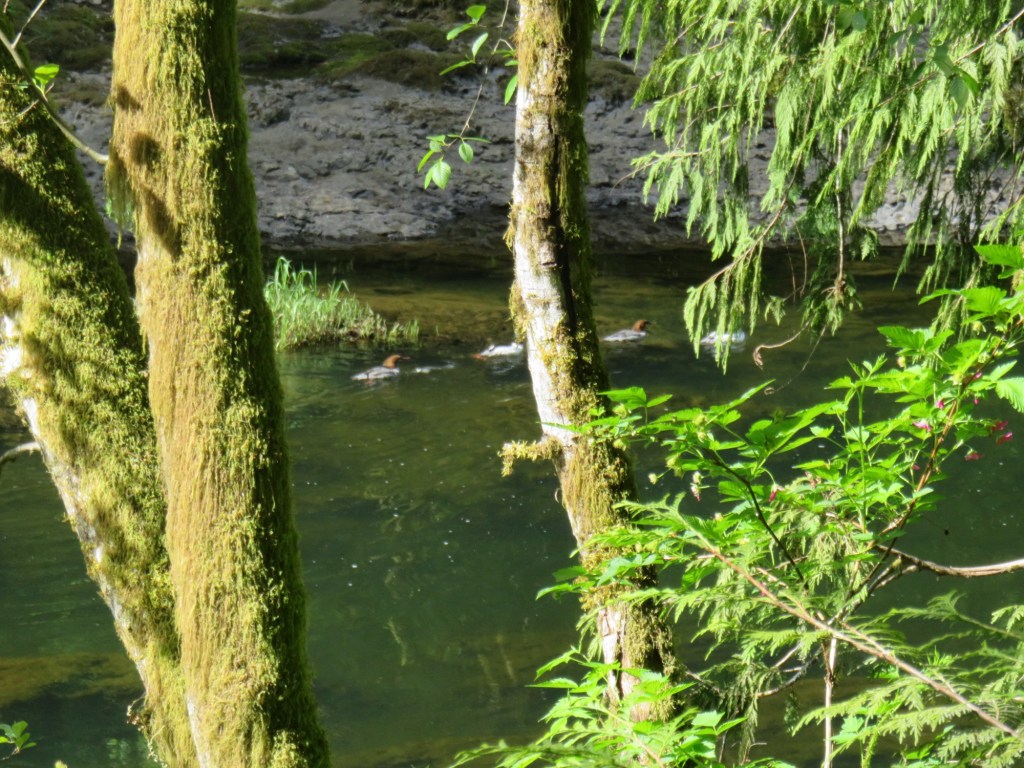
Next was the Klickitat State Park Trailhead in the small town of Lyle. The trail runs along the Klickitat River and about 50 miles up into the dry hills of the Goldendale Plateau. We just stood near the trailhead parking lot to see the river and a few birds that were flying around.
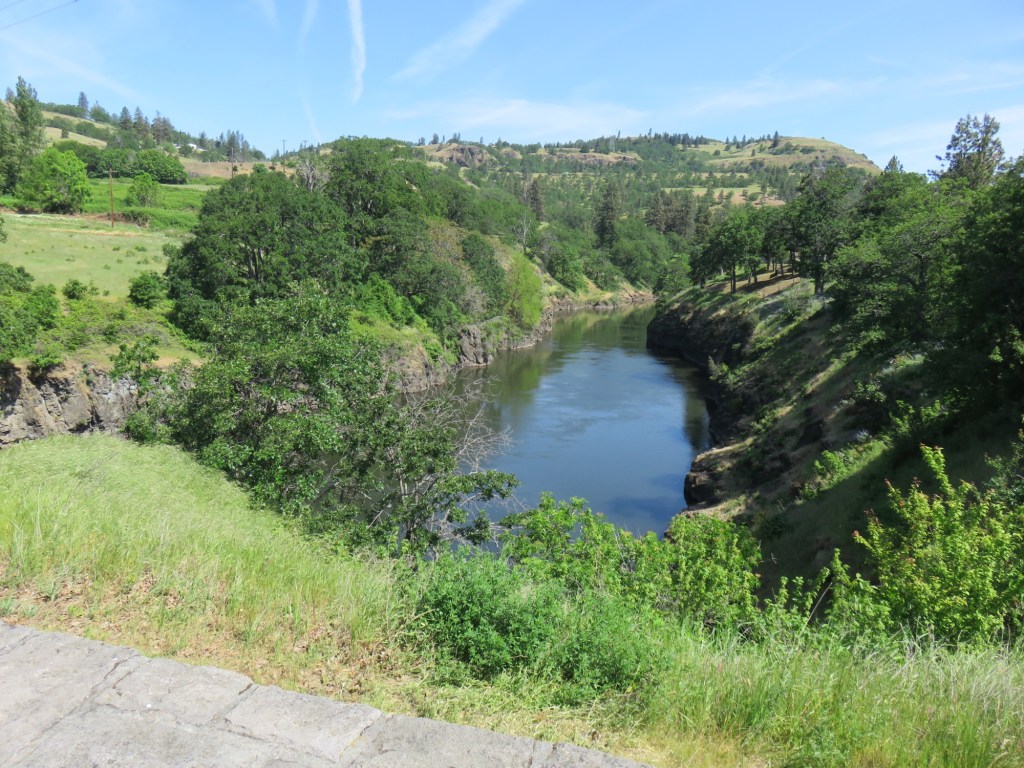
Klickitat River at the Lyle trailhead

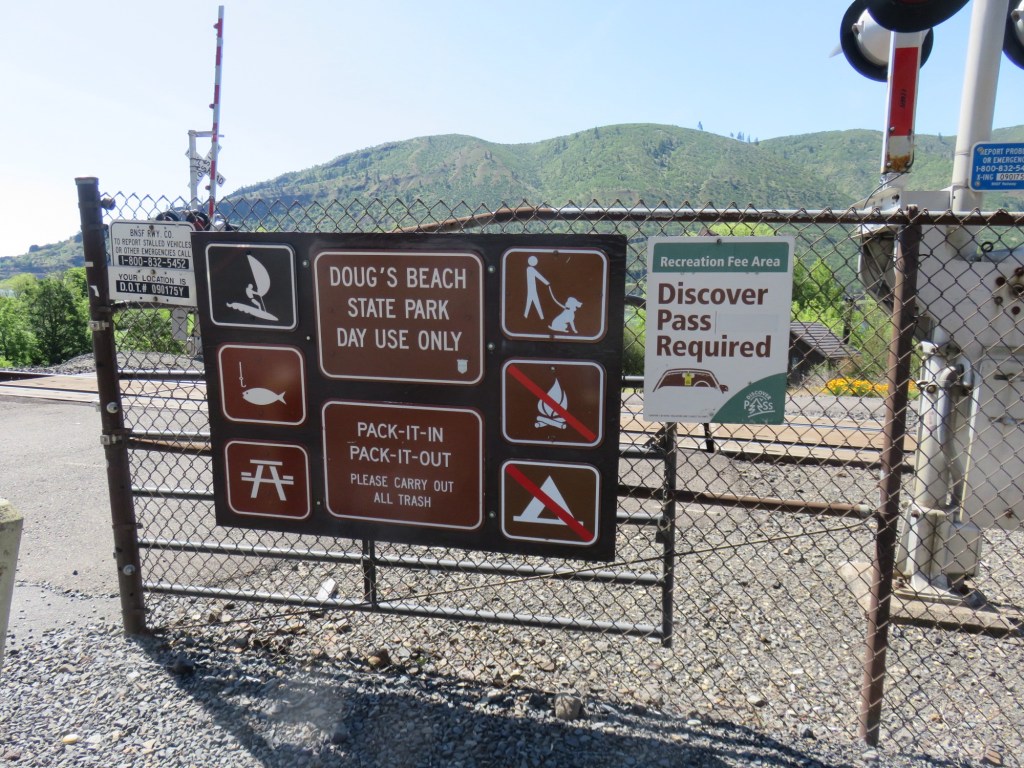
The third park of the day was Doug’s Beach, a very small park that offered a couple picnic tables and undeveloped shoreline along the Columbia River, which we reached by walking over railroad tracks that paralleled the highway. It was a quiet little park, but I imagine the shoreline access is a big draw on summer weekends.
We ate lunch at the next park on my list, the Columbia Hills Historical at Horsethief Lake. The lake is one that was created by a railroad track berm that cut off a little inlet of the Columbia River. The park itself was large and grassy and provided a nice view of the river. We found a dry picnic table between running sprinklers, laid out a tablecloth and enjoyed a lunch of hummus leftover from last night’s dinner plus pita bread we had bought along the way. We saw some Brewer’s blackbirds in the trees around us, plus a Western kingbird and Yellow-rumpled warbler. Quite a pleasant place to eat lunch.
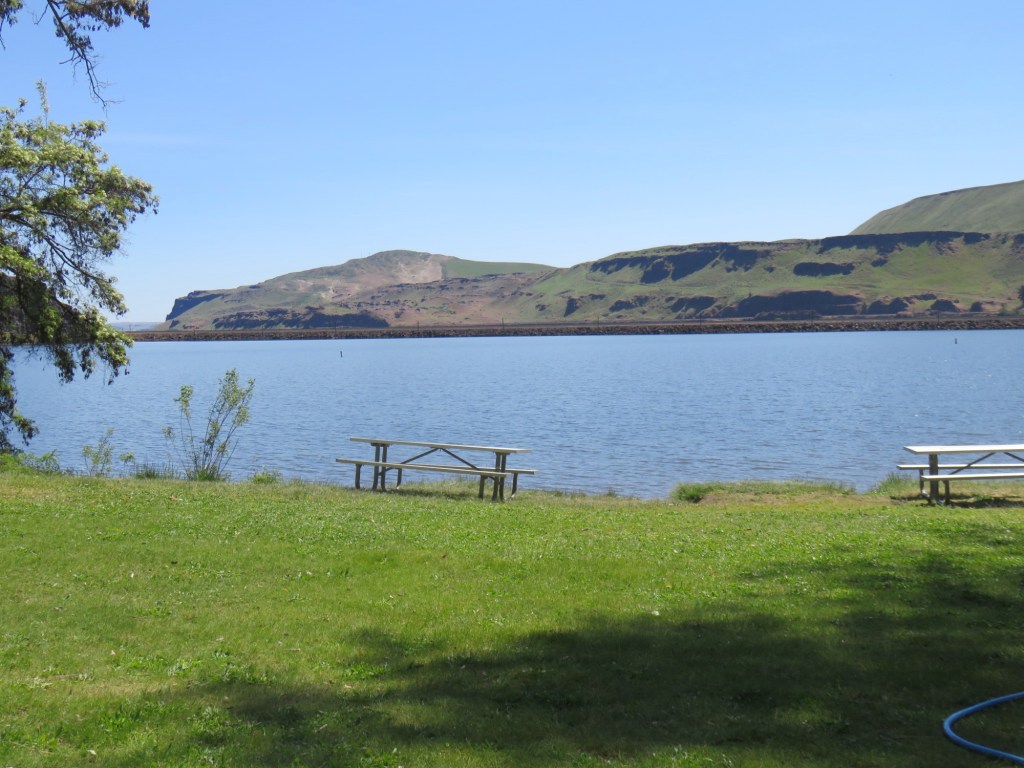
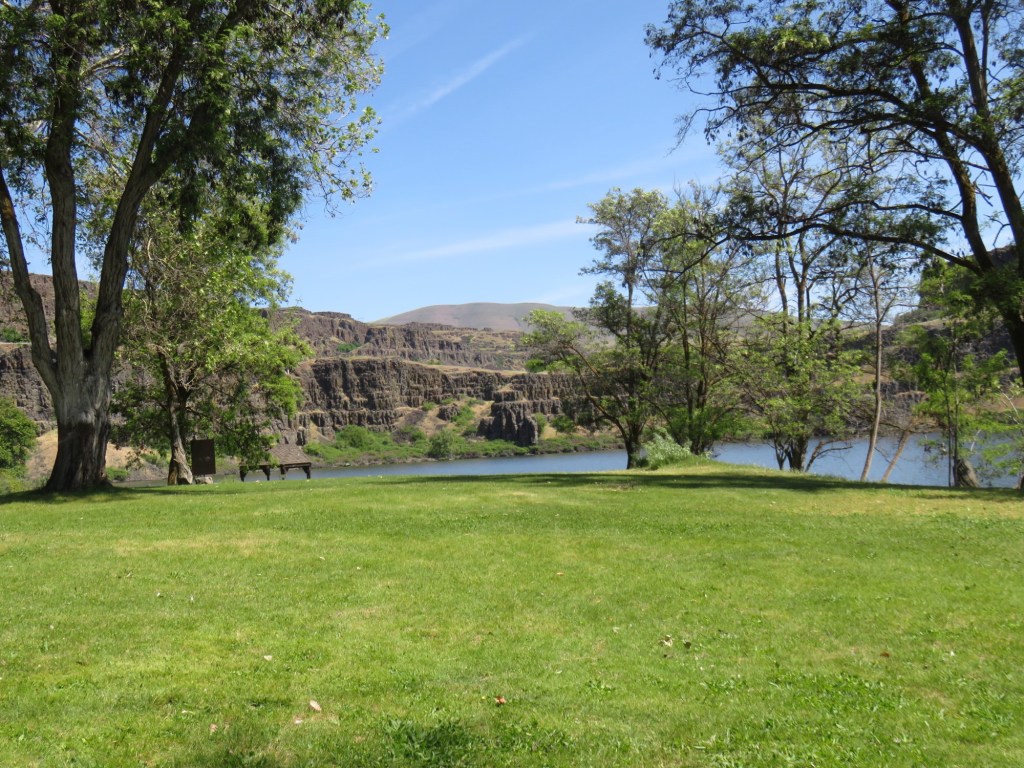
The fifth park of the day was Maryhill State Park, another beautiful grassy and treed park on the river. We walked out onto a small jetty that bordered a swimming area to look back at the park and out on the river. While we were there, we saw a small, dark brown weasel looking back at us. It was very small and cute, and disappeared quickly into the large rocks that made up the jetty.
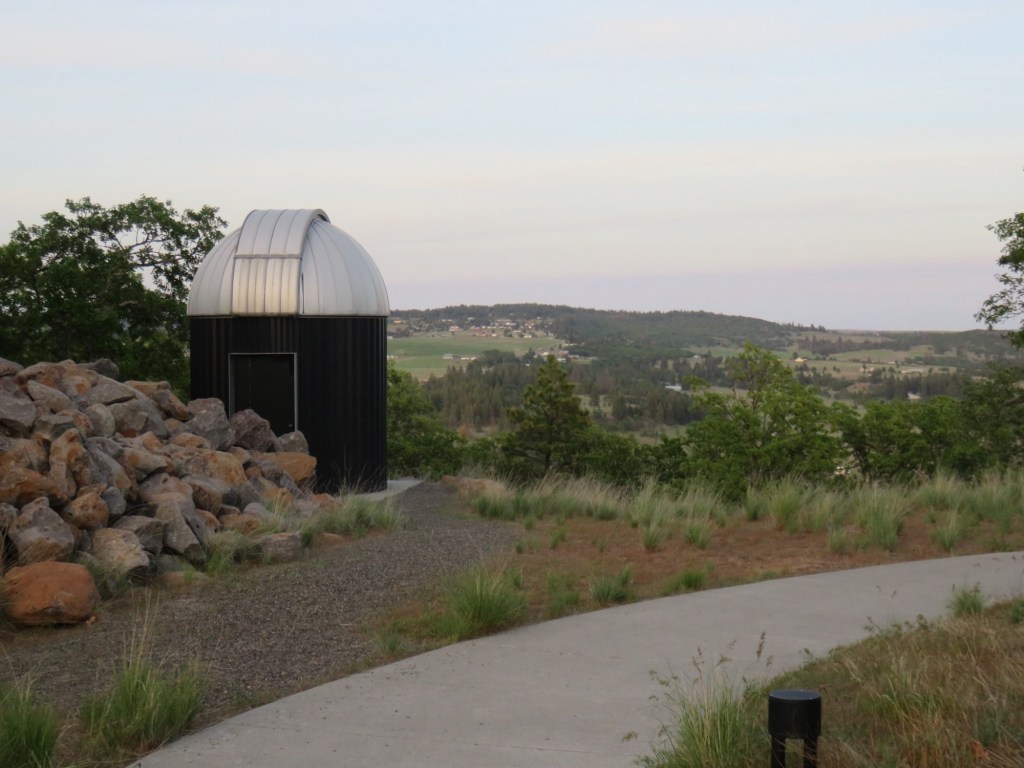
Our final park of the day was the Goldendale Observatory, where we had a 9pm reservation for their observatory show. First we drove there in the daylight to scope it out. Then we returned to the town of Goldendale to make sure the hotel had room for us that night, rested for a bit, then had salads for dinner at the Simcoe Cafe in town.

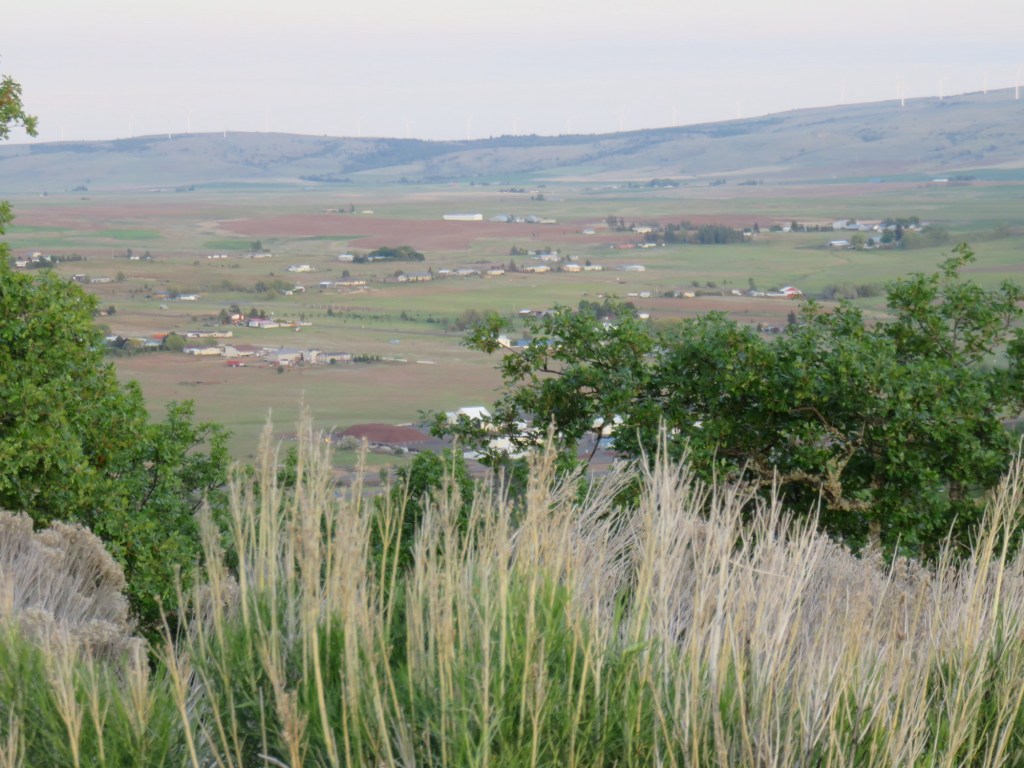
The night show at the observatory started at 9 p.m. but they wanted participants with reservations to arrive before 8:30, so we did. We took a few photos of and from the observatory grounds while we waited. The sun was setting and it was a mostly clear sky.
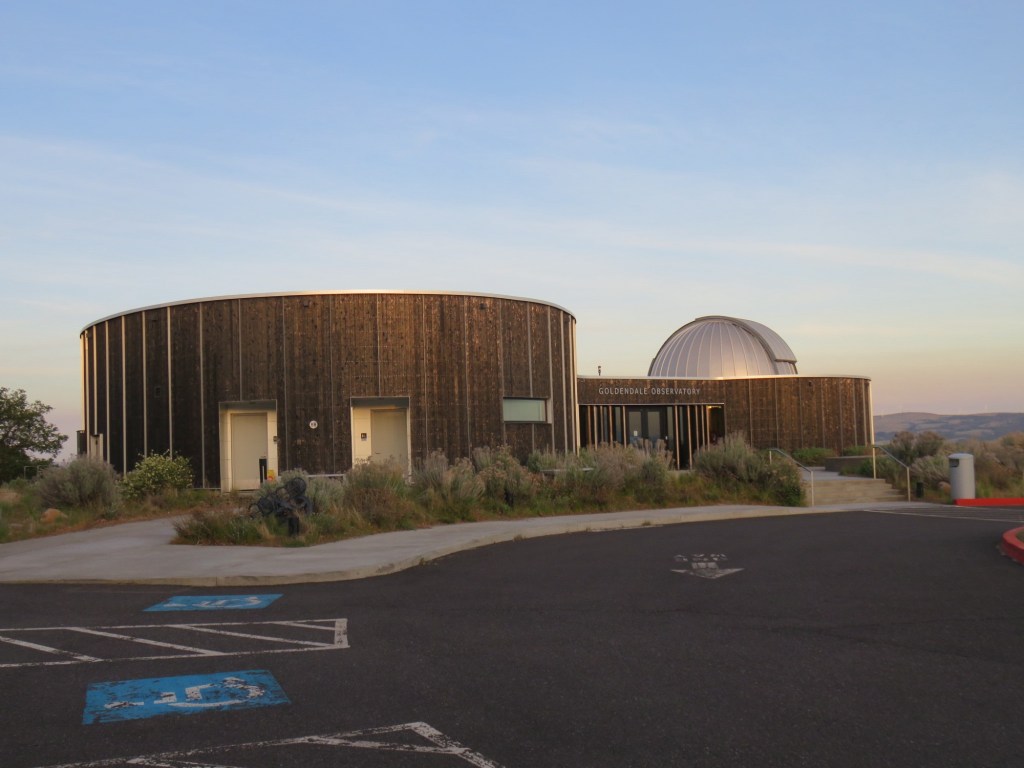
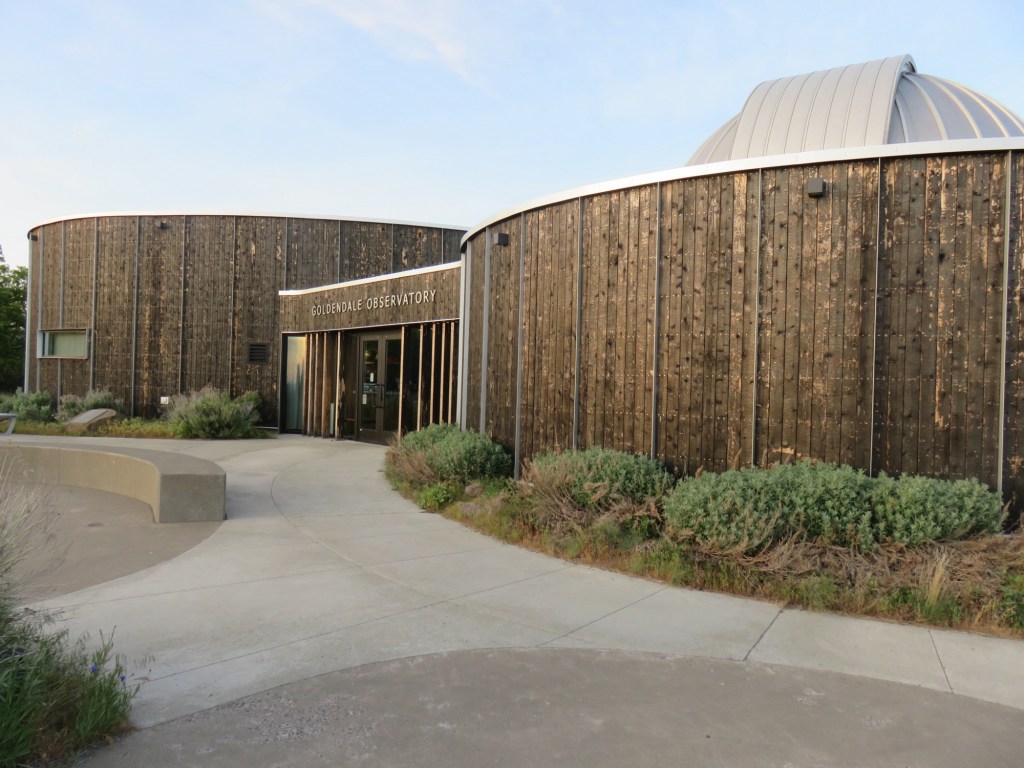
About 40 arrived for the show, and the one and only park ranger who is currently assigned to the observatory was Troy, who was an amazing astronomy expert, very interesting to listen to, and had worked there for 13 years. The other three employees who had previously worked at the observatory had lost their jobs or been reassigned due to state budget cuts, so Troy was giving all the shows: two a day Thursday through Sundays.

We first looked at Jupiter and its moons through the large 24-inch telescope. We also looked at a binary star named Mizar with a 10-inch telescope on the patio of the building. Then we looked at the moon with their 14-inch telescope. Troy was narrating, operating the telescopes, and answering questions through all of this. He also pointed out the International Space Station when it passed overhead, while we looked at it with our bare eyes, and a few other stars and planets. There was a cool wind blowing after sunset, so we were happy to go inside the dome and then, finally, in the classroom on-site.
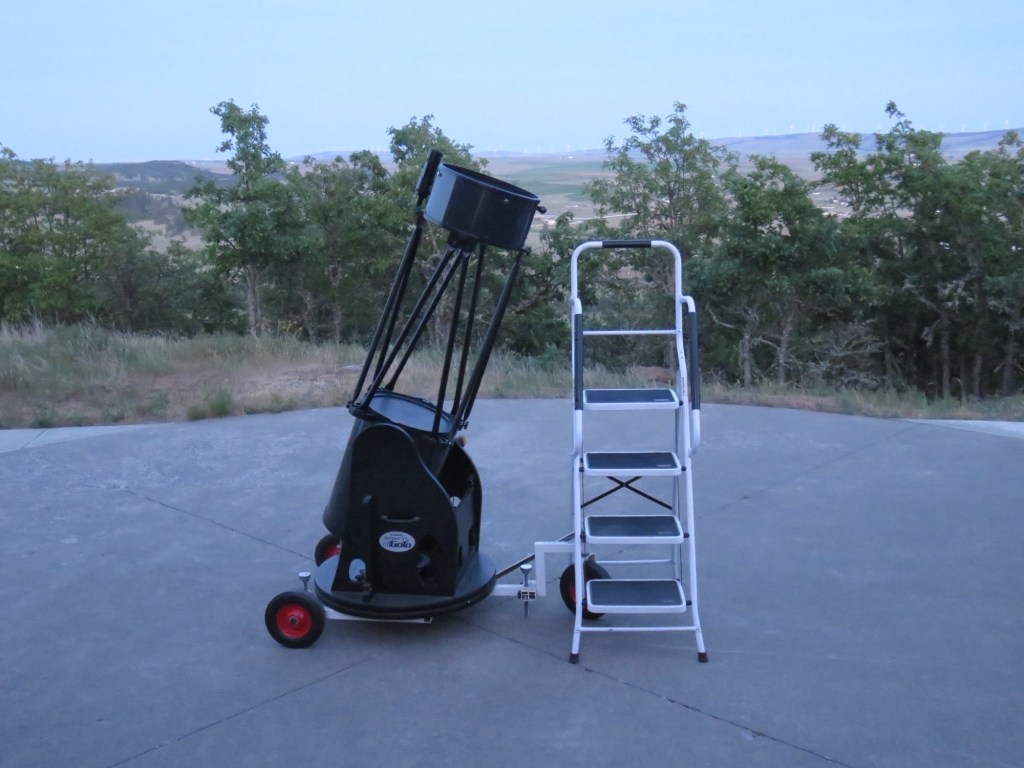
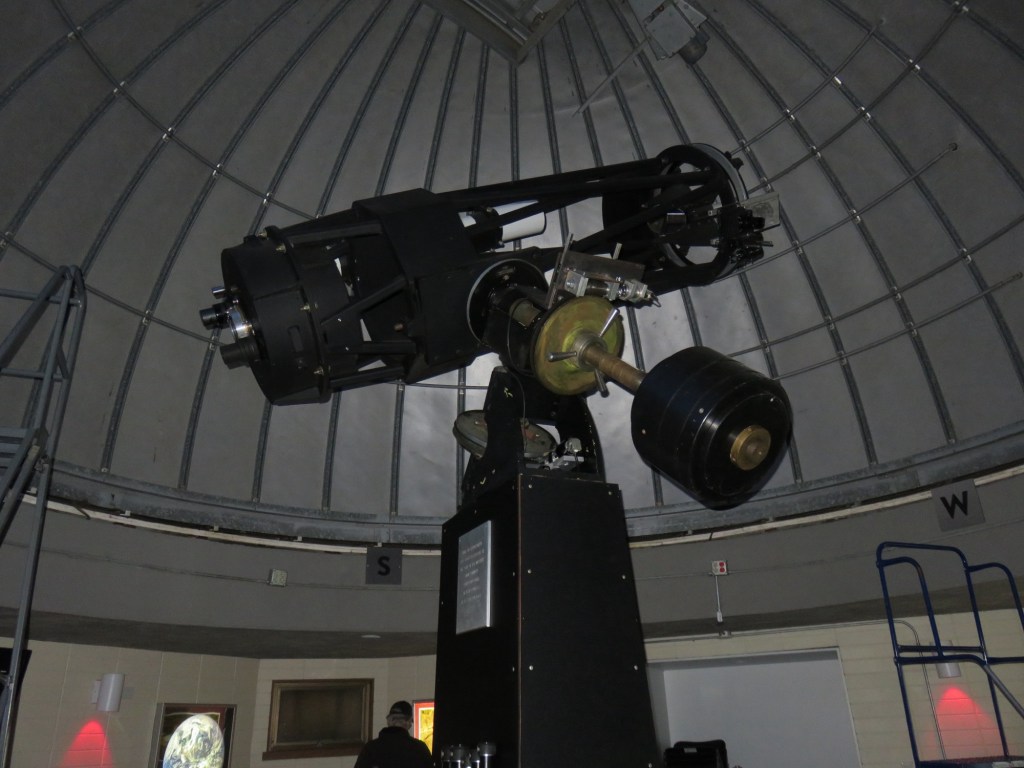
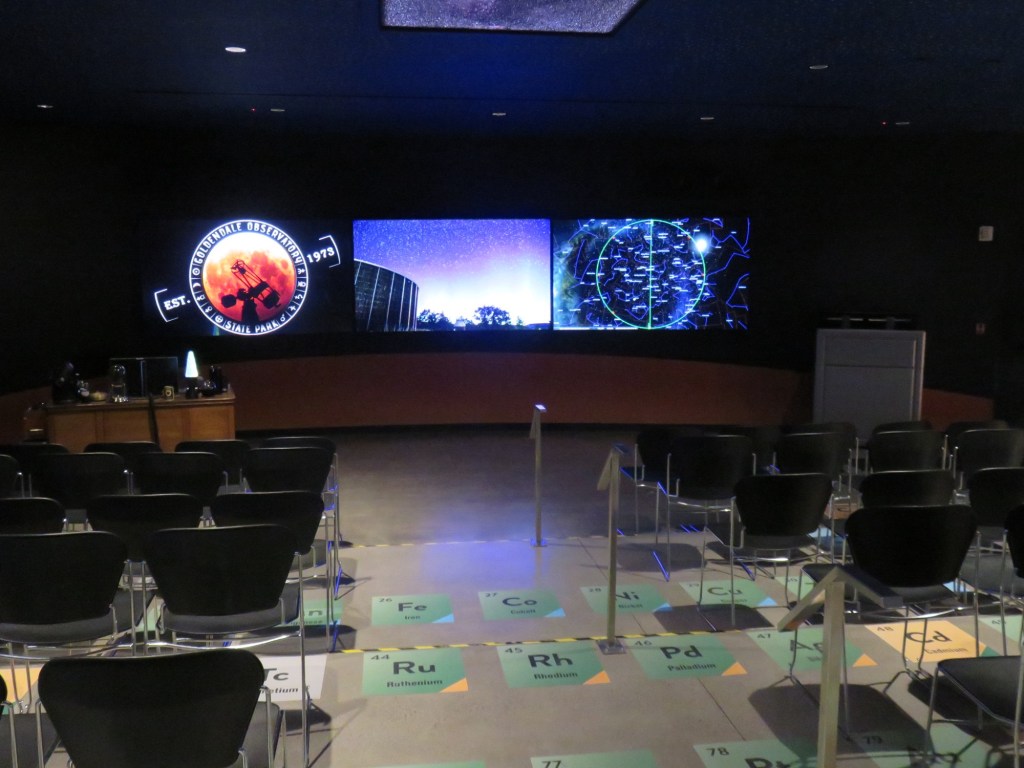
In the classroom, Troy used a great 3-screen TV system to show and talk about several astronomical topics. It was very interesting. We were there until nearly midnight. It was good to finally return to the hotel to sleep, but the show was definitely one of the highlights of the trip.
Refuge Day

Today started out a bit rocky when, after breakfast in the hotel, Dave discovered that one of his tires was flat. Too flat to drive anywhere. Fortunately, he’s a pro at changing tires on Toyota trucks because this was his second truck of that kind, so he was able to put on the spare in the hotel parking lot. Then we drove a block or so to a Les Schwab Tire store and they found a screw in the tire, removed it and fixed the tire, all in about 45 minutes, for free. So what started out bad ended up quite well at about 10 a.m.

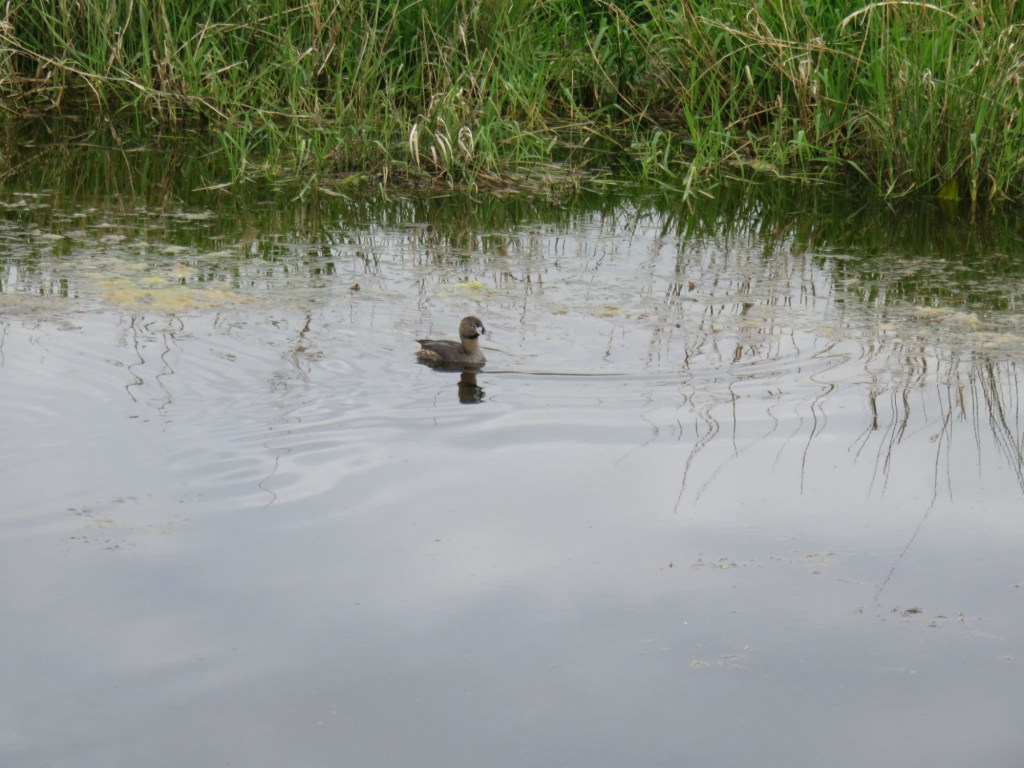
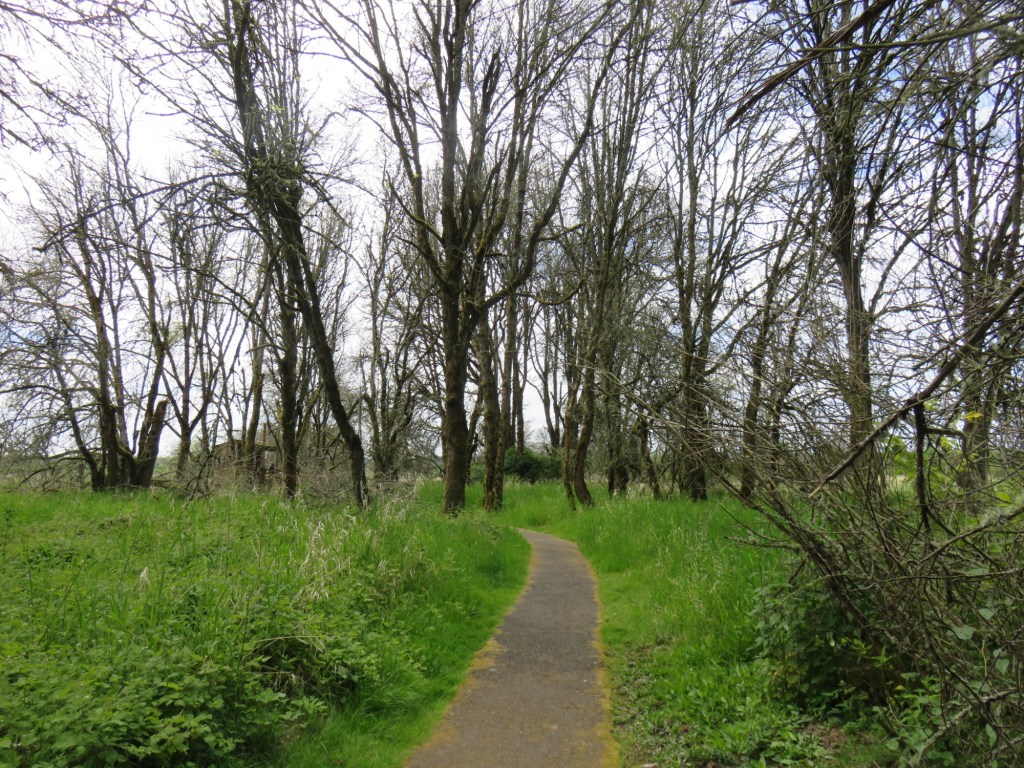
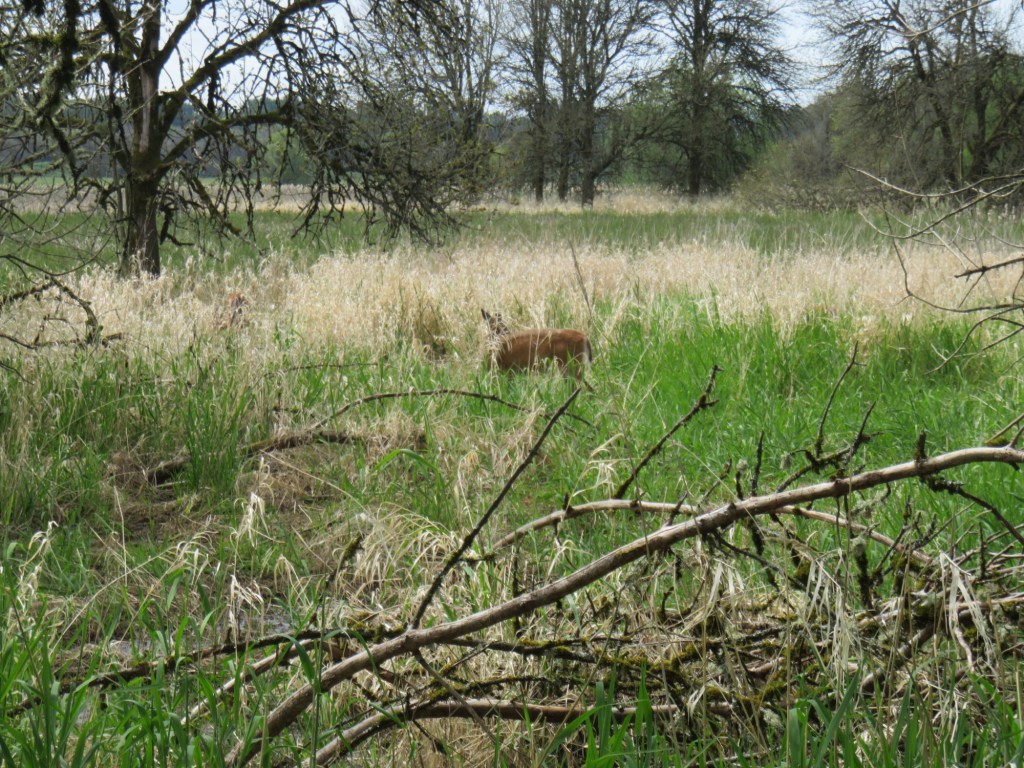
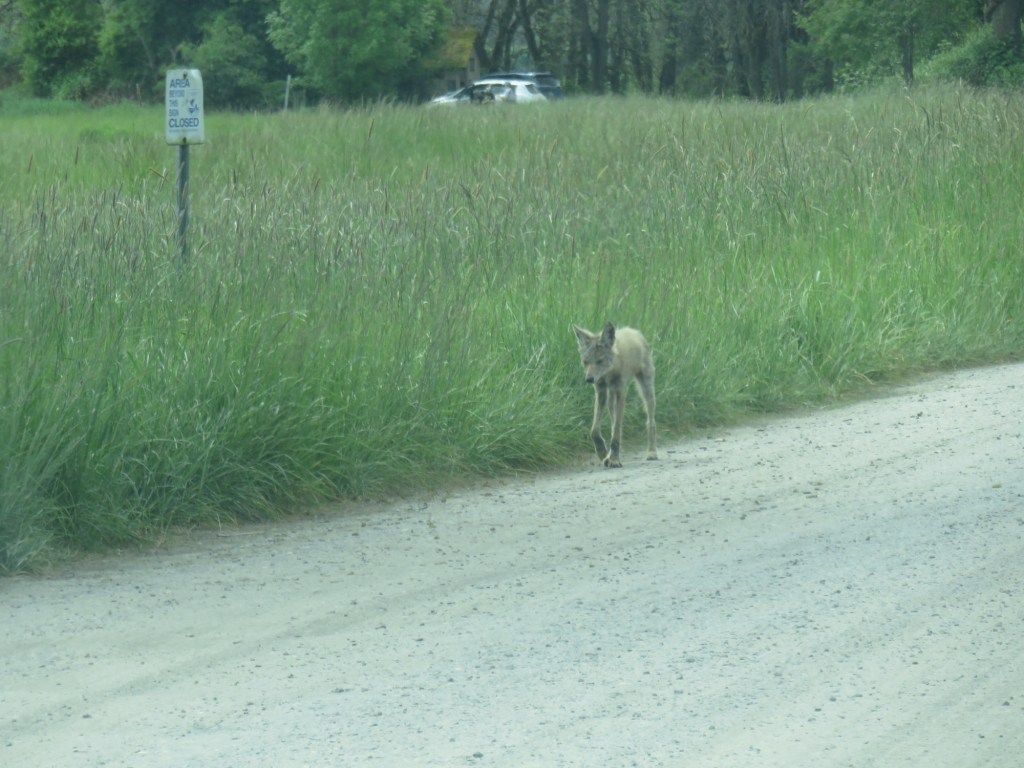
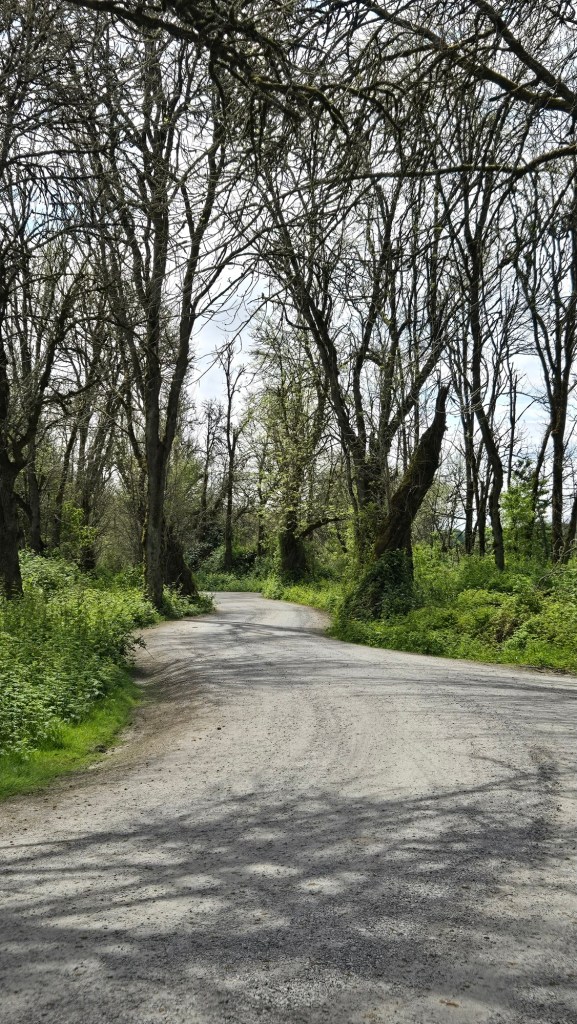
We decided that we wanted to visit the Ridgefield National Wildlife Refuge that was a short distance away from Battle Ground. We drove to the refuge area that has an “auto tour” route and birded from the car as we drove on the gravel road. It was great birding! The day was mostly sunny and the refuge consisted of many marshy areas, meadows, and deciduous forests. The road wasn’t crowded and had places to pull over, so we could get out, or just sit and look while stopped. We saw or heard about 32 species.

The rain held off for the day, although it was overcast and only in the high 60s. We finished about 2:30 and then used Google to find a Best Western hotel in Vancouver. After resting a while, we went to find a Mediterranean restaurant again for dinner, since we liked last night’s food so much.

Eight State Parks in One Day

Today I started on another trip to visit Washington State parks, this time in the south central part of the state. My friend Dave picked me up early from home and we first went in search of a restaurant open early for breakfast. We found one in Auburn, the Rainbow Cafe, arriving there at 7 a.m. just as they opened. I splurged on a huge blueberry pancake while Dave had a hearty omelette.

Once breakfast was out of the way, we continued our drive south, hitting I-5 and heading to the first park of the trip, Rainbow Falls State Park, west of Chehalis. The falls were small, but the south fork of the Chehalis River was nice. We had the park almost to ourselves and it was a lovely warm morning. And we did a little birdwatching. There was a trailhead in the park to the Willapa Hills State Park Trail, which was the second “park” of the trip. We walked on the trail for a few feet to say we had been on it too.

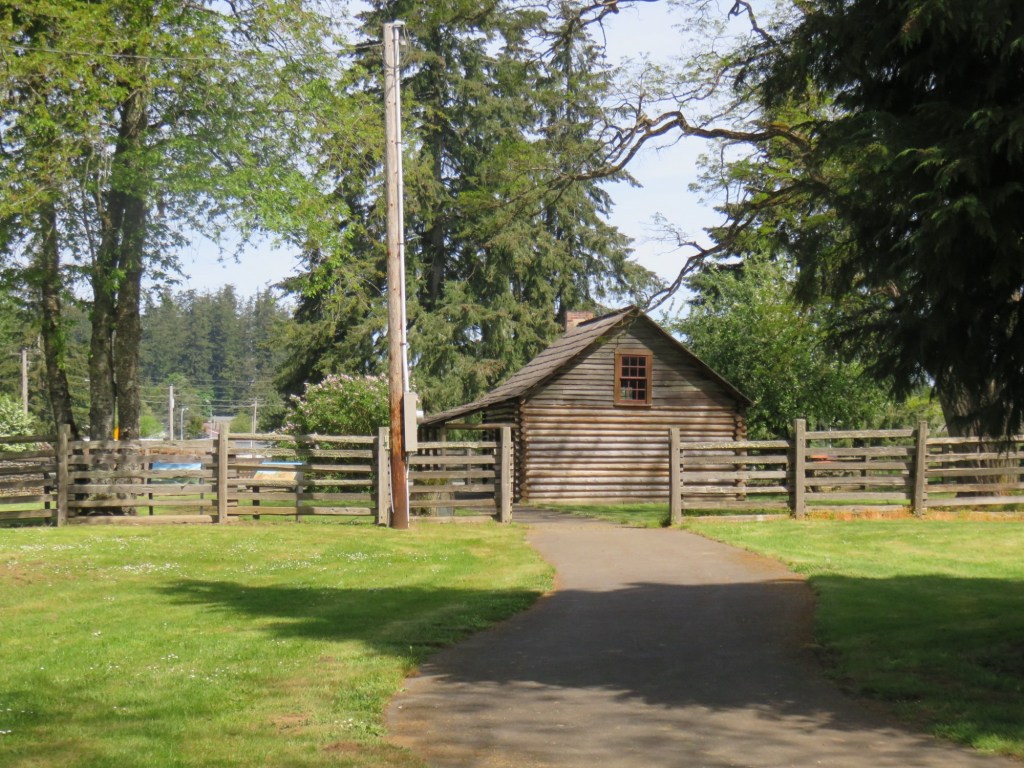
Next was a tiny little park called Jackson House Historical Park, the site of a log house built in the 1850s by the first European settlers north of the Columbia River. It was a 30 minute drive away in Chehalis. We were the only visitors at the time, but a park employee was doing lawn maintenance. We couldn’t go inside, but we looked through the windows to see an old spinning wheel and other tools of the day. Then we were on to the third park.

Jackson House

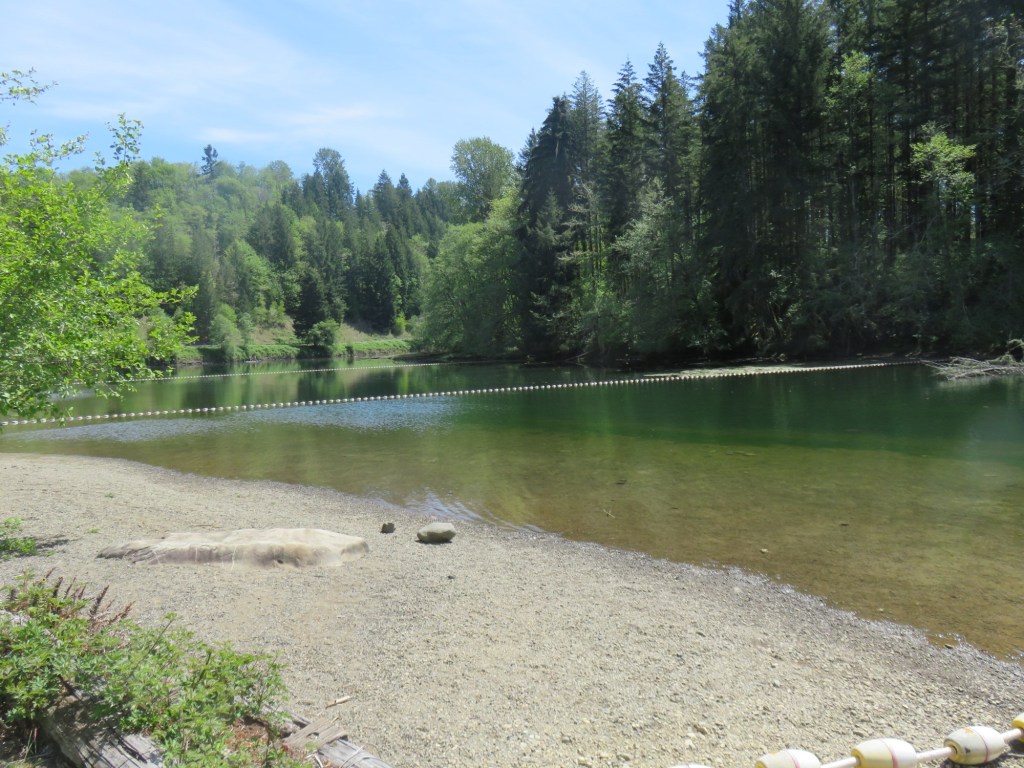
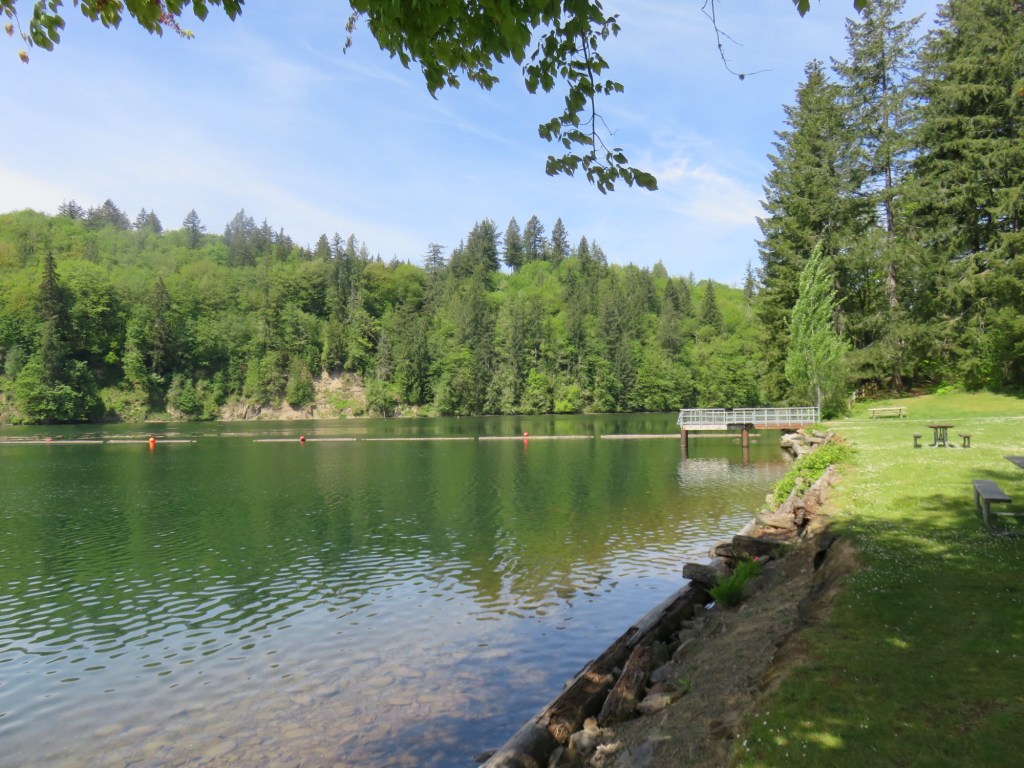
Ike Kinsey State Park, named after a Cowlitz Tribe member who owned the land, was the next on our list and our favorite of the day. It’s located on Mayfield Lake, with a swimming beach and nice fishing pier. There were paddle boarders, kayakers, and fisher people on the glassy lake. It was quite warm by noon. We looked at fish in the lake from the fishing pier and enjoyed the sunshine.

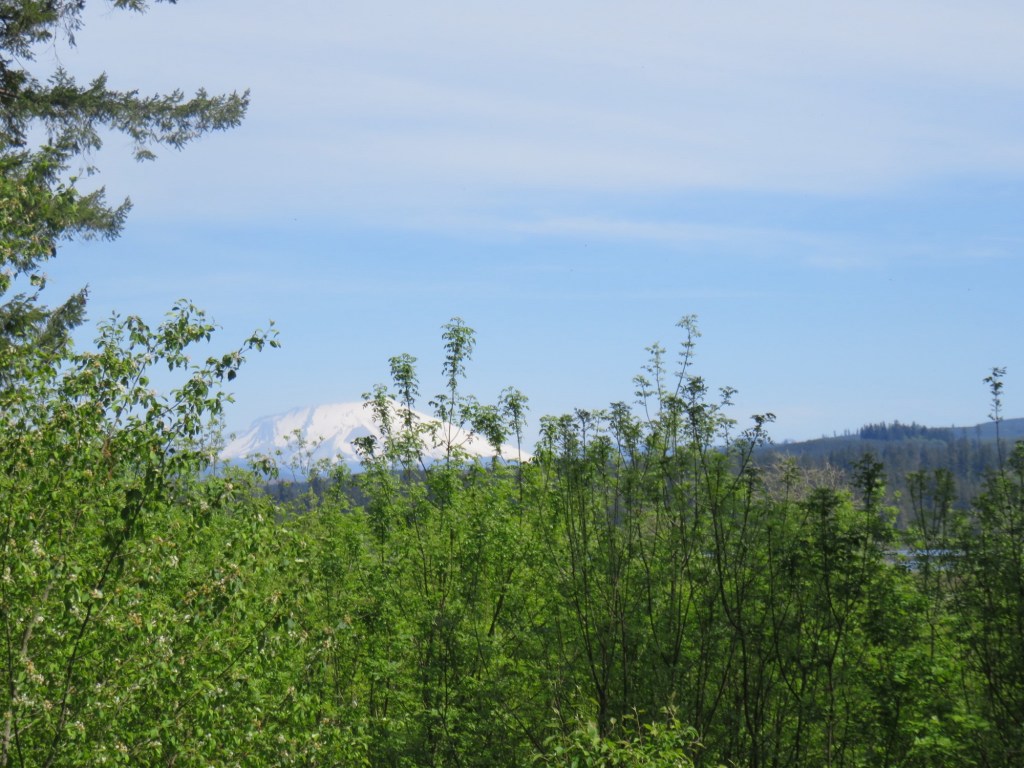
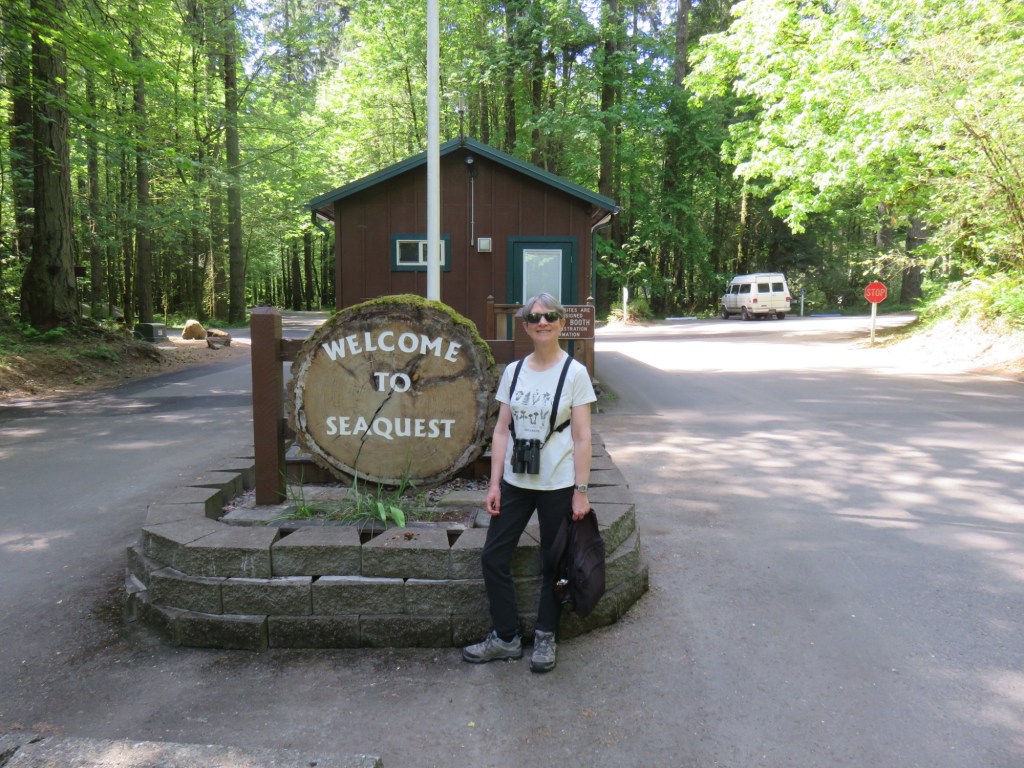
From there, we continued south to Lewis and Clark State Park, then Seaquest. Both were beautifully wooded parks, and we watched a mother Robin feed her chicks in a nest in a bush while sitting at a picnic table at Lewis and Clark. Seaquest is the location of the state’s Mt. St. Helens visitor center, but it was closed for remodeling. But we did get a glimpse of the volcano through the trees.

The last two parks of the day were a little disappointing. Paradise Point is right next to and under the I-5 freeway. We didn’t even get out of the car, although a river ran through the park and it was woodsy. Battle Ground Lake State Park was crowded with people wanting to swim in the little lake after work on this sunny and warm spring day, so we didn’t linger there either. And we were tired from all the driving.

We used Google Maps to find a nearby Best Western Hotel in Battle Ground for the night. After checking in, the manager recommended a restaurant called Pita House nearby for a Middle Eastern dinner. It was very good food, especially since we hadn’t eaten lunch. A good first day of the trip!

Ecuadorian Frogs

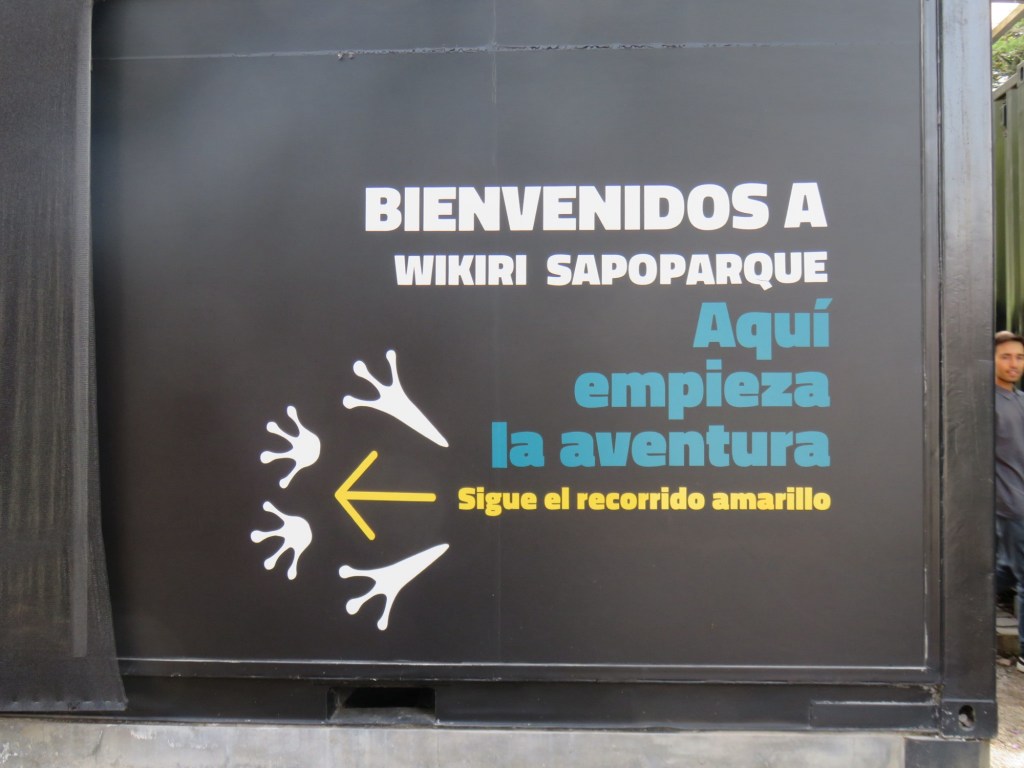
Today, Saturday, is my final day in Ecuador. I start heading home very early tomorrow from the Quito airport. The power was out overnight from 12 to 3 a.m. again. It has been a relaxed day with breakfast at 6:30, then some time watching birds and talking with other guests at the breakfast table. Then at 9 a.m., just when the power was due to go out again, we left for a tour of a frog research center called Wikiri. Mercedes had arranged the tour for us and a taxi to take us there. It was a 45 minute ride to a smaller town outside Quito.

Wikiri Frog Park’s welcome sign and a glimpse of our guide on the right edge of the photo

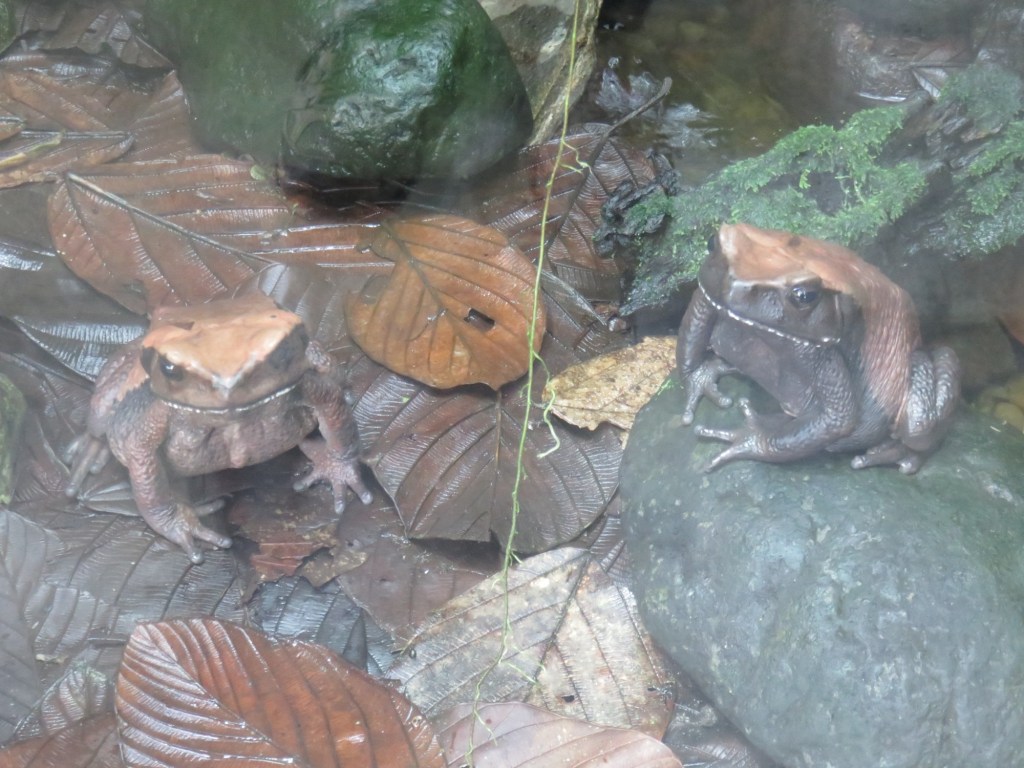
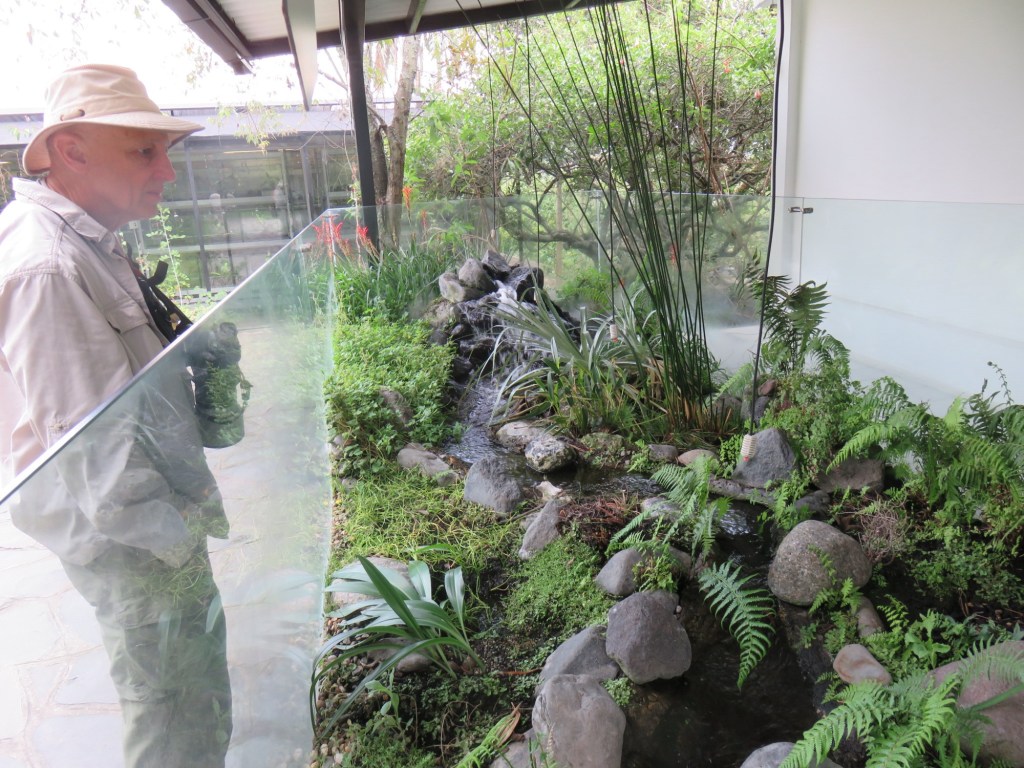
Our guide, Pedro, was a young Ecuadorian who spoke very good English. He took us on a 2-hour tour of the facility which was quite impressive. Most of the terrariums with frogs were housed in nice used shipping containers placed in a circuit around the campus. We learned lots about the native frogs of Ecuador, of which there are somewhere around 400 species, and the work being done to conserve and study them. we even ,earned about the food that’s grown for them, from little flies to cockroaches. And we sampled some baked meal worms, which were not bad at all, and flour made from crickets and spiced with various spices.

When the tour finished, the taxi driver who had brought us was waiting outside to pick us up. We also brought along some crickets that Mercedes had ordered from Wikiri to feed her 7 frogs.

We arrived back at Puembo Birding Garden hotel about 12:45 and the power was still out, even though it should have come on at 12. Mercedes and her daughter warmed up our lunch somehow, which the other guests had eaten a little earlier. It was chicken tamales and salad, with blueberry sherbet for dessert, all very good.

We spent the afternoon relaxing in the dining area, watching the birds and talking with a couple from Houston who were about to start a birding tour on Monday. It was about 75 degrees and sunny, and so much more comfortable than the heat and humidity of the Amazon. The power finally came back on about 2:45 p.m.

Tonight I’ll pack and try to get to sleep early after dinner at the hotel. A taxi is coming to take Nathan and I to the airport by 5 a.m. tomorrow morning for my 7 a.m. flight to Miami and then Dallas, then Seattle. Nathan will stay another night at an airport hotel and then return to Cuenca on Monday.

Andean Condors and Shining Sunbeams

We woke up this morning, Friday, at 5:30 during a power outage. But Mercedes had warned us last night so we were ready. I got dressed by the light of my headlamp. Today was the day for a birding tour of Antisana National Park. Mercedes put out breakfast food for us to serve ourselves, including croissants, granola, yogurt, juice and fresh fruit. The power returned at 6:00 and we ate breakfast outside, near the bird feeders. The weather was clear and the temperature was in the low 50s, very refreshing after the heat and humidity at Yachana. Driver and birding guide Luis, the same one who brought us to Quito yesterday, picked us up at 6:30.

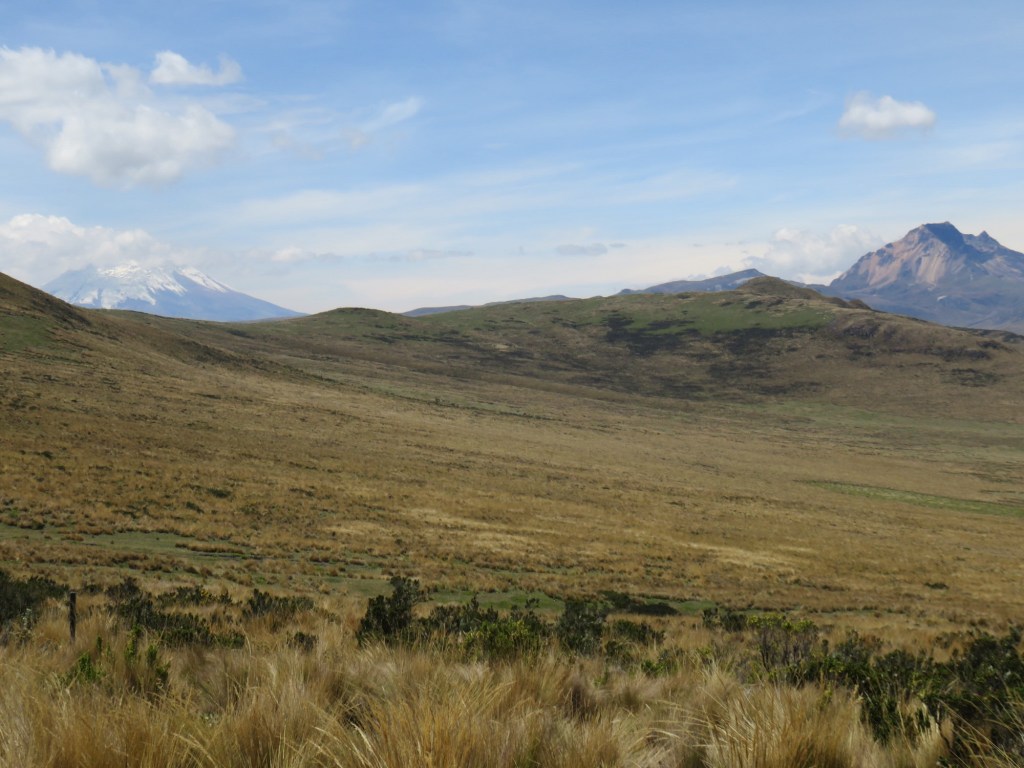
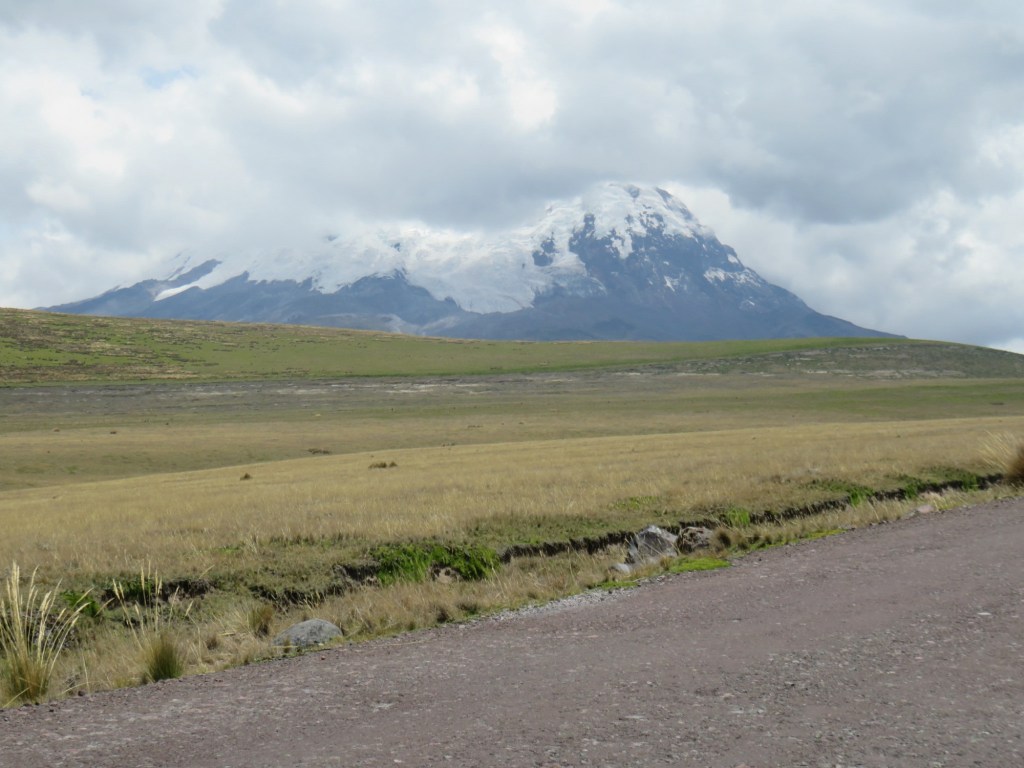
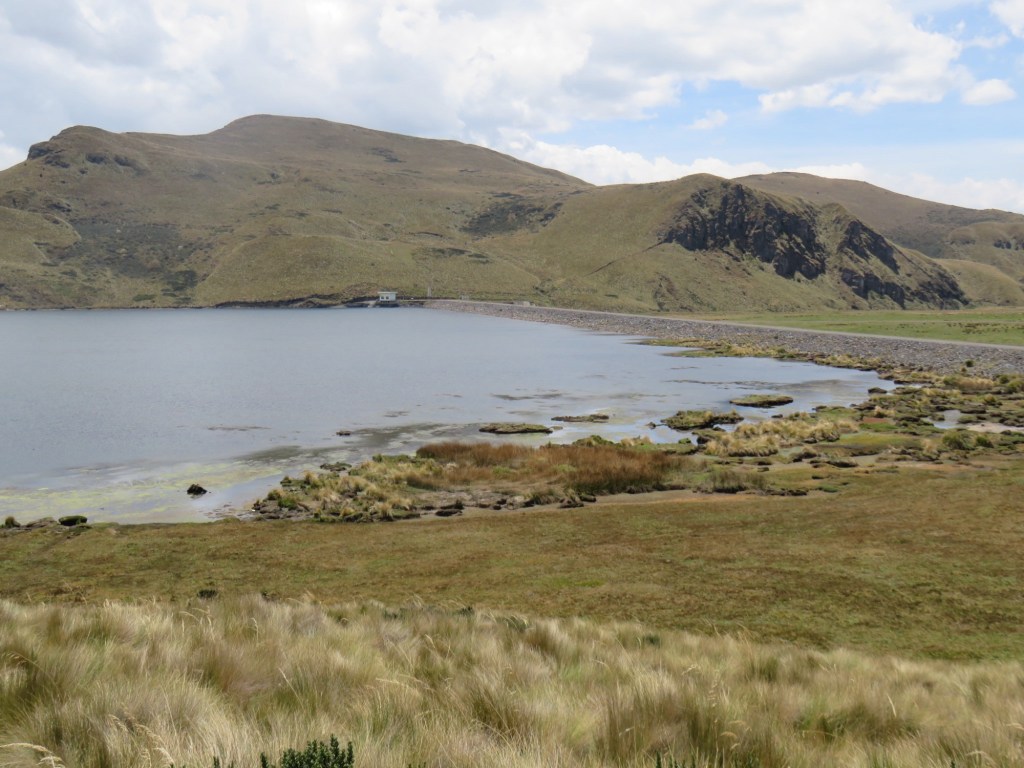
We drove through a few towns on the way to the park, climbing all the time. The park is above the tree line, and is classified as páramo. There’s a dam reservoir named Mica Lake at the highest point you can drive to and that was our ultimate destination. But we stopped many times along the way to find various birds, climbing in altitude all the time.

At the lake, we walked along a path to a point where we overlooked the lake and had a good view of the birds in the water. There were several types of ducks. We could also see a mama and baby llama, several alpacas, many deer and several horses from that point. The lake is the source of some of Quito’s water.

After returning to the car, we drove back down out of the park, stopping to see more birds. Not far outside, we stopped at the Tambo Condor restaurant, famous among birders for its view of Andean Condors as they soar above a cliff on the other side of the valley. We ate a good lunch there among many other birding groups while looking out their large windows at a few condors and three or four species of hummingbirds at the restaurant’s feeders, including the aptly named Shining Sunbeam that’s mostly orange and has rainbow colors on its back.

It was a good day not only for birds and sightseeing, but also for my Spanish practice because Luis understood some English but didn’t really speak any, so I talked with him only in Spanish. The drive back to Puembo Birding Garden took about 90 minutes and we arrived about 3:30. We thanked and said goodbye to Luis. I’m still tallying up all the birds we saw, but it was a lot.