Final Days of the Vacation

(This post is delayed because the internet connection at Pacuare was unavailable during our last two days there.)

On Wednesday, we awoke at Pacuare Reserve with the howler monkeys again, before dawn, even though it had been a very short night after seeing the leatherback nesting. We had a 6am nature walk scheduled with Angel and didn’t want to miss it because it was a chance to see the trails leading away from the maintained grounds. Guests aren’t supposed to go on trails without a staff member/guide for safety reasons, i.e. snakes. So we again met Angel and he took us on a wide, flat, but very buggy trail that paralleled the beach. The walk was about an hour round-trip, with the farthest point being a large pond in the forest where Agami Herons nest in May and June. They weren’t there now. He showed us various interesting plants, animals and birds along the way, but there were so many mosquitoes and other pestering bugs that we were continuously slapping them away. We returned a few minutes before breakfast and were happy to go into the screened dining area.
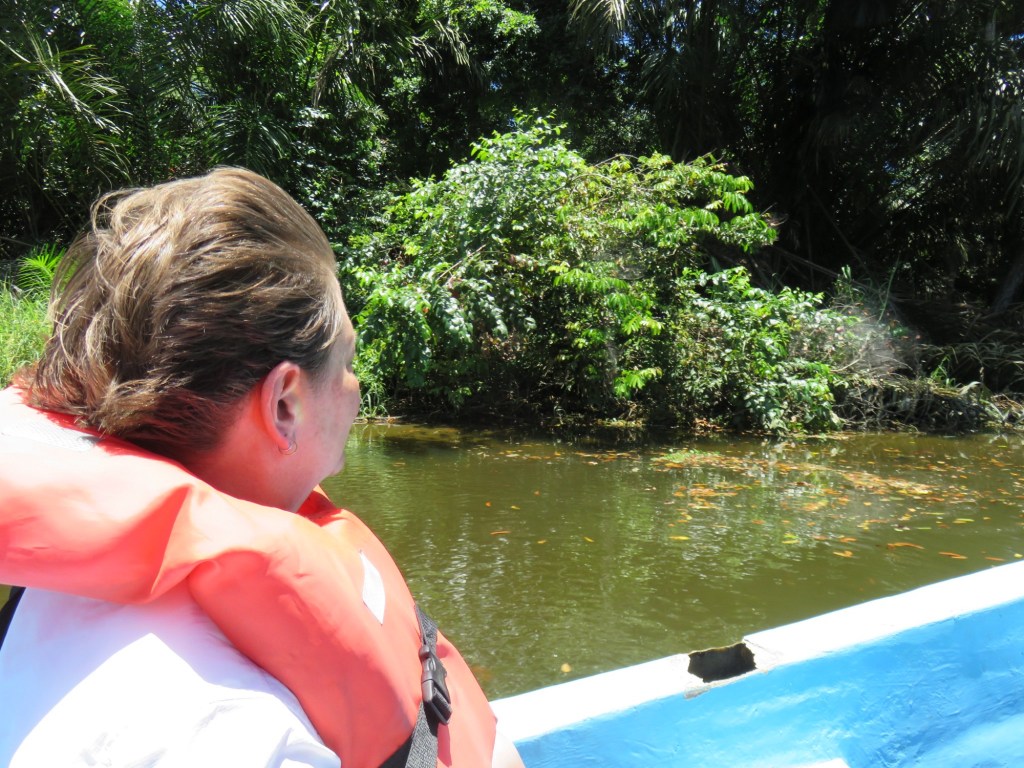
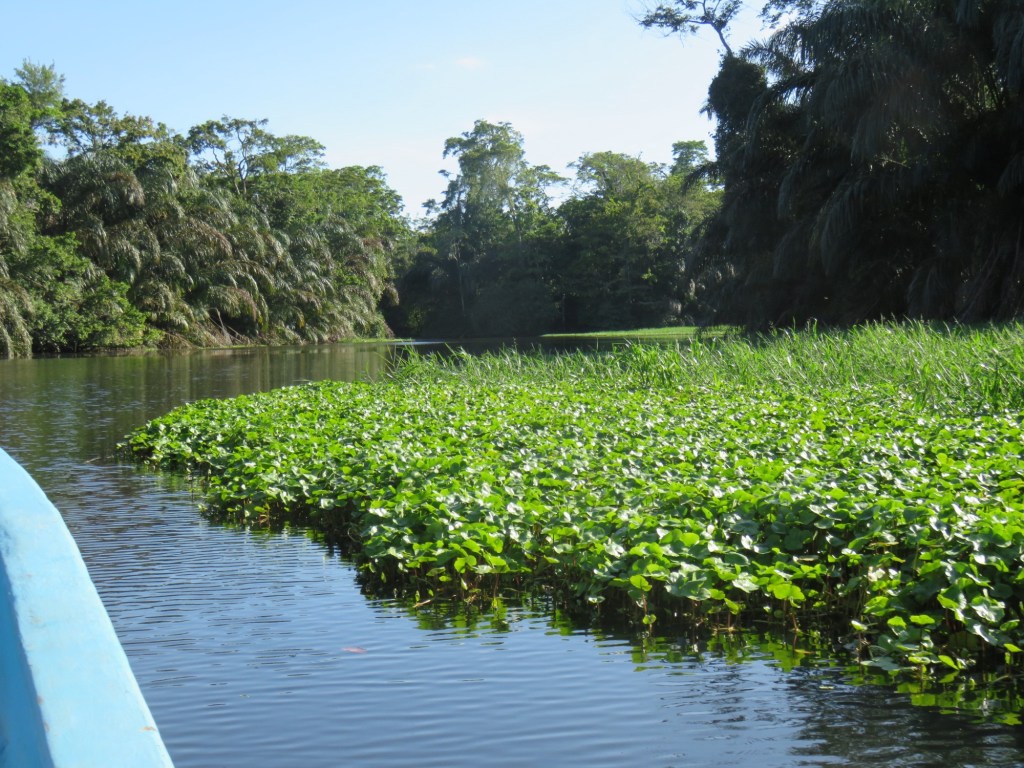
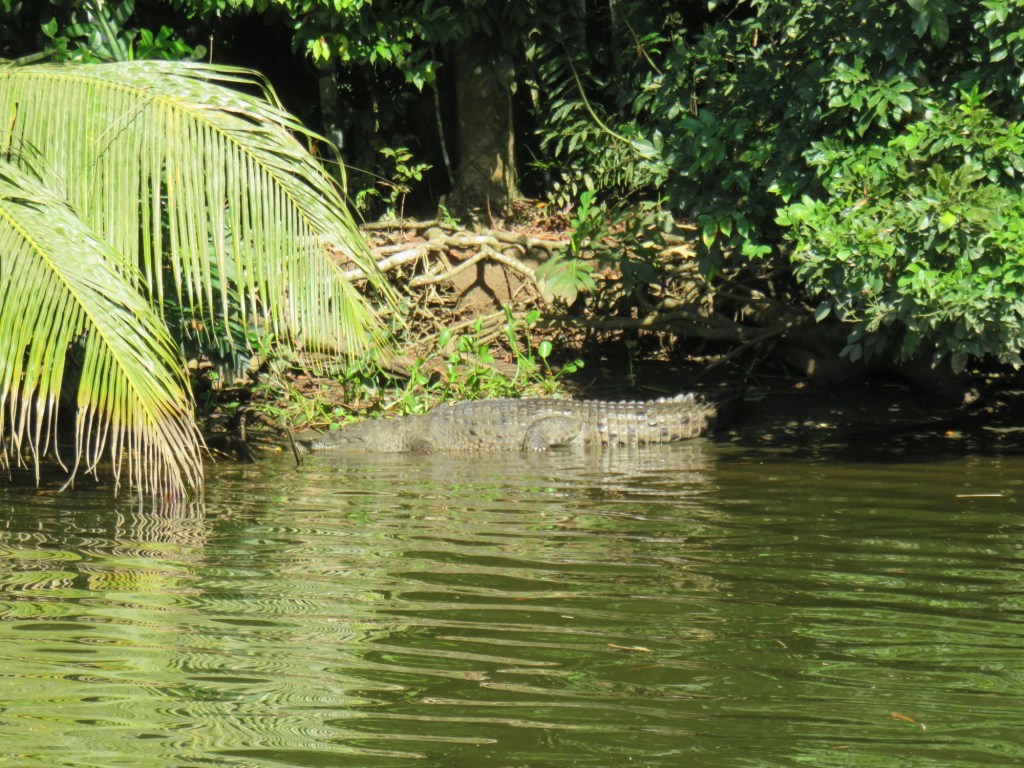
Our afternoon activity was a boat ride scheduled at 3pm. We joined Eder, two French-speaking guests, and Lola, a French-speaking employee. The breeze felt wonderful as we sped through the canals looking at birds. We saw a crocodile sunning itself too. Before returning about 5pm, we stopped at a dock on the main canal where there was an open-air bar. Stephanie and I bought a bottle of beer each and a bottle of Coke for Eder. The beer tasted great but we were badly pestered by mosquitoes the whole time and were happy to get back in the boat.
After dinner back in the Pacuare dining room, we returned to our room in the dark, took cool showers, and went to bed.

Howler monkeys in the morning next to our room (turn sound on to hear)

On Thursday, our final full day at Pacuare, we looked forward to two more boat rides, one of which was an afternoon trip to the mouth of the Pacuare River. From there we would walk to the northern Pacuare Reserve station, a smaller location associated with our southern location, where a few scientific assistants were staying to conduct turtle surveys from there. We really liked this trip, which included only Eder, Stephanie and I. Michael took us three by boat to the river mouth, then we got out and began a slow and interesting walk along the shoreline of the Caribbean on a trail that also led through a very small community. As we walked, Eder told us (in Spanish) about residents who fish in the surf on the bar where the river meets the sea and about Costa Rican life and issues for residents. It was a very relaxed walk and fun to talk with him and learn about non-touristy things in Costa Rica. We ended the walk at the northern Pacuare station, where Michael picked us up in the boat on the canal side of the island and returned us to our accommodations at the southern station of Pacuare.

After dinner, we were guided by Eder on a night walk of the grounds around our Casa Grande, where we encountered large land crabs, spiders, army and leaf-cutter ants, and a kinkajou in a tree. No snakes, thankfully. Earlier in the day Eder had also pointed out a two-toed sloth in a tree close to our room. Before this night walk, Stephanie and I had prepared as well as possible for all the mosquitoes that we knew would be out there, with head nets and liberal repellent application.
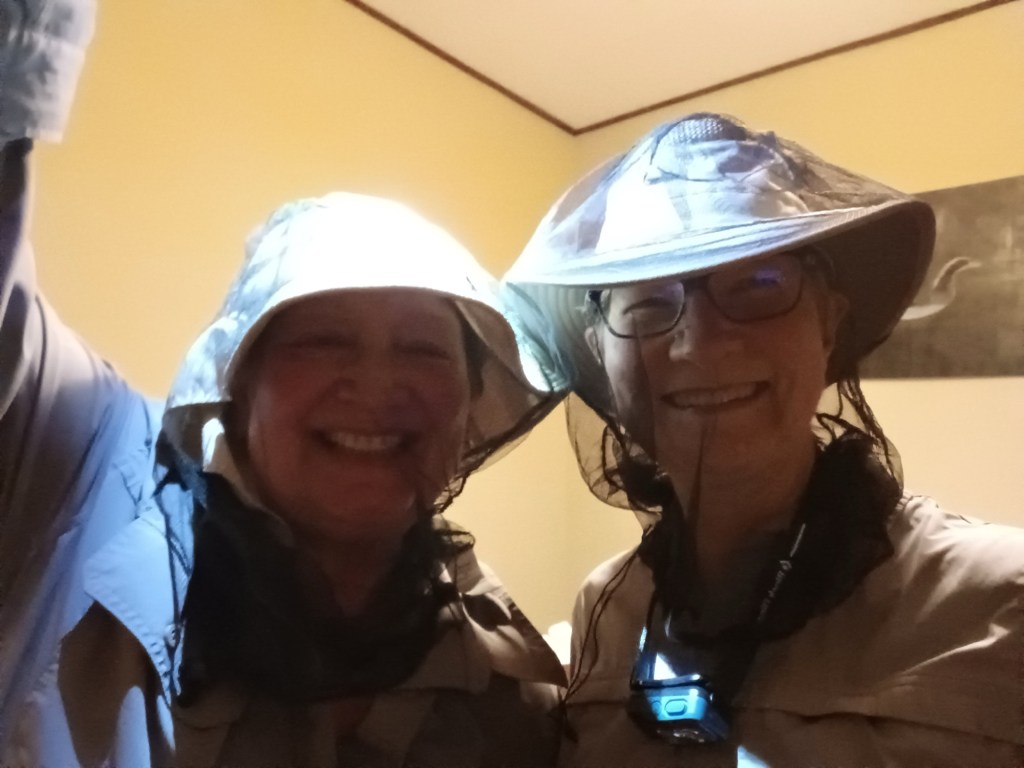
Ready for the night walk

Friday was our travel day, returning to San José for our flight home. After breakfast we packed up and got in the launch at 10am with Michael for the ride back to Goshen dock.
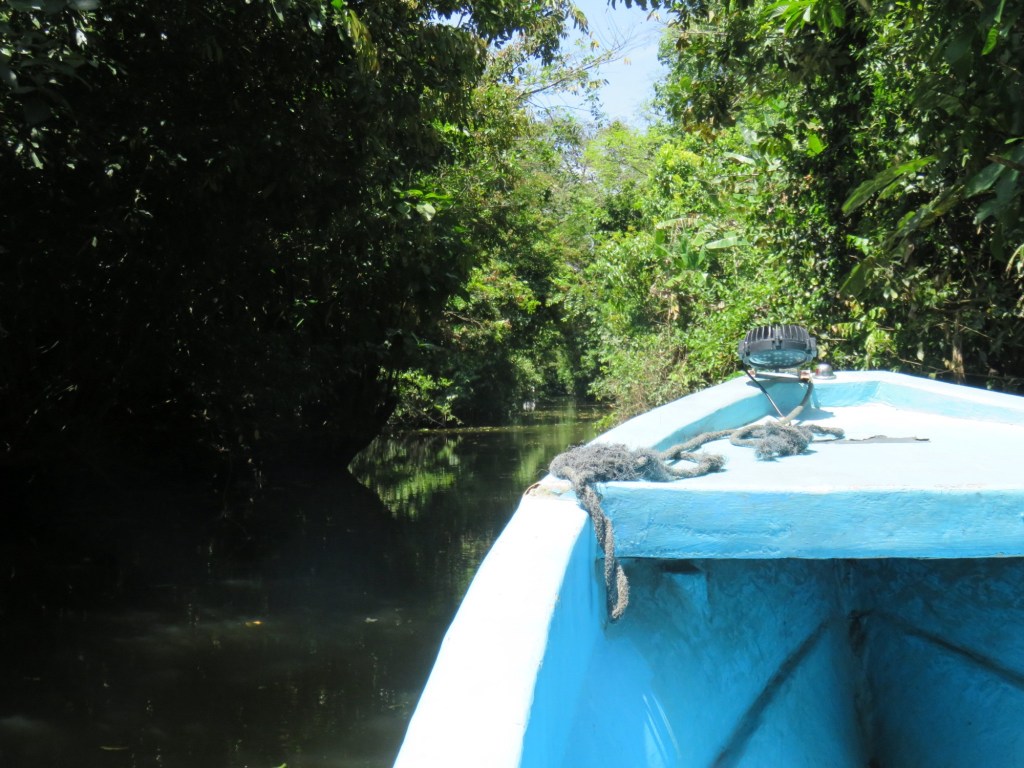
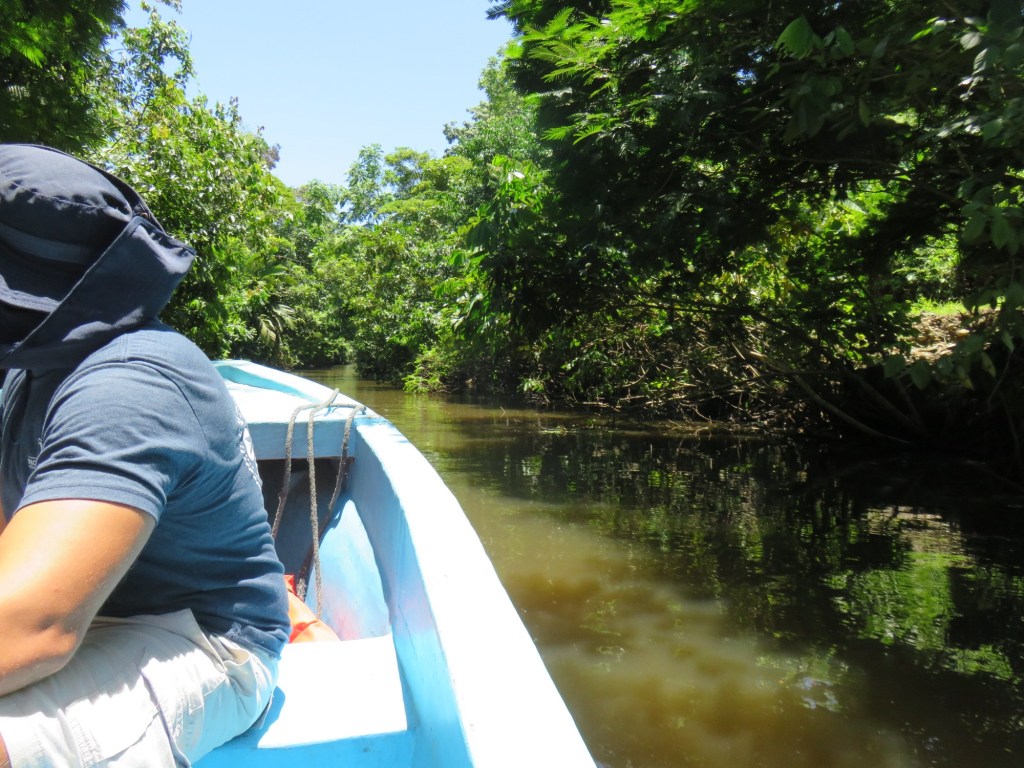
Returning up the narrow Pacuare River to Goshen dock.

Rolando was at the dock with his car, ready to drive us halfway across the country. We were happy to see him and quickly got in the car to avoid the horrible mosquitoes at the dock. During the drive, we told him about our stay at Pacuare and other parts of our trip. He is a very good driver, patient with our poor Spanish, and a very nice man. He even indulged our desire to make a short stop to buy Churchills for each of us. It’s a shaved ice, condensed and powdered milk confection that’s flavored with fruit syrup, which we found in the town of Siquirres en route.

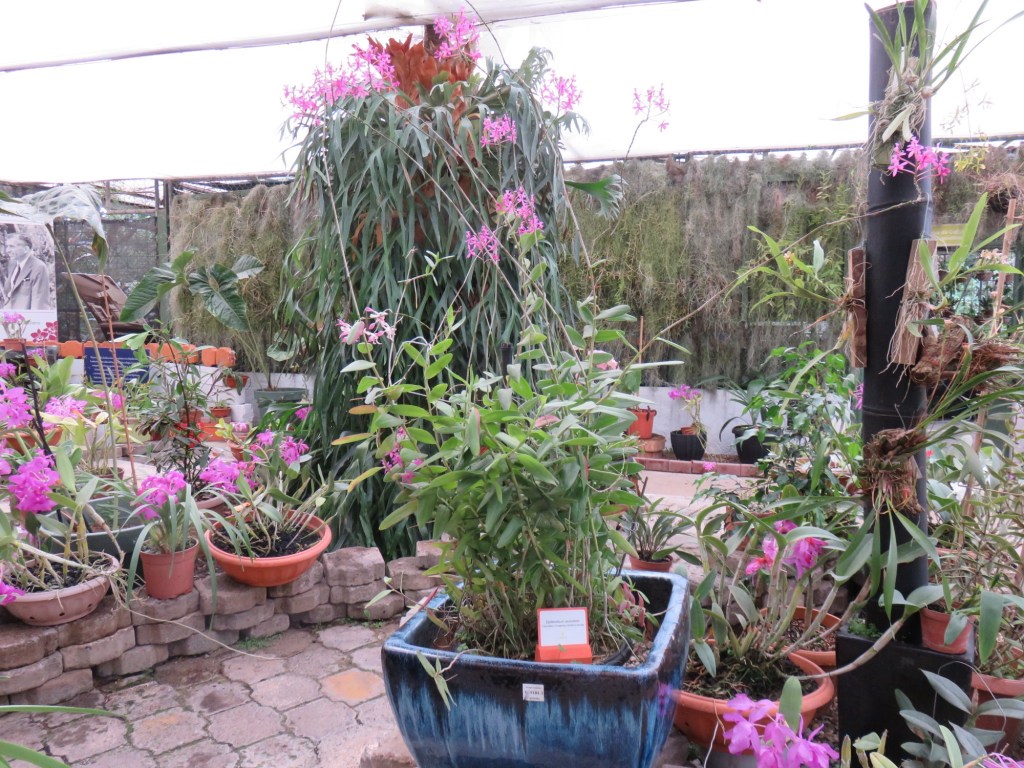
We had arranged to stop at Lankester Gardens in Cartago during the drive and we got there a little after 2pm. It’s a large and beautiful garden associated with the University of Costa Rica. Stephanie and I walked through the gardens for about an hour while Rolando waited in the car for us.
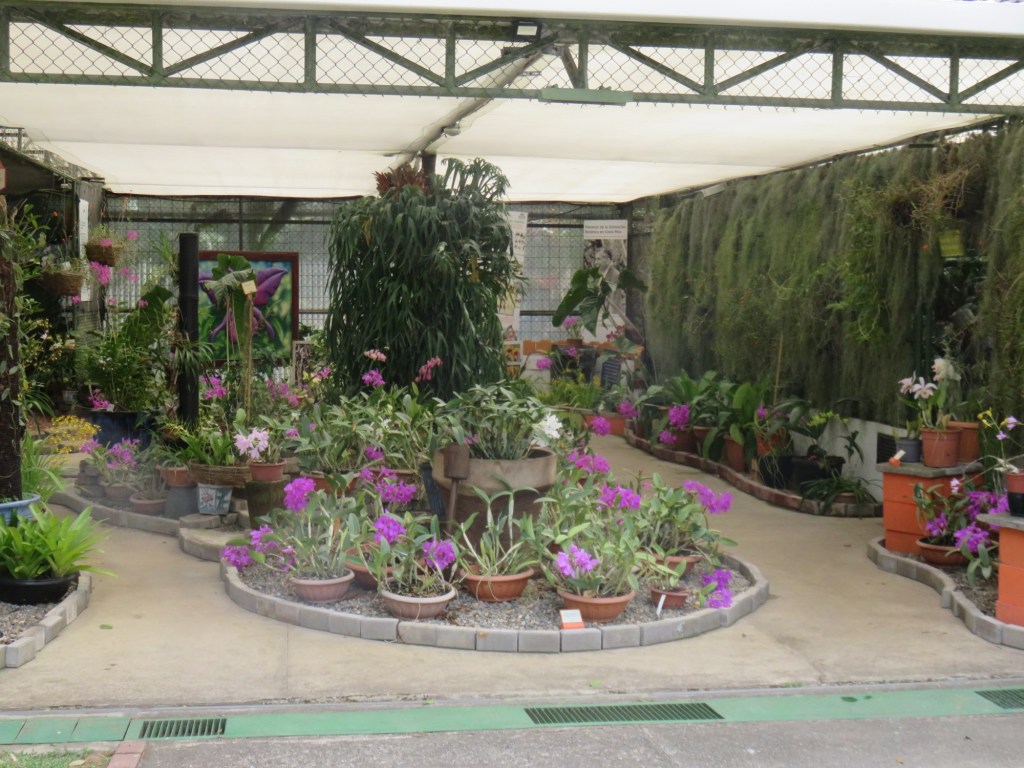
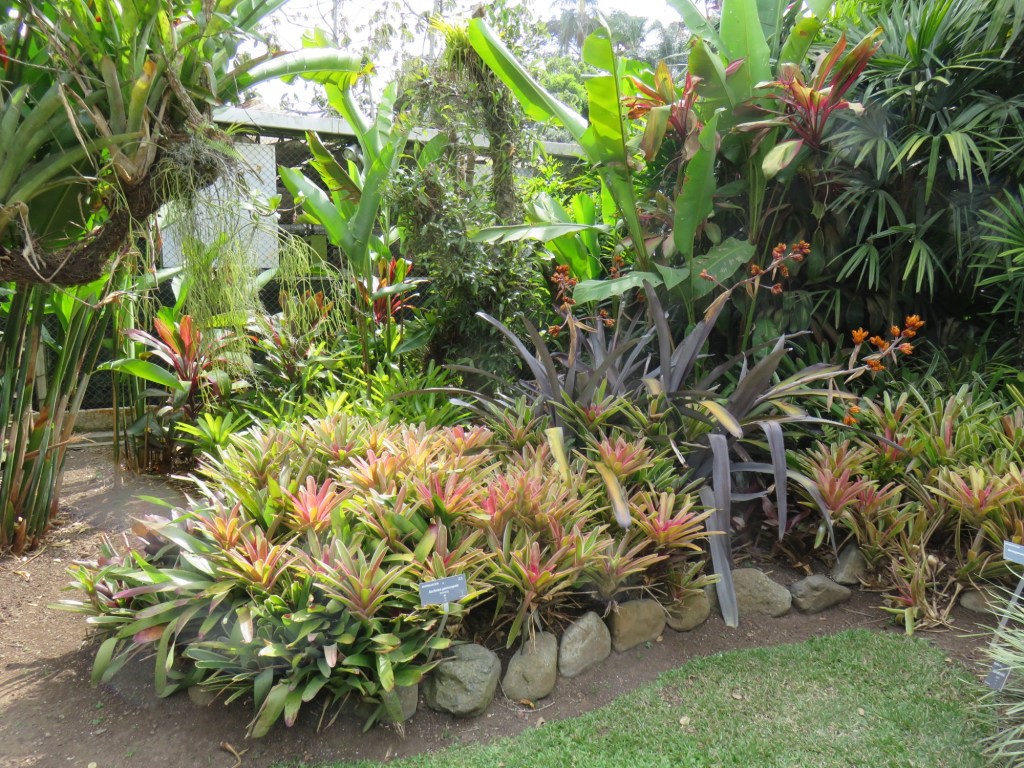
Then we headed across San José through rush hour traffic on this Friday afternoon. Traffic was horrible, just crawling along. It took us about 2.5 hours to cross the big city from Cartago to Alajuela, where our hotel was. Around 6pm, we stopped at a soda near the hotel that Rolando knew of, and happily ate casados consisting of chicken or fish, rice, beans, picadillo made from chopped potatoes and vegetables, tamarindo juice and rice pudding at the end. Then Rolando dropped us off at Hotel de la Rosa, where we had spent the first night in Costa Rica.

Our flight returning to the US was scheduled for about 1am Saturday, and we had reserved the hotel room so we could freshen up before going to the airport. So we showered, changed to clean and comfortable travel clothes, then took a short nap in preparation for the long travel day ahead. At 10pm a taxi came to pick us up to go to San José airport. Our flights to LAX and SeaTac were on time and not full. We both enjoyed empty seats beside us, which made it a little easier to sleep en route. Arriving in Seattle around noon, we were very happy to be home after a great vacation.
On the Caribbean Coast

Yesterday, Tuesday, we checked out of Yatama Eco Lodge and we moved on to Pacuare Reserve, on the coast of the Caribbean Sea. Before light, we had been woken by howler monkeys again, but very close this time. When it got light, both Stephanie and I went out to watch them. It was a group of about a dozen. After a light breakfast at 7:15, we were driven down the horrible rocky road from Yatama in the 4×4 by one of Pedro’s employees, Luis. He was very good at navigating between boulders and ditches, returning us to the Palmitour restaurant where we had eaten lunch on Sunday. Our new driver, Juan Carlos from Costa Rica Drivers was waiting there for us. We loaded up our luggage into his tourist van and set off to Pacuare. About 10am we arrived at the Goshen dock on the Pacuare River, where we would be transported by boat to the reserve.

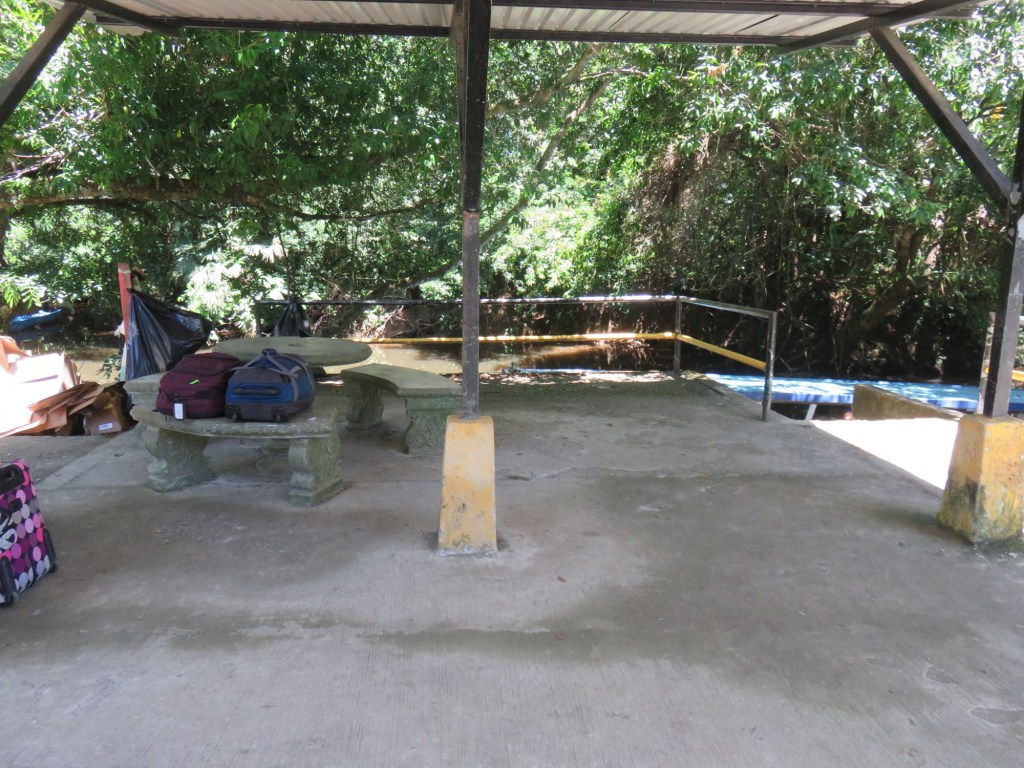
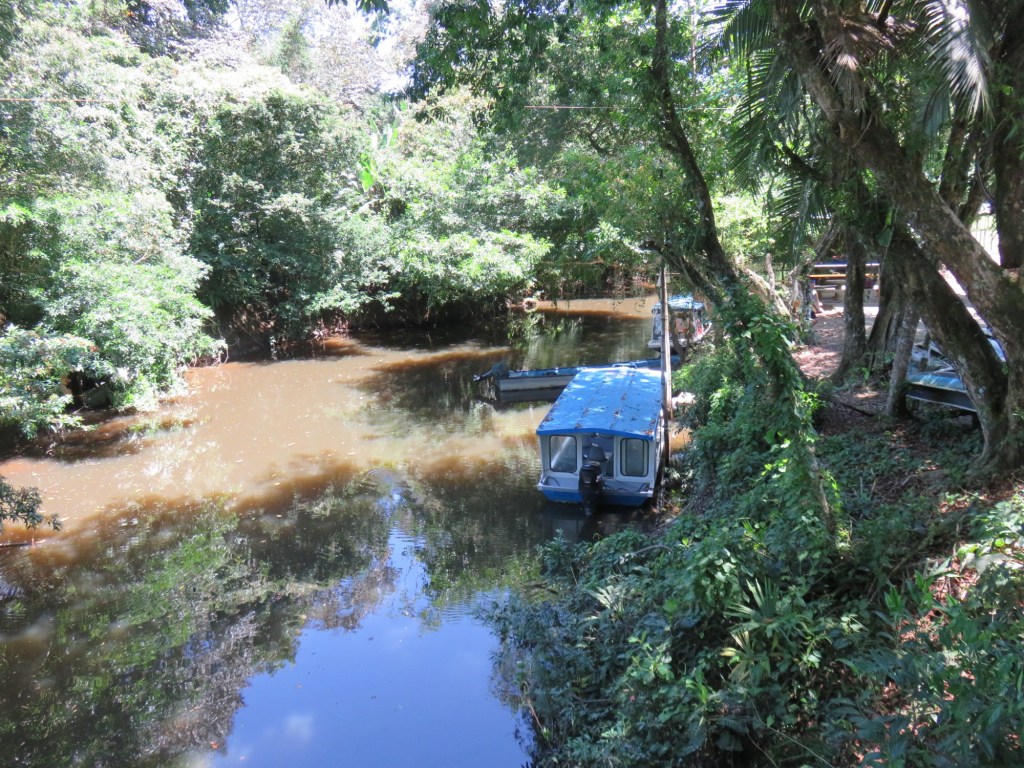
Juan Carlos waited with us at the dock, where there were lots of huge mosquitoes. We had to keep walking around and swatting them, even with bug repellent on, to avoid getting bitten. And it was hot and humid. At 11am, the launch from Pacuare came to pick us up. Eder, an employee at Pacuare, and Michael the boat driver, took us on a speedy 15-minute ride down the river and into the canal that parallels the Caribbean coast.

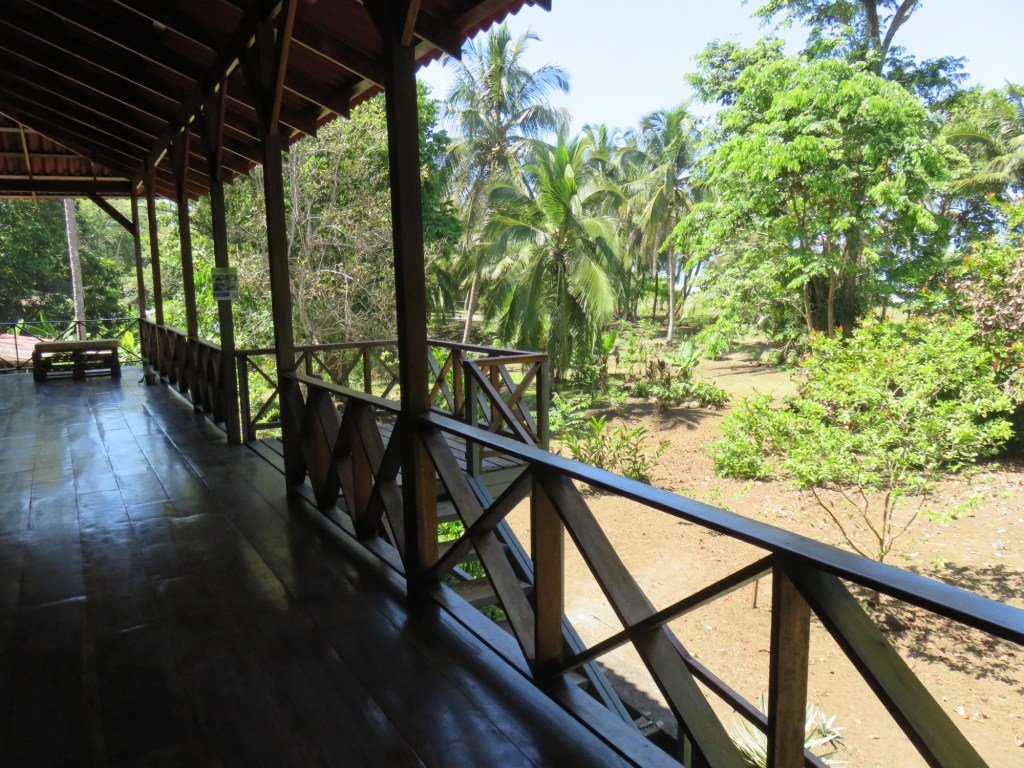
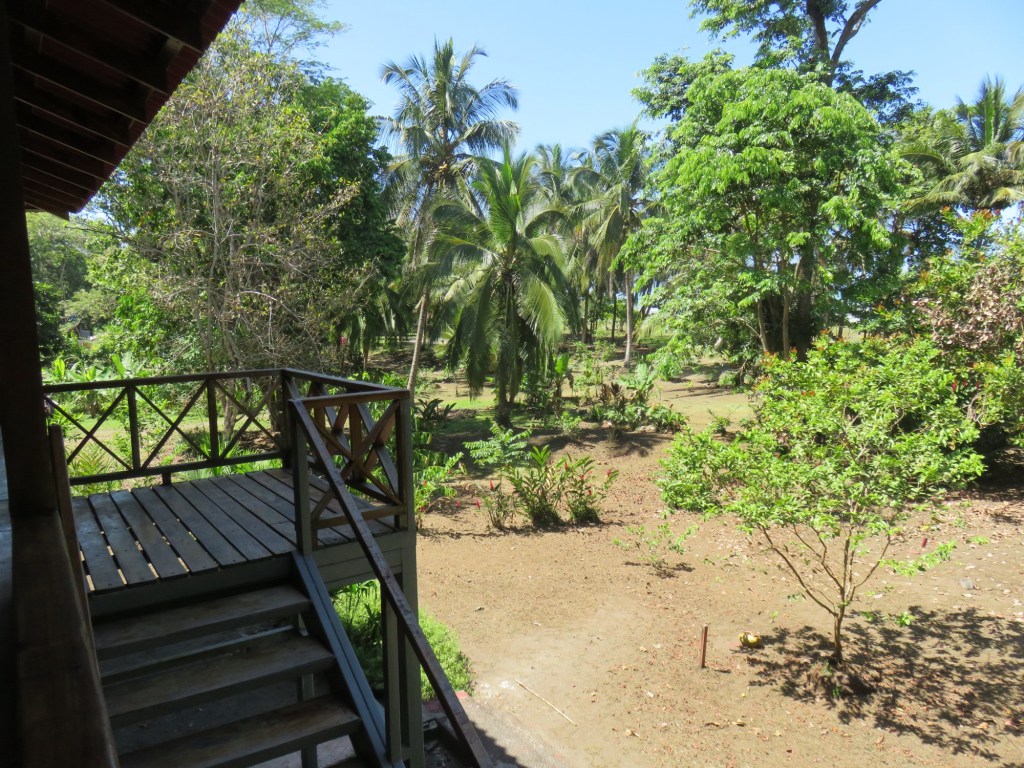
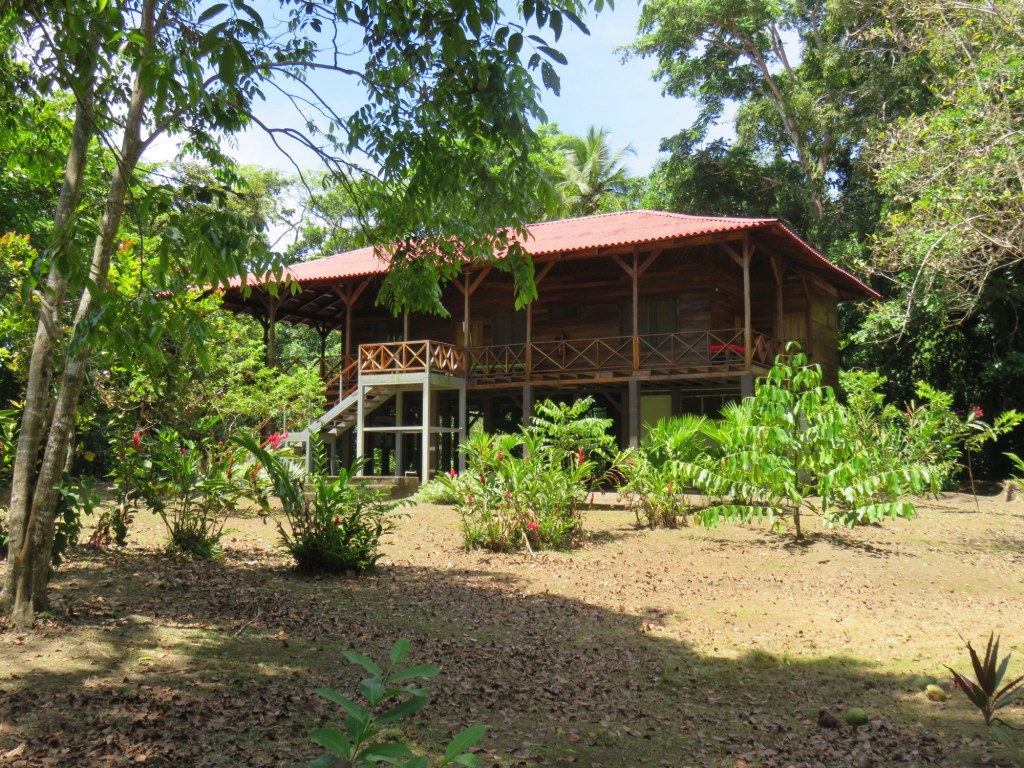
We arrived at the reserve and got out on the sandy bank of the canal. Eder took our bags to the Casa Grande where there are 4 guest rooms on the second floor, looking out at the beach through the trees. And it was hot and humid. (I bet I mentioned that already, huh?)

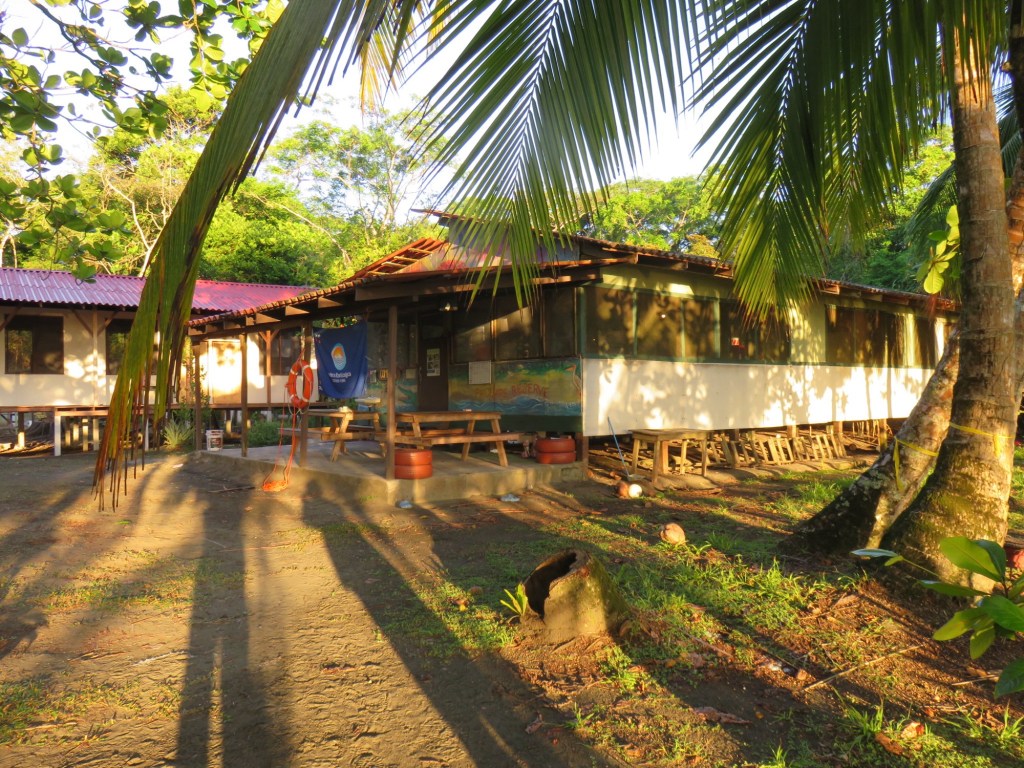
Eder showed us around a little and explained some basics about the grounds. It’s totally solar powered, therefore electricity is very limited, and wifi is only available around the dining building, “el comedor” in Spanish, but not in our room. We also can’t charge anything in our room. We have to use a communal device charging area near the office. There are scientists studying the leatherback turtle and other animals here, plus scientific assistants who are young men and women, plus groups of high school students passing through, plus a few employees. We ate lunch with all of them at 12pm, cafeteria style. Everyone had to bus and wash their own dishes afterwards.

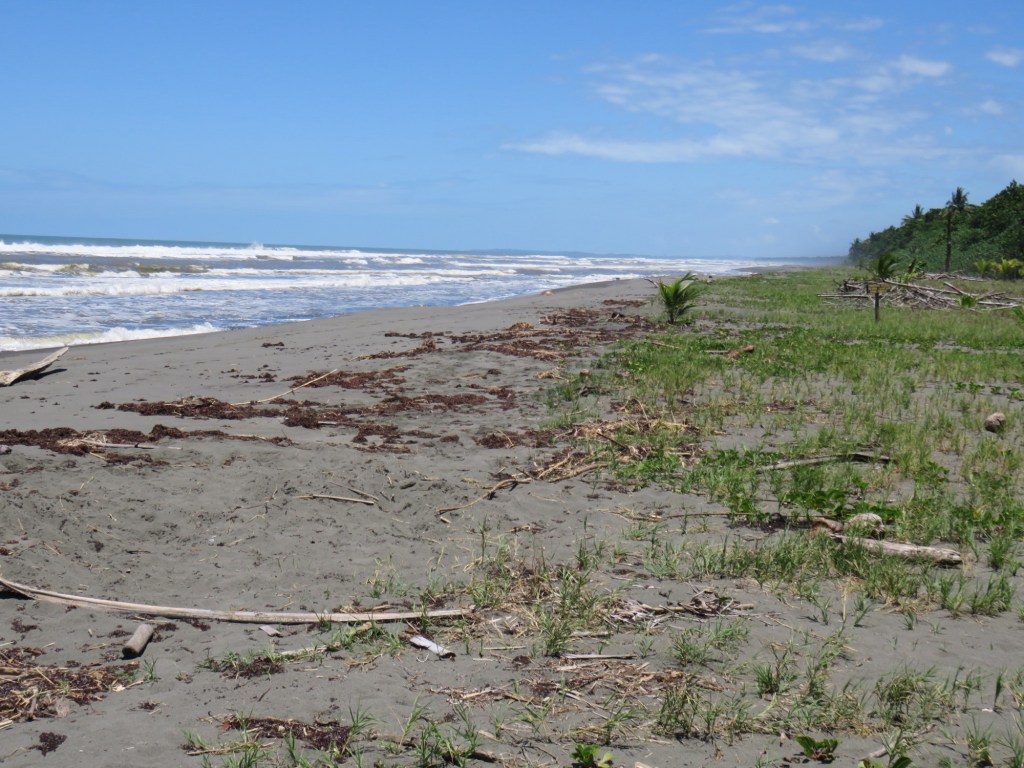
The beach in front of the reserve

We got an orientation and history briefing from Angel, an English speaking Costa Rican staff member, and then another briefing on the leatherback nest moving work that the scientific assistants are doing each night by Mollie, an American assistant working here for a few months from Montana.

Because this is one of the few nesting sites for endangered leatherbacks, they try to move all the eggs from the nests as soon as they’re laid each night to protect them from predators and poachers. The eggs are moved to a hatchery on the beach, where they are reburied in the sand in a marked, gridded, covered and guarded area. Mollie showed us the hatchery and explained the process.

We ate dinner with everyone at 6pm, with the same cafeteria style service and washing our dishes afterwards. There aren’t any overhead lights outside on the grounds because the turtles are sensitive to light. We used our flashlight and headlamp to find our way back to the room. Even after dark, it’s hot and humid…probably more humid than during the day. There isn’t much of a breeze from the Caribbean.

We took showers after dinner to remove sweat, bug repellent and sunscreen. The water isn’t heated here, but warms up to tepid in the black plastic cisterns outside the Casa Grande. I thought the cool shower felt great.

At 9pm, which felt so late to us, we met Angel and a Spanish-speaking scientific assistant woman who would take us for a walk along the beach to look for nesting leatherbacks. It was a hot and humid walk, following in the tracks of the assistant while she scanned the dark beach, lit only by the moon and her red light, looking for turtles. We could barely see anything except the moon and the very bright, beautiful stars. Then, after walking 1.4 kilometers, she spotted a turtle just digging her nest in the dry sand at the top of the beach. The turtle was huge: about 4.5 feet long and nearly 3 feet wide. Her back reflected the moonlight a little.

When the turtle finally had dug deep enough, she started laying her eggs. The assistant was there to catch them in a plastic bag, about 85 of them. Angel recorded measurement data from the assistant as the turtle covered up the now-empty nest. Then she returned to the sea. The whole process took about 90 minutes and Stephanie and I watched all of it, an amazing process. Then we walked back to our room with Angel, while the assistant took the eggs to the hatchery area. We showered again, because we had sweated through our clothes, then went to bed about midnight.

Lazy Day

Today, Monday, was a day with no scheduled walks, no plans. In the sunny morning before breakfast, we walked up the rocky dirt road into Braulio Carillo National Park to see what was there. Eight Great Green Macaws flew overhead during the walk and we learned later from Jeremy that there are only eight of the endangered birds in this area, so we saw the whole population at once. We also saw an open space in the park’s forest where almond trees had been planted for the birds, their favorite species of tree.

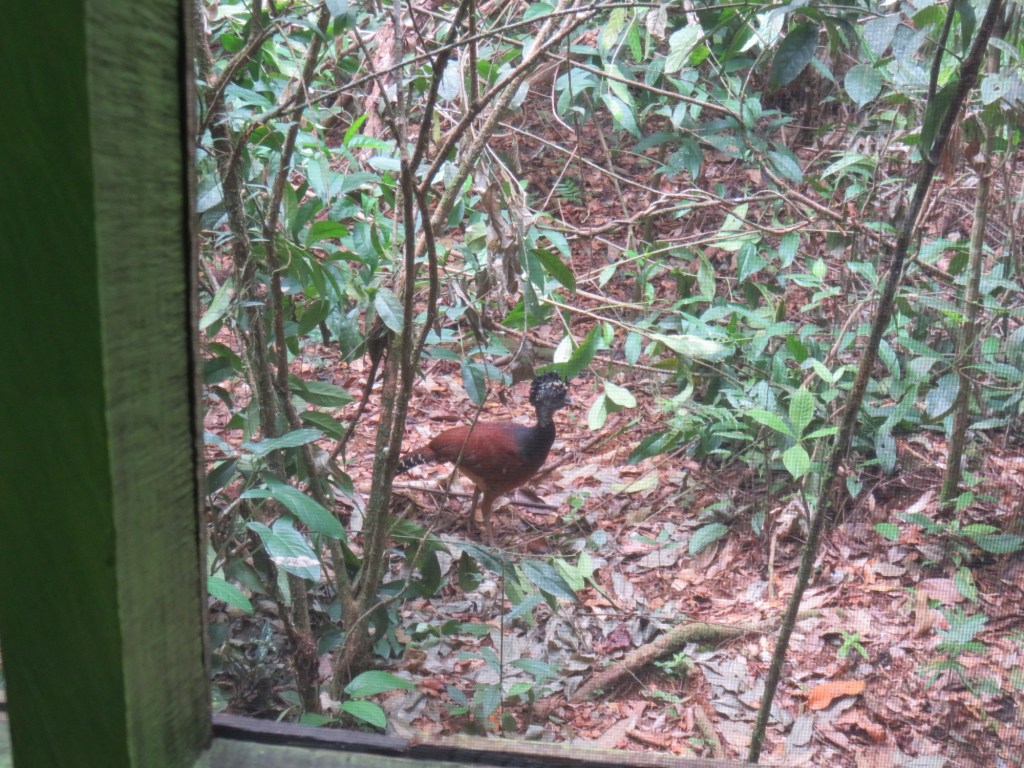
We returned to the dining area for a great breakfast of scrambled eggs with spinach and peppers, sausage, croissant, carmelized plantain slices, yogurt and juice . While we were eating, a pair of Great Curassows walked within view, which was a treat because we had been hearing the male but hadn’t seen them yet.

Female Great Curassow. The male is all black without a crest.

We sat in the wifi area to read email and news, then returned to our cabins to rest and enjoy the sounds of the forest. I saw three howler monkeys high in the trees outside my cabin plus a White Collared Manakin bird snapping its wings to court females. And there was the frequent sounds of droning cicadas.

Several more guests are coming this afternoon. The dinner tables are already set, at 2pm, for fourteen people. Stephanie and I will eat dinner here tonight and then repack, preparing to leave tomorrow morning for our next location.

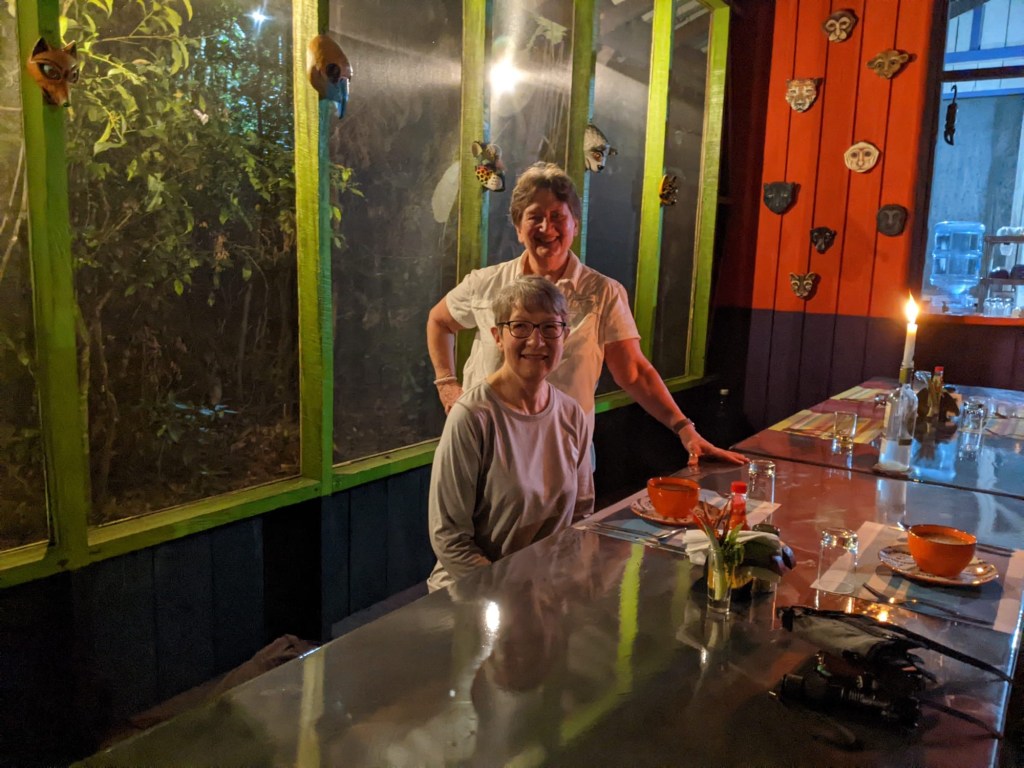
A photo of Stephanie and I in the dining room before Sunday night‘s dinner.

First Full Day at Yatama

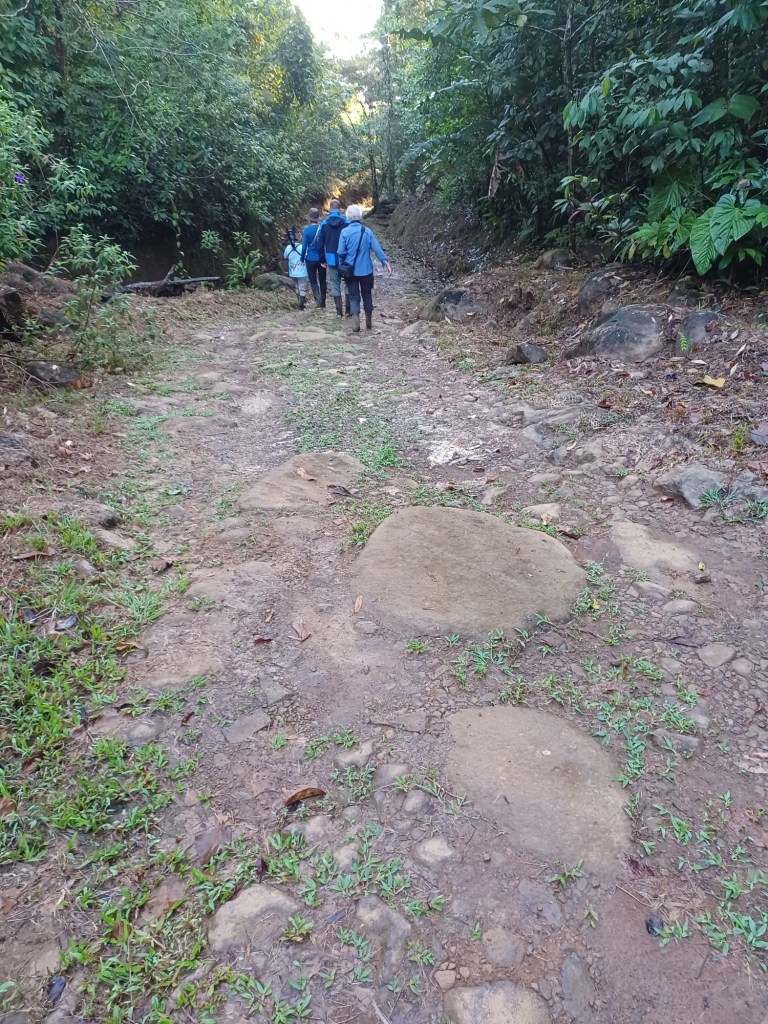
I slept pretty well under the bed net in the rainforest last night. As usual, I awoke early to prepare to look for birds. We had requested to go on a 6am bird walk this morning, so I prepared for that: bug spray, sunscreen and boots for the muddy road. Jeremy, the guide, led Stephanie and I and three others down the very rocky road we had come up yesterday after the car was unstuck. We saw a few new birds.

The bird walk group going down the very rough road Pedro brought us on yesterday.

After 90 minutes we returned and ate breakfast in the dining room. The other guests eating with us included three Germans, a man from the Netherlands and his Canadian girlfriend.

Then at 9:30, we joined Jeremy again for a 3-hour nature walk on a trail on the grounds. It was a lot of steep trails, with Jeremy always leading and looking for snakes. There are venomous snakes here, including the aggressive and deadly fer-de-lance (terciopelo in Spanish), so we were happy to let him go first. But we didn’t see any snakes. Mostly frogs, birds, and trees that Jeremy explained for us.

Stephanie and I were the only ones at lunch, which is an extra charge outside of included meals. Then we took advantage of the wifi being available and few people around to do some internet stuff, including this blog. We have nothing else planned for the day except dinner and, hopefully, another restful night in our cabins.

Our Trip to Yatama Eco Lodge

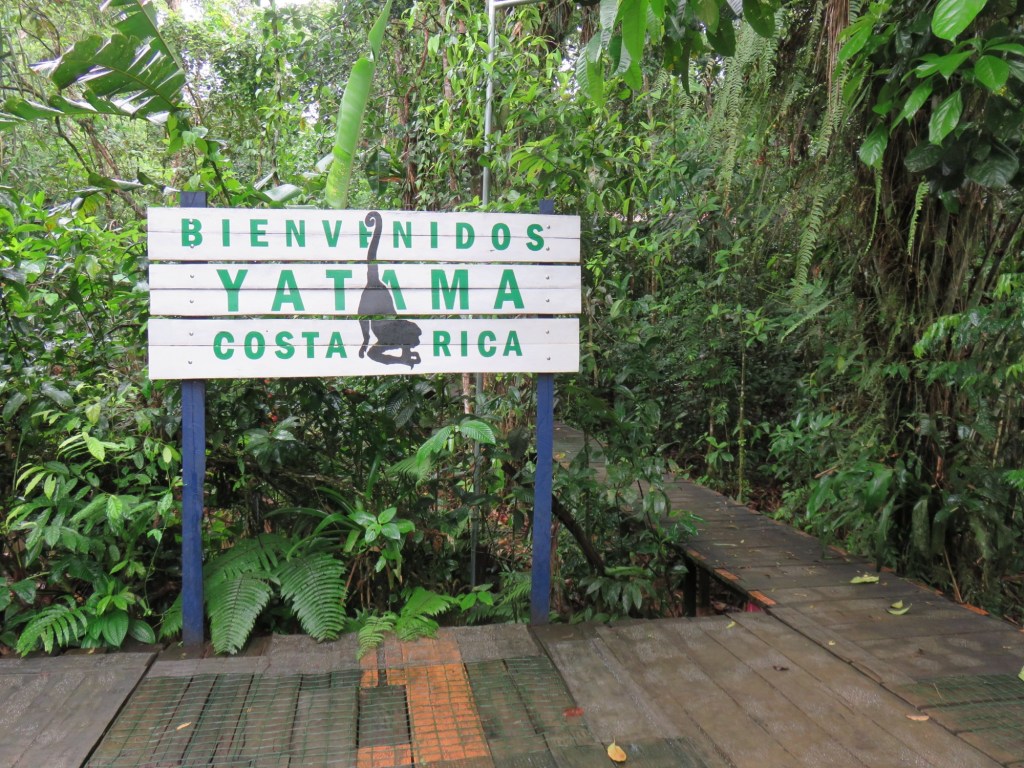
We started our Saturday in a leisurely fashion, although we still got up around 5am. We took showers and packed our bags because it was time to move to our next location: Yatama Eco Lodge. We enjoyed our last breakfast at Chilamate and another walk around the grounds. We checked out around 10:30am and a Chilamate staff member loaded our suitcases into a wheelbarrow for the departure through the horse pasture and across the wooden planked bridge to the parking/pickup area. Pedro, the owner of Yatama Eco Lodge was due to pick us up at 11.

He came in an old Isuzu 4×4 and we loaded our bags and departed for the first part of the trip. We drove for about 25 to a restaurant named Palmitour, which specializes in dishes made from hearts of palm. There, we met Stephanie’s Spanish teacher, Carlos, and his girlfriend Alejandra. We enjoyed a 2-hour lunch and conversation, mostly in Spanish, with them. Then we rejoined Pedro in his 4×4 for the remaining 40-minute trip to Yatama.

The narrow, private dirt road from the town of Horquetas was very rough, steep and slick from rain. We picked up a German couple along the way, who were going to Yatama too, because they were reluctant to drive their rental 4×4 up the road. It was so rough, rocky and slick, the car had a hard time. And then we got stuck, jammed on the edge against a grassy bank. Pedro tried to get the truck out for 15 minutes, but he wasn’t successful. And he didn’t have a phone to call for help. He sent the German couple to walk the remaining kilometer up the road to ask for help. Then I remembered I had my burner phone and a Costa Rican SIM card that could call. Pedro used that to call someone for help. One of his employees drove another 4×4 down from the lodge and pulled the Isuzu out. Yay, we could finish the trip!

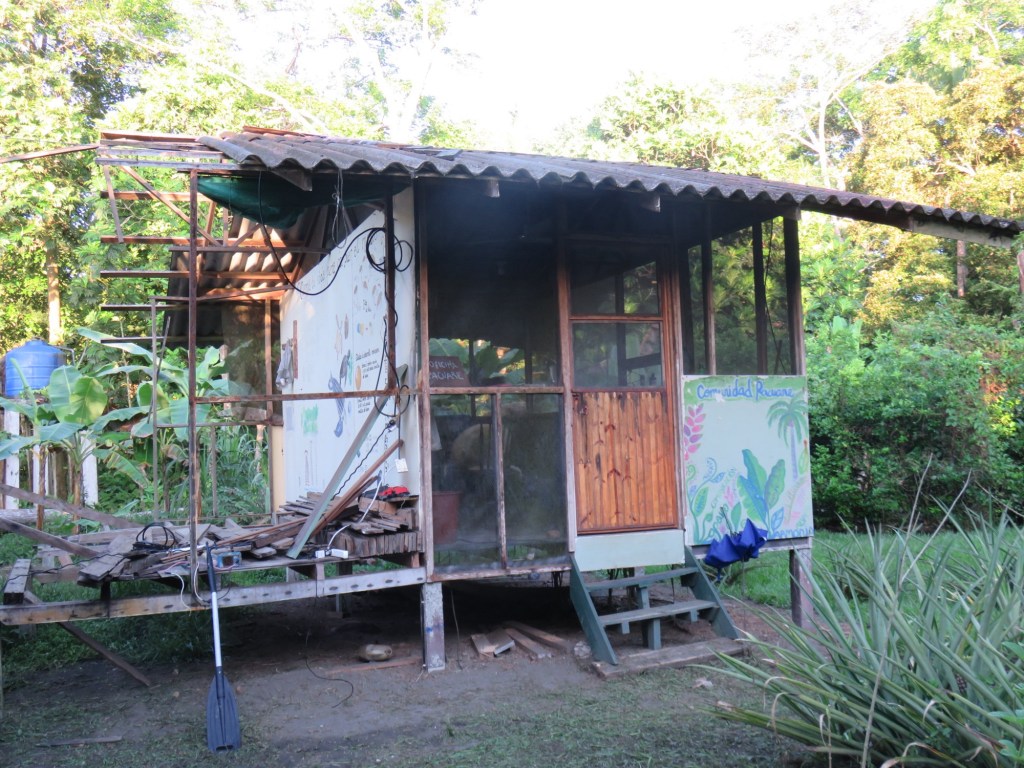
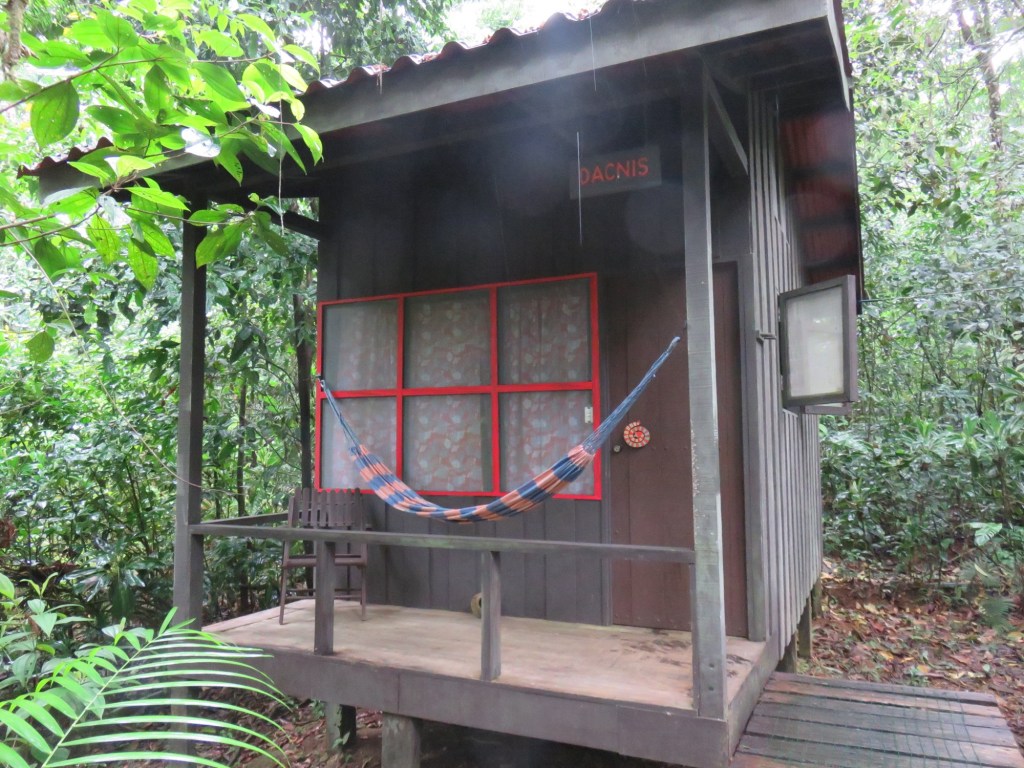
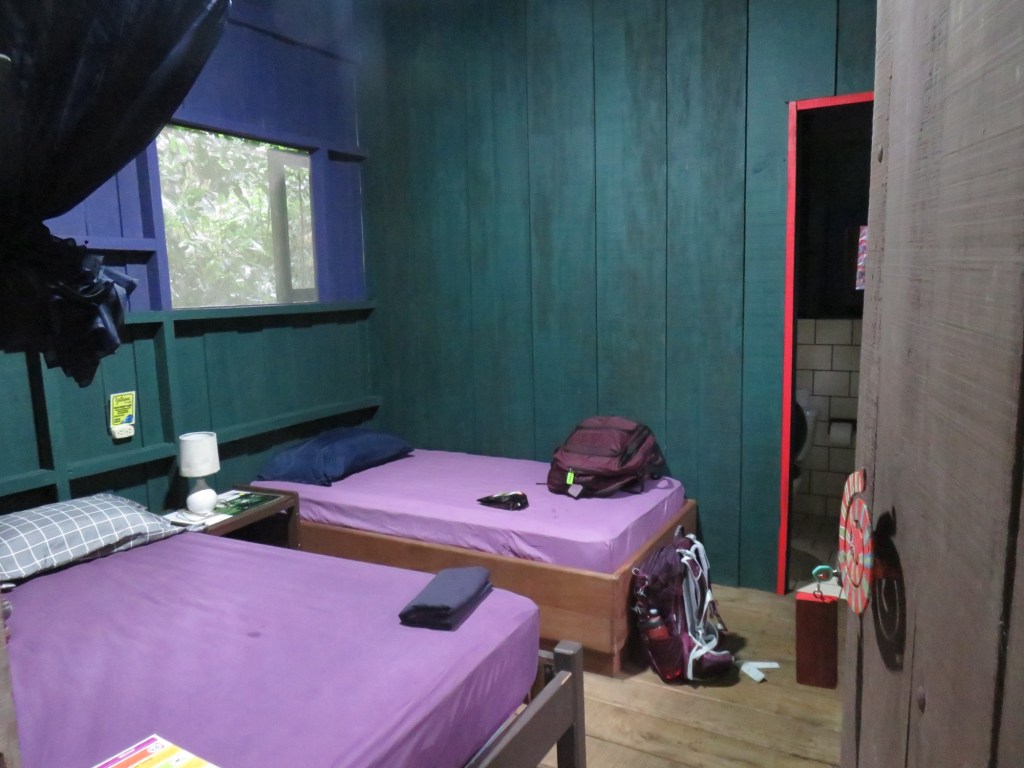
Stephanie and I are in separate cabins in the rainforest. There are bed nets, wooden walkways between cabins, and a dining room that’s separate. Internet is very limited, so there may not be photos in my blog entries for a few days.

We had a good dinner of fish, then went on a night walk with Pedro and another guide and the German couple, where we saw a tarantula, eyelash viper and one other snake, and more bullet ants. I stepped on a leaf-cutter ant trail and had many ants crawling on me, but they didn’t bite, thankfully.

Afterwards, we went to sleep in our cabins in the very dark but noisy jungle.